 English EN
 中国 CN
中国 CN
.png)
Overcoming Challenges in Large Package: Rayman Tech's AI X-ray Solutions for Meat Processing
Our AI X-ray Inspection System, tailored for high ...
More

Selecting a pipeline x-ray system requires careful consideration of factors like image quality, inspection speed, cost, and data management. Recent industry surveys show that automotive, aerospace, and manufacturing companies often rely on these systems for non-destructive testing to maintain product safety and meet strict regulatory standards.
A pipeline x-ray system plays a vital role in defect detection within industrial pipelines. Radiography offers speed and precision, making it more accessible than other inspection methods. The latest systems use dual energy photon-counting detectors and advanced image analysis software. These technologies capture detailed product information and improve image resolution. As a result, detection accuracy increases and false reject rates decrease. High-resolution data ensures precise identification of defects, which minimizes false positives and helps prevent overlooked issues.
Radiography delivers fast and precise inspections.
Accessibility makes it a preferred choice for many industries.
Advanced detectors and software enhance accuracy.
Dual energy detectors provide detailed imaging.
Image analysis software boosts resolution.
Improved technology reduces false rejects.
Industrial operations benefit from pipeline x-ray systems that support real-time imaging and rapid defect detection. X-ray crawlers and real-time radiography during pipeline construction increase production rates. Immediate imaging of pipeline welds allows quick identification of defects, which minimizes rework and reduces operational downtime. Enhanced quality control through these technologies ensures smoother workflows and less interruption.
Tip: Choosing a system with real-time imaging capabilities can significantly reduce downtime and improve overall productivity.
| Compliance Aspect | Description |
|---|---|
| Regulatory Standards | Ensure compliance with all relevant regulatory standards and guidelines for the use of ionizing radiation in industrial radiography. This includes obtaining necessary licenses and permits. |
| Inspections and Audits | Conduct regular inspections and audits to verify compliance with safety protocols and regulatory requirements. Address any identified issues promptly to maintain a safe and compliant inspection environment. |
Operators must receive proper training and education. Licensing is required for both equipment ownership and operation. Companies must follow rules set by the U.S. Nuclear Regulatory Commission regarding equipment and radiation sources.

Industrial operators face a wide range of choices when selecting a pipeline x-ray system. The market features both established brands and innovative technologies. Companies must evaluate each system’s strengths to match their inspection requirements and operational environments.
The Eagle Pipeline X-Ray Inspection System stands out for its advanced detection capabilities and robust data management. Eagle’s proprietary TraceServer™ software centralizes production data, allowing operators to monitor multiple x-ray machines from a single interface. Dual energy inspection technology enhances the system’s ability to identify materials that single energy x-ray systems might miss. Superior contaminant detection ensures that even small or irregularly shaped foreign objects are found, regardless of their location within the product. Active product tracking further optimizes product flow and minimizes unnecessary product rejection.
| Feature | Description |
|---|---|
| TraceServer™ Software | Centralized data management that consolidates production data from multiple x-ray machines. |
| Dual Energy Inspection | Enhances detection capabilities by identifying materials not visible with single energy x-ray. |
| Superior Contaminant Detection | Outstanding detection of physical contaminants, regardless of size, shape, or location within a product. |
| Active Product Tracking | Promotes systematic product flow and optimal detection of contaminants while minimizing product rejection. |
Note: Eagle’s system supports both large-scale industrial operations and facilities that require high accuracy in contaminant detection.
Mettler-Toledo offers specialized pipeline x-ray system models tailored to different pipeline materials and product types. The X38 model targets liquids, pastes, and slurries, providing reliable removal of dense physical contaminants. The X36 model focuses on bulk or packaged products, detecting dense contaminants and verifying the presence of components. These systems help manufacturers maintain product integrity and comply with safety standards.
| Pipeline System | Application | Description |
|---|---|---|
| X38 | Liquids, pastes, slurries | Designed for removing dense physical contaminants |
| X36 | Bulk or packaged products | Removes dense physical contaminants and checks for broken or missing components |
Mettler-Toledo’s solutions address the needs of food, pharmaceutical, and chemical industries. Their systems support both high-volume production lines and specialized inspection tasks.
Digital radiography (DR) and computed tomography (CT) represent the latest advancements in pipeline inspection. These technologies deliver high-resolution, noise-free images and enable real-time analysis. Operators benefit from instantaneous processing times and advanced digital data management. DR and CT systems improve defect detection accuracy and reduce false positives, surpassing traditional x-ray film methods.
| Feature | Digital Radiography / CT | Traditional X-ray Systems |
|---|---|---|
| Image Quality | High-resolution, noise-free | Lower resolution, film quality |
| Processing Time | Instantaneous | Slower, requires film development |
| Defect Detection Accuracy | Enhanced with digital tools | Limited by film quality |
| Real-time Analysis | Yes | No |
| Data Management | Advanced digital capabilities | Manual, less efficient |
Digital CR provides high-contrast images with a greater dynamic range.
Advanced image processing tools improve flaw detection and reduce false positives.
Real-time analysis reduces downtime and allows for remote assessments.
Industry trends continue to shape the selection of pipeline x-ray system technologies. Large industrial systems remain popular in heavy industries due to safety regulations and infrastructure growth. Portable x-ray systems are gaining traction for their flexibility and suitability for on-site inspections, especially in remote or smaller facilities. The demand for faster, cost-effective solutions drives innovation in battery life and imaging quality.
Industry trends drive demand for innovative pipeline x-ray systems that enhance efficiency and safety.
The market features two main types of systems: Large Industrial and Portable X-Ray systems, each catering to different needs.
Large Industrial systems are favored in heavy industries for large-scale inspections, driven by safety regulations and infrastructure development.
Portable systems are growing rapidly due to their flexibility for on-site inspections, appealing to smaller facilities and remote locations.
The demand for quicker, cost-effective solutions in portable technologies is fostering innovation in battery life and imaging quality.
Manufacturers continue to invest in new technologies. Over the next five years, the industry expects to see the integration of artificial intelligence, IoT, and robotics. Companies are developing rugged, high-resolution systems for challenging environments. Strategic partnerships and regional expansion, especially in Asia-Pacific and the Middle East, will drive further growth. Compliance with evolving safety and environmental regulations remains a top priority.
| Advancements/Strategies | Description |
|---|---|
| Integration of AI, IoT, and Robotics | Continuous innovation is necessary for enhancing pipeline inspection capabilities. |
| Development of Rugged, High-Resolution Systems | Focus on creating systems that can operate in diverse and challenging environments. |
| Strategic Partnerships | Collaborations with pipeline operators and technology providers are essential for growth. |
| Regional Expansion | Targeting high-growth markets like Asia-Pacific and the Middle East for increased market share. |
| Compliance Focus | Adhering to evolving safety and environmental regulations to build credibility. |
Tip: Leading brands in the global market include GE Inspection Technologies, Philips Healthcare, and Shimadzu Corporation. These companies offer high-resolution imaging, portable solutions, and versatile systems for a wide range of pipeline materials.
Image quality remains a top priority when selecting a pipeline x-ray system. High-resolution imaging enables operators to detect small defects and subtle inconsistencies. Advanced systems use digital radiography and computed tomography to deliver clear, noise-free images. These features support accurate inspections and reduce the risk of overlooking critical issues.
Inspection speed directly impacts operational efficiency. Modern systems offer real-time imaging and rapid data processing, which help maintain high throughput on production lines. Fast inspections minimize downtime and support continuous operations, especially in high-volume environments.
Cost considerations extend beyond the initial purchase price. Companies should evaluate maintenance expenses, training costs, and potential productivity gains. A pipeline x-ray system that reduces false rejects and improves defect detection can deliver a strong return on investment over time.
Operators must receive specialized training to use advanced x-ray systems safely and effectively. Typical training includes:
Certification in nondestructive radiation testing
Instruction on using x-ray technology for various inspections
Practical experience with metal welding, pipeline systems, and industrial components
Proper training ensures safe operation and maximizes system performance.
Modern pipeline x-ray systems feature advanced data management tools. Robotic crawlers equipped with sensors and cameras capture real-time images, even in challenging environments. These systems provide accurate data for detecting corrosion or blockages and support effective reporting, which is essential for maintaining pipeline safety.
| Criteria | Description |
|---|---|
| Application Needs | Depends on inspection location and product size |
| Product Characteristics | Varies by product type (bulk, packaged, etc.) |
| Detection Capabilities | Detects metals, bones, ceramics, glass, and dense plastics |
| Product Integrity Check | Ensures product completeness and defect-free status |

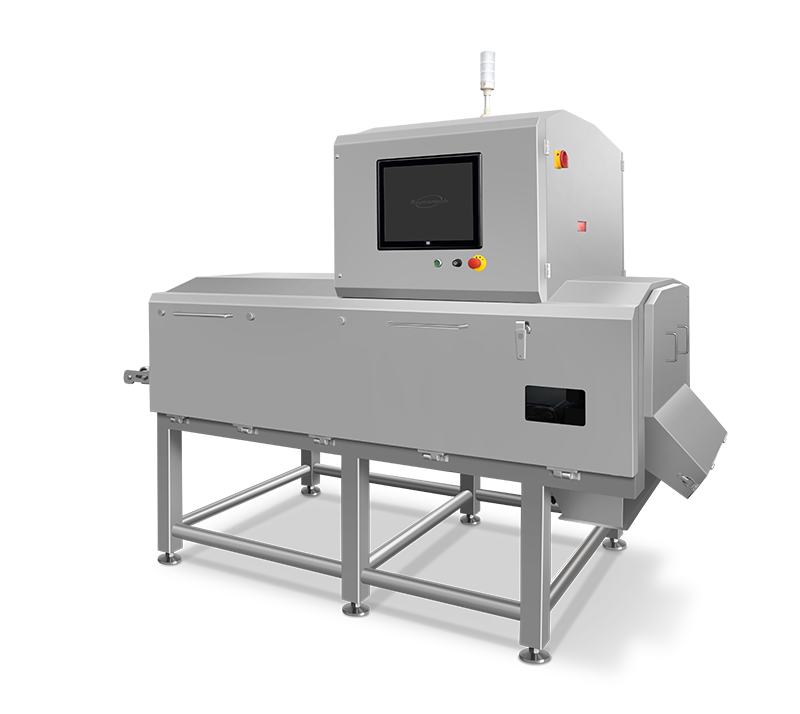
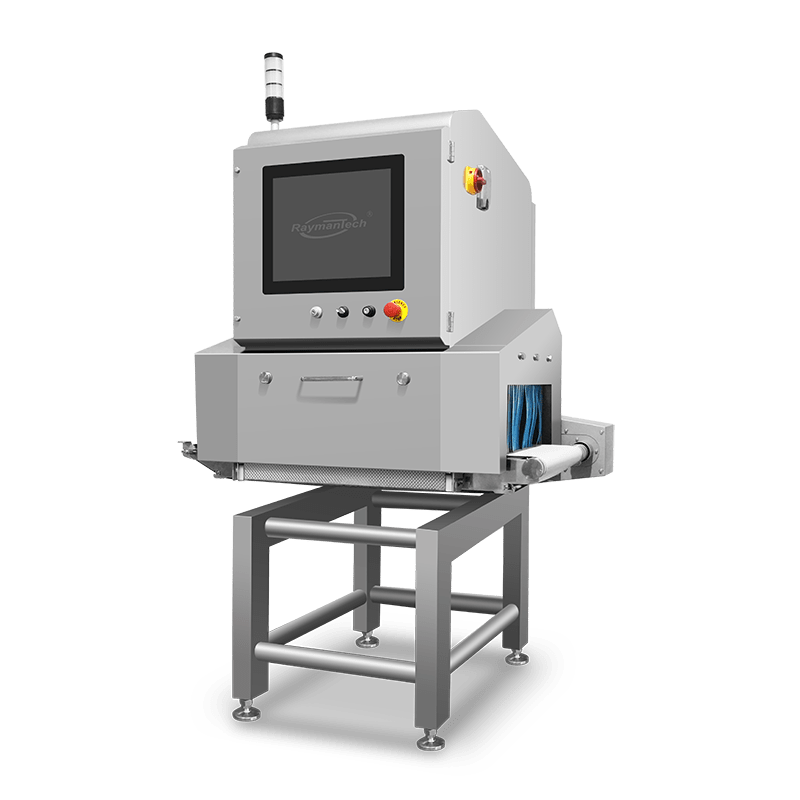
Industrial facilities that process large quantities of products require systems designed for speed and accuracy. The X5 4-inch Pipeline X-ray system meets these demands in the food industry. Operators benefit from high throughput and reliable detection of bone, metals, glass, and stone. The icon-driven touchscreen interface simplifies control, while real-time data collection supports regulatory compliance. Maintenance becomes straightforward with an easy-to-remove cassette. The IP69 environmental rating ensures durability during frequent wash-downs.
| Feature | Description |
|---|---|
| Product Type | X5 4-inch Pipeline X-ray system |
| Detection Capabilities | Bone, metals, glass, stone |
| Throughput | High for larger products |
| User Interface | Full-color touchscreen |
| Compliance | Real-time data collection |
| Maintenance | Easy-to-remove cassette |
| Environmental Rating | IP69 for harsh wash-down environments |
Operators working in remote or challenging locations need robust solutions. Systems with high-resolution imaging provide clear views of pipeline interiors. Adaptable crawlers navigate various pipe sizes and configurations. Durable construction withstands harsh conditions, while remote control operation enhances safety and reduces manual intervention.
| Feature | Description |
|---|---|
| High-Resolution Imaging | Delivers detailed images for precise issue identification |
| Adaptability | Handles different pipe sizes and complex configurations |
| Durable Construction | Ensures reliable operation in harsh environments |
| Remote Control Operation | Improves safety and reduces manual intervention |
Tip: Rugged pipeline x-ray systems with remote capabilities increase inspection reliability in extreme environments.
Industries facing strict regulatory oversight must prioritize systems with advanced data management and compliance features. Real-time data collection and automated reporting help operators meet inspection standards. Systems that support traceability and documentation simplify audits and ensure adherence to safety protocols.
Facilities with limited budgets can still achieve effective inspection results. The Mettler Toledo X34 X-ray Inspection System offers automated product setup and intelligent software, reducing costs and minimizing human error. The Safeline Pipeline Metal Detector detects all types of metal contaminants in liquid, paste, and slurry products, making it suitable for food production environments.
Mettler Toledo X34 X-ray Inspection System: Automated setup, reliable contamination detection, and quality checks.
Safeline Pipeline Metal Detector: Inspects pumped food products, detects all metal types, and suits various applications.
A pipeline x-ray system tailored to operational needs improves inspection outcomes and supports long-term efficiency.
Industrial buyers should start by evaluating their unique inspection requirements. Key factors include technology readiness, reliability, and the technical condition of pipelines. Companies must also consider compliance with industry standards and government regulations. The following table summarizes essential assessment points:
| Key Factor | Description |
|---|---|
| Technology Readiness | Assess if the inspection technology fits real-world applications. |
| Reliability | Ensure consistent detection and accurate data interpretation. |
| Integrity Assessment | Identify potential failure areas in pipelines. |
| Compliance with Standards | Confirm that inspection methods meet regulatory and safety requirements. |
| Government Regulations | Understand how regulations influence technology selection. |
Tip: Matching system capabilities to inspection needs helps prevent costly mistakes and ensures regulatory compliance.
A pipeline x-ray system must offer features that align with operational goals. Buyers should prioritize radiographic inspection capabilities, especially for welds and pipeline sections. Crawler-based systems improve access and repeatability in field inspections. Key components such as the X-ray tube, detector array, and control panel with software ensure sensitive and efficient inspections. The table below highlights important system features:
| Feature | Description |
|---|---|
| Primary Purpose | Radiographic inspection using crawler-based systems |
| Typical Inspection Targets | Welds and pipeline sections |
| Workflow Style | Field-focused pipeline inspection setup |
| Key Components | X-ray tube, detector array, control panel, automatic reject system |
Note: Many buyers overlook detector compatibility, which can lead to poor image quality even with a high-powered generator.
Long-term support from vendors plays a crucial role in system performance and reliability. Leading providers offer durable digital radiography systems for oil and gas, aerospace, and security applications. They supply technical expertise, operator training, and customized solutions for offshore and rail inspections. Comprehensive support includes licensing documentation, calibration traceability, and compliant dose reporting. Reliable archival systems ensure audit readiness and regulatory compliance.
Technical expertise and full-spectrum training for operators
Customized solutions for diverse industrial applications
Ongoing support for licensing, calibration, and data management
Selecting the right pipeline x-ray system ensures optimal inspection outcomes. The table below highlights how feature alignment improves results:
| Feature | Benefit |
|---|---|
| Advanced PXT photon-counting dual energy x-ray technology | Improves detection of bone and metal contaminants |
| Lower false reject rate | Enhances efficiency by reducing unnecessary product rejection |
| Flexible configurations | Customizes solutions for operational needs |
| Integrated flow meter | Adapts to variable speeds |
| Compliance with NAMI guidelines | Maintains hygiene and sanitation standards |
Decision-makers should use the checklist to compare options and consult vendors for demonstrations. Prioritizing long-term support and compliance delivers lasting value.
Operators must schedule regular calibration, software updates, and safety checks. Routine cleaning of detectors and inspection of cables ensures consistent performance.
Most advanced systems identify metals, glass, stone, and dense plastics. Some models also detect bone fragments and missing components in food or pharmaceutical products.
Companies provide certified training, enforce strict safety protocols, and use shielding. Radiation exposure monitoring and compliance with regulatory guidelines protect operators at all times.

We provide you with comprehensive foreign trade solutions to help enterprises achieve global development
Uneven and overlapped product detection, thin & lo...
Recommedation: Chili, walnut, peanuts, soybeans, c...
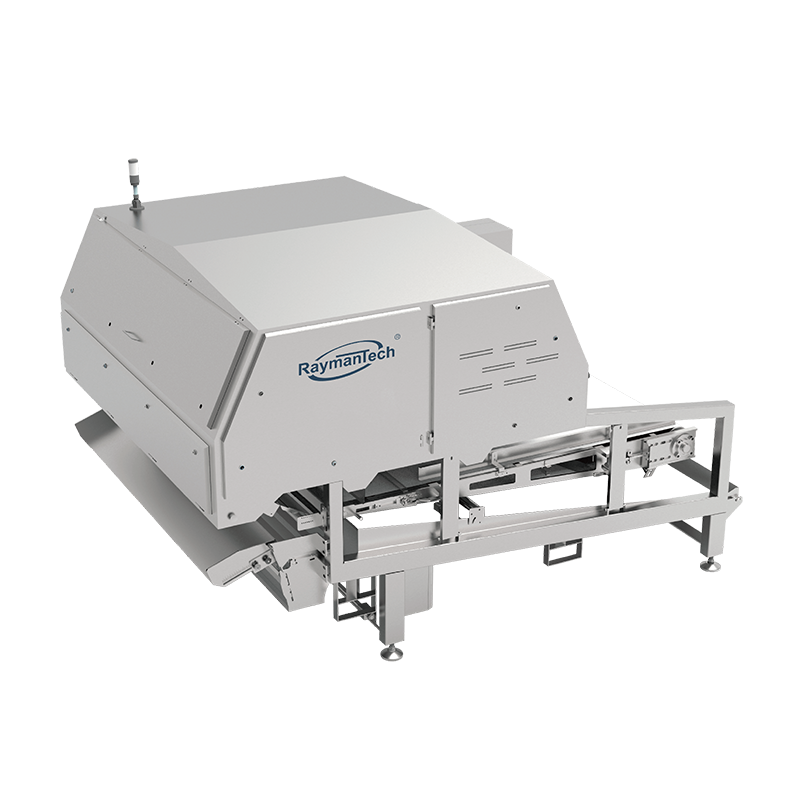
Recommedation: Frozen vegetables such as green be...
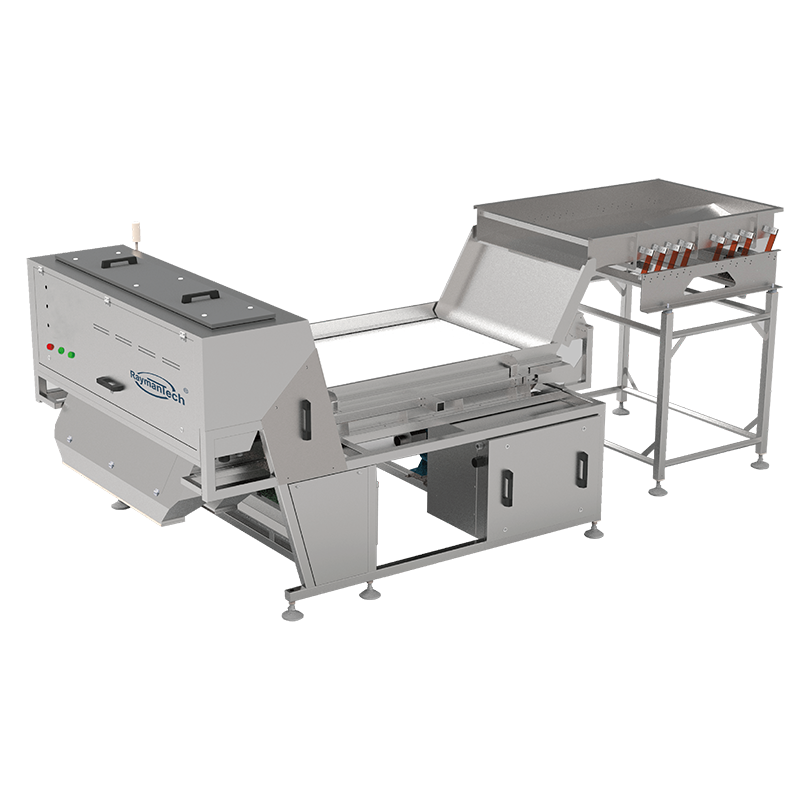
Recommedation: Chili, walnut, peanuts, soybeans, c...
Select the most popular foreign trade service products to meet your diverse needs
Select the most popular foreign trade service products to meet your diverse needs







User Comments
Service Experience Sharing from Real Customers
Michael Chen
Quality Control ManagerThis foreign material detector has revolutionized our production line. Its sensitivity is exceptional, catching contaminants our old system missed. The false positive rate is impressively low, saving us countless hours of downtime. A must-have for any serious food processor.
Sarah Johnson
Pharmaceutical TechnicianHighly reliable and easy to integrate into our packaging line. The detection accuracy for metal and dense non-metals in our blister packs is outstanding. The user interface is intuitive, and calibration is straightforward. Minor points off for the initial setup documentation, but support was excellent.
David Rodriguez
Plant SupervisorAs a plant supervisor in textiles, foreign objects like metal clips or plastic fragments in our raw cotton were a major headache. This detector installed over our conveyor belt has been a game-changer. It's robust, requires minimal maintenance, and has significantly reduced customer complaints. Outstanding investment.
Lisa Wang
Production EngineerPrecision engineering at its finest. We use this in our plastic recycling facility to detect and eject foreign metals from the shredded material stream. It protects our extruders from catastrophic damage. The durability in a harsh, dusty environment is remarkable. Performance has been flawless for over a year.