 English EN
 中国 CN
中国 CN
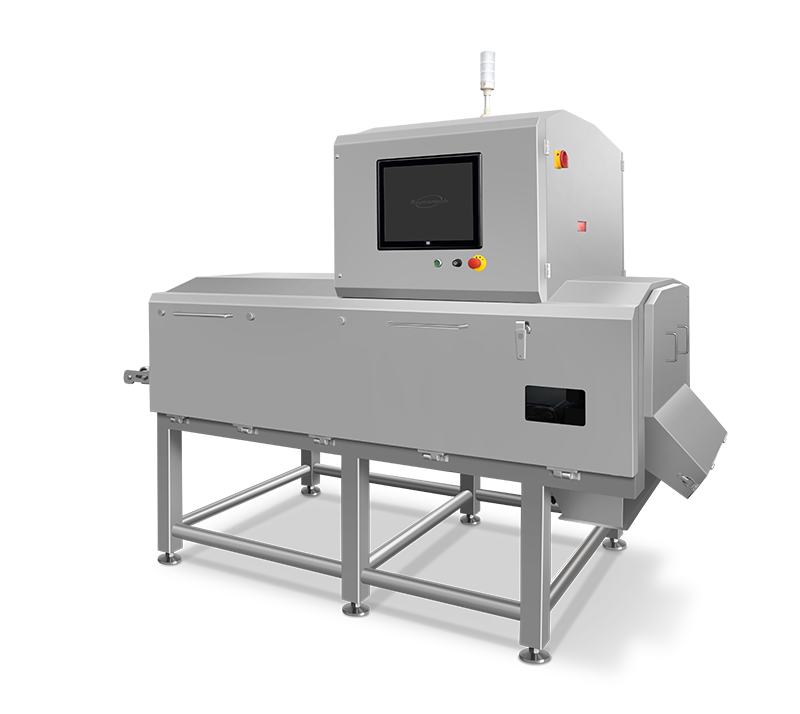
.png)
Meat Packaging Revolution: Mastering Detection Challenges with Next-Gen X-ray and Vision Systems
This article delves into the persistent pain point...
More

An excellent fish bone x ray machine is crucial for ensuring product safety and brand reputation. The market for this technology is expanding rapidly. Projections show the X-ray food inspection equipment market will grow from $1.84 billion in 2024 to $2.03 billion in 2025, a 10% increase. The top 5 models for 2025 are:
Eagle Pack 400 HC with PXT™
Marel SensorX Fish
Matrixcope MTC-78XPRO
Anritsu DualX-E
Ishida IX-G2 Series
Choosing the right inspection system requires a close look at what each model offers. The following reviews break down the features, strengths, and ideal applications for our top five picks for 2025.
The Eagle Pack 400 HC stands out as our top choice, primarily due to its integration of groundbreaking PXT™ (Photon-counting X-ray Technology). This advanced detector captures incredibly detailed data, producing high-resolution images that set a new industry standard. The system processes these images with SimulTask™ PRO software in just one-tenth of a second, enabling superior detection of bones and other contaminants.
This machine demonstrates its value in real-world seafood applications. For example, it effectively inspects bulk raw clams, reliably finding shells, stones, and bone fragments. Its hygienic construction and IP69 rating make it perfectly suited for the demanding environments of seafood, meat, and poultry processing plants. For processors needing to find the smallest contaminants, the PXT™ technology enables the detection of bone fragments down to an impressive 1 mm.
💡 Pro Tip: The Eagle Pack 400 HC is an excellent investment for high-volume processors who cannot compromise on detection accuracy and need a system built for harsh, wet environments.
Here are the key technical specifications for the Eagle Pack 400 HC:
| Specification | Detail |
|---|---|
| Detection Technology | PXT™ Photon-counting, MDX™ Dual Energy, or Single Energy |
| Detector Resolution | 0.4 mm, 0.8 mm, or 1.2 mm |
| Conveyor Speed | Up to 61 meters per minute (200 FPM) |
| Construction & IP Rating | IP69 Standard; Type 304 Stainless Steel |
| User Interface | 15″ color touch screen with SimulTask™ 4 PRO software |
| Radiation Safety | Compliant with 21 CFR 1020.40 and other global standards |
The Marel SensorX Fish is a specialized system purpose-built for the seafood industry. Its reputation is built on exceptional accuracy and reliability in finding bones in fish fillets. This machine is engineered to minimize waste while maximizing safety. Processors using the SensorX Fish report outstanding performance metrics.
Key performance highlights include:
A 99% detection rate on calcified bones as small as 0.7mm.
An extremely low false positive rate, typically at or below 3%.
This level of precision helps protect brand integrity and ensures a premium, bone-free product for consumers. The system's focused design makes it a leading choice for dedicated fish processing lines where bone detection is the primary quality control challenge.
The Matrixcope MTC-78XPRO enters the market as a versatile and robust contender. This model is designed for processors who require a flexible system capable of handling diverse product types and sizes. The "PRO" designation suggests a focus on advanced imaging capabilities and durable construction, making it a reliable workhorse for daily operations. While it may not have the specialized focus of the Marel SensorX, its adaptability makes it a strong candidate for facilities processing multiple types of seafood or other food products on the same line. This fish bone x ray machine offers a solid balance of performance and flexibility.
Anritsu's DualX-E leverages dual-energy technology to provide enhanced contaminant detection. This technology uses two different X-ray energy levels to better distinguish between the food product and low-density foreign objects, like fish bones. By analyzing the absorption differences, the system can more accurately identify contaminants that might be missed by single-energy systems, especially in products with variable thickness or density. The DualX-E is an excellent choice for processors handling complex products like marinated fillets or value-added seafood items, where traditional X-ray inspection can be challenging.
The Ishida IX-G2 Series is another powerful system utilizing dual-energy technology. The 'IX-G2-F' model is specifically enhanced for detecting soft foreign matter, making it ideal for finding bones in poultry and seafood. This fish bone x ray machine can consistently identify bone fragments as small as 2-3mm in challenging products.
Users praise the IX-G2 for its significant operational benefits. One facility reported that the system was a key part of achieving "300% inspection," delighting customers and improving food safety.
"Most importantly, it’s about quality of product and a key part is improving food safety. By adding the IX-G2s to our operation, we can deliver 300% inspection... and our customers are delighted."
The Ishida IX-G2 not only enhances safety but also boosts productivity by reducing manual handling and speeding up the inspection process. Its proven reliability and the value it adds to production lines make it a top-tier choice.
Selecting the right fish bone x ray machine involves more than just comparing technical specifications. Processors must analyze their unique operational needs to ensure the chosen system delivers maximum value and safety.
Your product's characteristics directly influence detection accuracy. Factors like product thickness and density are critical.
Thicker or denser products require more X-ray power for effective penetration.
Detection becomes challenging when a contaminant and the product share similar densities.
Dual-energy systems excel here, as they can better distinguish low-density contaminants like cartilage or small bones from the surrounding fish fillet.
The machine must match your production line's speed. A system that is too slow creates a bottleneck. Equally important is the reject mechanism, which removes contaminated products without halting production. Common options for high-speed lines include:
Pneumatic Reject Actuators: These use a gentle puff of air or a small paddle for precise removal of lightweight items.
Pusher Systems: Mechanical paddles push rejected products off the conveyor, ideal for midweight items.
Look beyond the initial purchase price to the total cost of ownership. Consider long-term expenses for maintenance, operator training, and potential downtime. A strong ROI comes from reduced product recalls, lower labor costs for manual inspection, and enhanced brand protection. A reliable machine quickly pays for itself by ensuring product quality and consumer safety.
Your equipment must meet strict regulatory requirements. For food safety, this includes supporting your HACCP and Foreign Supplier Verification Program (FSVP) plans for foreign material control. For operator safety, the system must adhere to standards like CFR Title 21 Part 1020.40. This regulation mandates features such as dual safety interlocks on doors and radiation emissions below 0.5 mR/hr at 5 cm from the surface.
A direct comparison of key features helps clarify which machine best fits a specific operation. Processors should evaluate technology, software, construction, and physical dimensions to make an informed decision.
The core technology of an X-ray system determines its detection capabilities. Dual-energy systems offer a significant advantage for finding fish bones. They analyze how materials absorb two different X-ray energy levels, allowing them to identify contaminants based on atomic composition. This makes them highly effective at spotting low-density bones within fish flesh. Single-energy systems, which rely only on density differences, often struggle with this task.
| Feature/System | Single-Energy X-ray | Dual-Energy X-ray |
|---|---|---|
| Fish Bone Detection | Limited effectiveness due to similar density between bone and flesh. | Highly effective; differentiates materials by atomic number. |
| Product Effect | Struggles with products of varying thickness or density. | Less affected by product variations. |
| Overall Performance | Poor for fish bones. | Excellent for fish bones. |
Modern software uses artificial intelligence to improve accuracy and reduce false rejections. These advanced systems move beyond simple contaminant detection.
AI-powered deep learning models analyze product texture and learn from vast datasets to adapt to natural product variations.
Technologies like Anritsu Intelligence expand detection capabilities, enabling systems to find challenging foreign bodies like cartilage and bones in raw chicken or fish.
The machine's construction must withstand rigorous cleaning protocols. Ingress Protection (IP) ratings indicate a device's resistance to water and dust. For fish processing, an IP69K rating is the gold standard, ensuring the equipment can handle high-pressure, high-temperature steam cleaning.
| IP Rating | Water Ingress Protection | Cleaning Suitability |
|---|---|---|
| IP65 | Protected against low-pressure water jets. | Suitable for light washdowns. |
| IP67 | Protected against temporary immersion in water. | Withstands immersion but not harsh jets. |
| IP69K | Protected against high-pressure, high-temperature steam jets. | Ideal for aggressive sanitation. |
A fish bone x ray machine must integrate seamlessly into an existing production line. Processors need to match the system's conveyor width and height to their product dimensions to prevent bottlenecks. For example, some models offer an inspection area of 400mm wide by 160mm high, accommodating a range of fillet sizes. The machine's speed must also align with the line's overall throughput to maintain operational efficiency.
For most high-volume processors, the Eagle Pack 400 HC with PXT™ is our top recommendation for 2025. Investing in a high-performance x-ray system is a critical step. It protects a brand from recalls that cost millions and ensures consumer safety. Processors should contact specialists to find the right machine.
Dual-energy technology identifies contaminants by atomic number. It accurately detects low-density fish bones that single-energy systems might miss, improving overall food safety and product quality.
Yes, these machines comply with strict government regulations like 21 CFR 1020.40. Shielding and safety interlocks keep radiation emissions negligible, ensuring complete operator safety during normal use.
Yes, these systems detect various foreign materials. They effectively find metal, glass, stone, and some plastics, providing comprehensive protection beyond just finding fish bones.

We provide you with comprehensive foreign trade solutions to help enterprises achieve global development
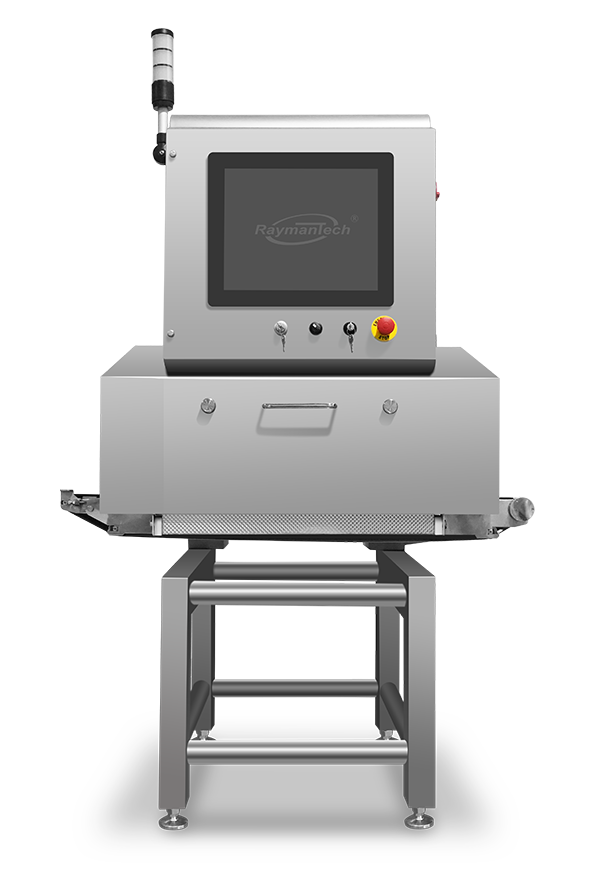
Ultra-fine contaminants detection, UHD X-Ray detec...
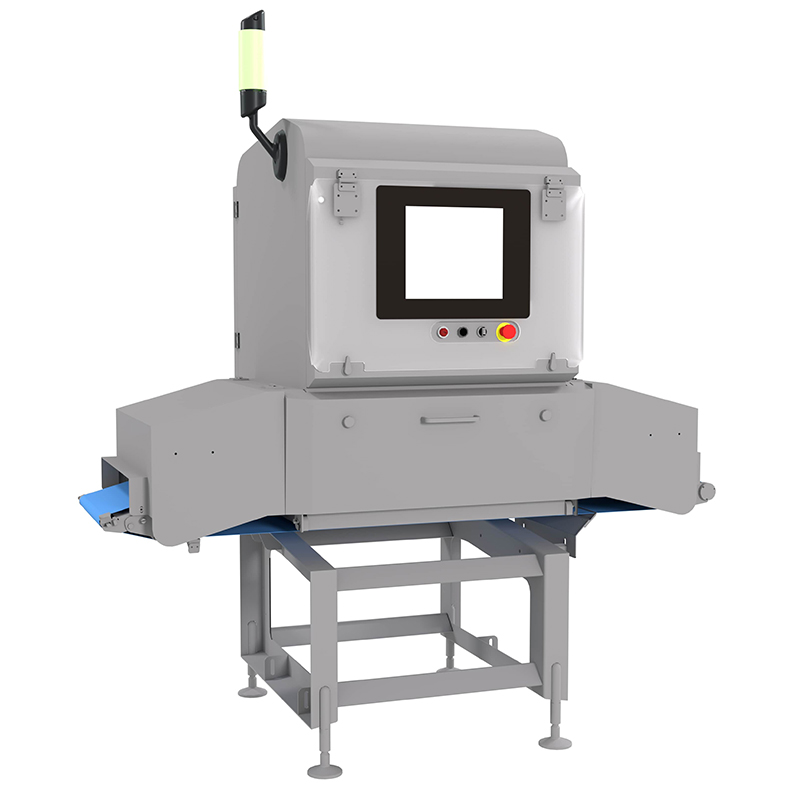
Both fat analysis and contaminant inspection (bone...
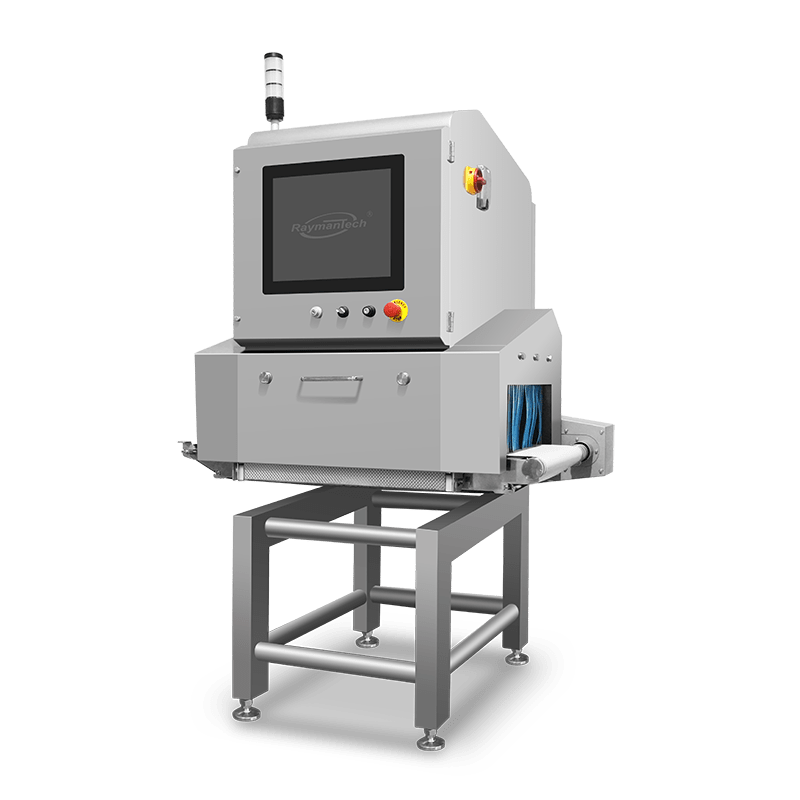
UHD X-Ray detector, AI large model, all food indus...
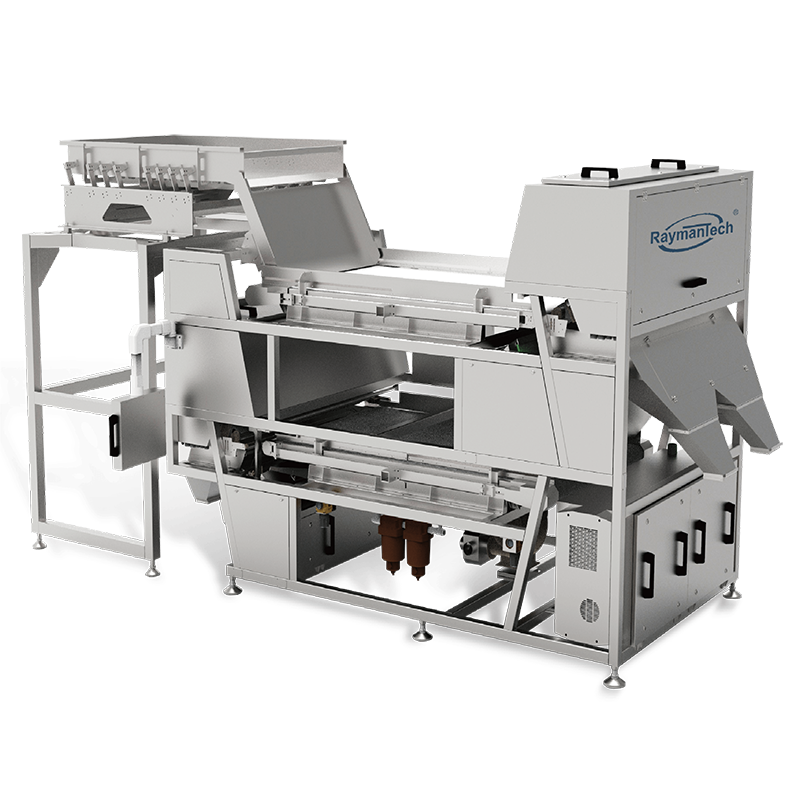
Recommedation: Chili, walnut, peanuts, soybeans, c...
Select the most popular foreign trade service products to meet your diverse needs
Select the most popular foreign trade service products to meet your diverse needs







User Comments
Service Experience Sharing from Real Customers
Michael Chen
Radiology TechnicianThe image clarity on this fish bone x-ray machine is exceptional. It has significantly improved our detection rate of fine bone fragments in seafood processing, streamlining our quality control process.
Sarah Johnson
Veterinary RadiologistA reliable and compact machine. Perfect for our clinic to quickly check for bone obstructions in pets, especially cats and dogs that have ingested fish. The user interface is intuitive.
David Miller
Production Line ManagerThis dedicated fish bone x-ray unit has been a game-changer for our canned tuna production. It's fast, accurate, and has drastically reduced consumer complaints related to bone contaminants. Excellent ROI.
Jessica Williams
Research ScientistWe use this machine for morphological studies of small fish specimens. The high-resolution imaging allows for non-destructive analysis of bone structures with incredible detail, greatly aiding our research.