
 English EN
 中国 CN
中国 CN
Discover the Unique Power of AI Optical Sorter Multi-Beam Imaging
Core Advantages of AI-Powered Optical Sorter
AI optical sorter multi-beam imaging stands out because it combines several advanced technologies to deliver exceptional results in sorting. The system uses high-resolution imaging and near 360-degree coverage, allowing it to inspect every angle of each item on the conveyor belt. Ultra-high definition cameras capture even the smallest details, making it possible to spot micro-defects that traditional optical sorting technologies often miss.
AI-powered optical sorter systems use multi-spectral imaging, which captures a broader spectrum of light, including infrared. This feature helps detect internal qualities and defects in fruit and other products that would otherwise go unnoticed. The integration of different sensor types, such as NIR and XRF, boosts material and color recognition. AI and machine learning algorithms enable the system to learn from previous sorting decisions, improving accuracy over time.
Tip: Multi-beam imaging can reduce false positives and negatives by up to 30%. This means fewer mistakes in sorting, leading to higher product quality and less waste.
Here is a table summarizing the main technological advancements:
Advancement Type | Description |
|---|---|
Sensor Integration | Multiple sensors, including NIR and XRF, work together for advanced material and color recognition. |
AI and Machine Learning | Algorithms adapt and improve sorting accuracy by learning from past data. |
Multi-Spectral Imaging | Detects internal qualities and defects not visible to standard cameras. |
Hyperspectral Imaging | Identifies materials and packaging with high accuracy and flexibility. |
These features allow ai sorting machines to achieve sorting accuracy rates as high as 99.9%. They also help maintain high throughput, analyzing thousands of items per minute. The system uses advanced image processing techniques, such as Connected Component Labeling and Gaussian filtering, to enhance image quality and reduce errors. AI-driven micro-defect detection uses machine learning to set different thresholds for various defect types, combining data from multiple sensors for cross-validation. This approach ensures that only products meeting strict quality standards pass through.
How Multi-Beam Imaging Works in Optical Sorting Machine
Multi-beam imaging technology uses several cameras and sensors positioned around the conveyor belt. This setup provides near 360-degree coverage, ensuring that every side of each fruit or vegetable is inspected. The optical sorting machine processes images in real-time, using neural classifiers to analyze the shape, color, and texture of each item. The system can localize each product, assess its features, and decide whether it meets quality standards.
The integration of the YOLOv7 model with HMI software allows for continuous monitoring. Operators see immediate feedback on the interface, with defects highlighted as soon as they are detected. The system records these events for further analysis, supporting maintenance and improving operational efficiency.
Multi-beam imaging enables:
Real-time detection and sorting of fruit, vegetables, and other products.
Instant feedback for operators, allowing quick responses to issues.
Enhanced sorting of complex products, such as mixed fruit or items with irregular shapes.
Fruit sorting benefits greatly from this technology. The system can identify subtle defects, such as bruises or mold, that are hard to spot with the naked eye. It also adapts to different types of fruit, ensuring consistent quality across batches. The combination of high-resolution imaging, AI algorithms, and real-time processing makes the optical sorting machine a powerful tool for modern food processing.
Key Technologies and Benefits of Optical Sorting Machine
Advanced Sensors and AI Algorithms
Modern optical sorting machines use a combination of advanced sensors and ai algorithms to achieve high sorting accuracy. These sensors include CCD cameras, near-infrared detectors, and X-ray detectors. Each sensor type plays a unique role in material detection accuracy and quality control. CCD cameras capture high-resolution imaging for color differentiation, while near-infrared sensors identify chemical signatures. X-ray detectors reveal hidden flaws inside fruit and other products. The integration of these sensors allows ai sorting machines to adapt to different materials and improve sorting efficiency.
Sensor Type | Functionality | Application Areas |
|---|---|---|
CCD Cameras | Capture high-resolution RGB values for color differentiation. | Food processing, recycling |
Near-Infrared (NIR) | Detect molecular vibrations to identify chemical signatures of materials. | Recycling, food safety |
Measure internal density and structure to reveal hidden flaws. | Mining, food processing |
AI algorithms process sensor data in real-time, using deep learning algorithms to identify and remove defective fruit. These systems replicate human vision with computer vision technology, enhancing accuracy and reducing manual labor. Automation benefits include lower operational costs and improved throughput.
Real-Time Processing and High-Speed Operation
Real-time data processing is essential for high-speed sorting. High-resolution cameras capture images of fruit as they move along the conveyor. The ai-powered detection system analyzes these images instantly, identifying defects and inconsistencies. Defective fruit are ejected quickly, which reduces waste and maximizes yield. The ai model continues to learn, further improving detection accuracy and minimizing product loss. This technology supports continuous operation and high throughput, making it ideal for busy food processing facilities.
Real-time imaging ensures immediate defect identification.
Automated ejection of defective fruit maintains workflow.
Continuous learning enhances sorting efficiency over time.
Industry Applications and Quality Assurance
Optical sorting machines are widely used in fruit sorting for frozen vegetables such as green beans, onions, peppers, corn, cucumbers, potatoes, and green vegetables. These machines also sort fruit like strawberries and tomatoes, as well as seafood and pharmaceuticals. The use of ai optical sorter technology ensures only defective items are removed, minimizing waste and supporting sustainable practices. Automated sorting systems help food processors meet hygiene and quality standards by eliminating defective fruit early in the process. Sorting accuracy reaches up to 99.9%, ensuring compliance with food safety regulations and delivering consistent product quality.
Note: AI sorting machines contribute to sustainability by retaining good fruit and reducing unnecessary waste.
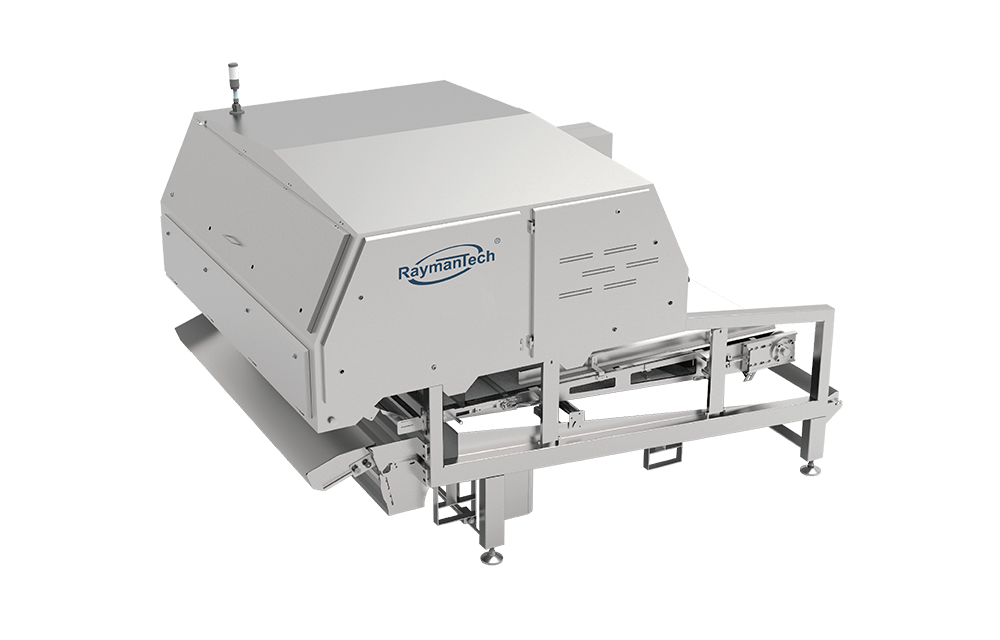
RaymanTech AI Multi Beam Belt Optical Sorter
The RaymanTech AI Multi Beam Belt Optical Sorter sets a new standard for sorting in food processing. This optical sorting machine uses advanced ai and imaging to inspect every fruit from multiple angles. The system delivers high throughput rates, making it ideal for busy production lines. It can sort thousands of fruit per minute with real-time accuracy.
The table below shows how this ai optical sorter compares to traditional inspection methods:
Feature | Traditional Inspection | AI-based Inspection |
|---|---|---|
False Positives | High rates, up to 50% | Cuts false positives by up to 90% |
Adaptability | Rigid; requires reprogramming | Learns from data; adapts to new products |
Defect Detection | Blind to subtle or new defects | Improved detection of complex defects |
RaymanTech’s ai sorting systems adapt quickly to new fruit varieties. The machine learns from data and improves sorting performance over time. This adaptability means less downtime and better results for every batch.
Many users have shared positive experiences with these automated sorting systems:
Michael Rodriguez, Production Manager, says the sorter has revolutionized their line by reducing waste and improving quality.
Sarah Chen, Quality Control Supervisor, praises its precision in color sorting and defect removal for sugar candies and fudge.
David Thompson, Plant Operations Director, notes a 30% boost in productivity and accurate detection of imperfections in both transparent and opaque fruit products.
Jennifer Wallace, Food Technologist, values the advanced detection system for eliminating foreign materials and color defects.
RaymanTech’s ai sorting machines support consistent quality and safety. The optical system ensures only the best fruit reach packaging. Real-time sorting and high throughput keep operations efficient and reliable.
AI optical sorter multi-beam imaging delivers unmatched quality and throughput for modern industries. The Canadian market shows rapid growth as companies adopt advanced ai sorting machines. Experts highlight opportunities and challenges in the future of optical sorter technology:
Category | Description |
|---|---|
Drivers | Sustainable packaging and environmental goals |
Opportunities | IoT and AI integration, strict waste regulations |
Challenges | Supply chain issues, consumer health, infrared limitations |
Invest in hybrid inspection flows.
Integrate AI early.
Plan for high-NA inspection.
Address the talent gap.
Adopting these strategies ensures businesses stay ahead as technology evolves.
FAQ
What products and industries can AI optical sorters handle?
AI optical sorters work with vegetables, fruits, seafood, and pharmaceuticals. They support recycling operations and help improve recycling in food processing, packaging, and recycling industries.
How does the AI optical sorter work?
The sorter uses real-time scanning and live data from cameras and sensors. It checks each item for defects and sorts them quickly, making recycling more efficient.
What makes AI sorting different from standard sorting?
AI sorting uses advanced algorithms and real-time analysis. It finds defects that standard systems miss. This technology improves recycling by increasing accuracy and reducing waste.
What types of defects can the AI optical sorter detect?
The system detects color defects, shape issues, foreign materials, and micro-defects. It helps recycling by removing unwanted items and keeping only high-quality products.

Related Articles
-
 Feb-04-2026
RaymanTech X-ray Inspection Systems: The Complete Guide to a Smarter, Safer Production Line
When a single shard of glass, a fragment of bone, or an unnoticed plastic tie can trigger a multimillion-dollar recall and shatter consumer trust, food manufacturers can no longer rely on yesterday’s detection technology. RaymanTech has built an entire ecosystem of X-ray inspection solutions that go far beyond traditional metal detectors, delivering density-based, shape-aware, AI-enhanced inspection across every product format imaginable.learn more -
 Feb-04-2026
Introduction to RaymanTech Optical Sorters for Farm Products and Food Processors
RaymanTech, as a leading provider of inspection and sorting solutions, has developed a comprehensive optical sorter portfolio that now serves both farm-product applications and food-processing environments. While farm-product sorters focus on capacity, adaptability, and raw-material variability, food-processor-grade sorters must also incorporate high IP protection, robust stainless-steel construction, sanitary design, and harsh washdown compatibility.learn more -
 Feb-04-2026
How Safe is X-ray Inspection of Food?
Consumers and manufacturers alike worry about contamination in food – broken glass, metal fragments, plastic or stone – entering a product and harming someone or prompting a recall. X-ray inspection systems have become a key solution: conveyors carrying packaged or unpackaged food pass through a shielded X-ray machine that “sees” inside each item. This technology complements traditional metal detectors and manual checks to catch a wider range of hazards. Importantly, extensive research and industry experience show that food X-ray inspection is extremely safe. Nearly everything we eat – from spices to snacks – is X-rayed at some point during production, and regulatory bodies (like the FDA) report “no known adverse effects” from the low-dose X-ray scans used in food plants.learn more




Follow us:


