 English EN
 中国 CN
中国 CN
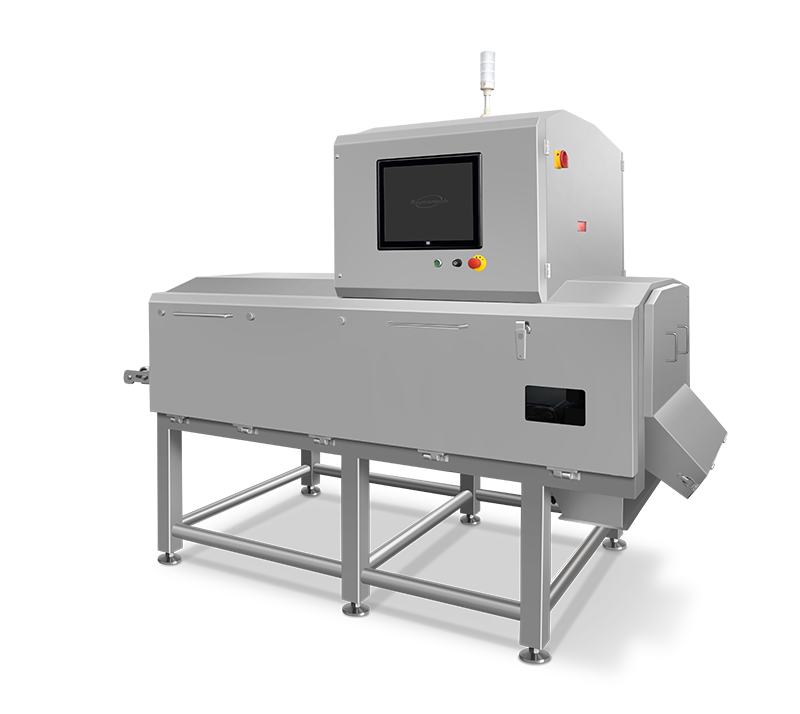
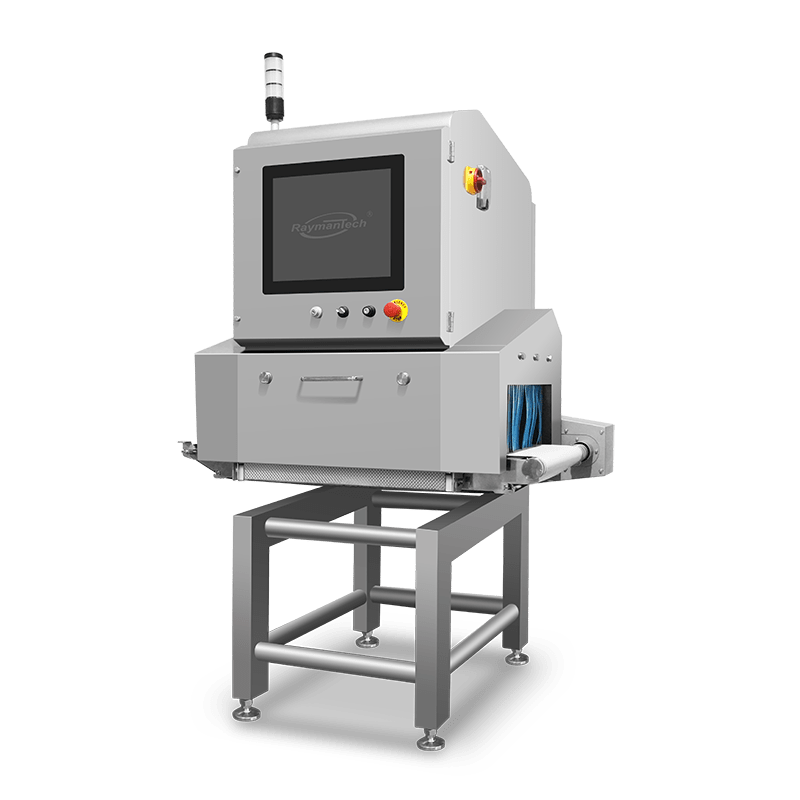
Principle of X-ray Inspection Machines in the Food Industry
X-ray inspection machines have become indispensabl...
More

The most important factor for a cake x ray machine is its detection sensitivity. It must reliably find common bakery contaminants. These materials include metal, glass, and dense plastics. This capability is essential for protecting consumers and maintaining brand integrity.
A system's core function is its ability to identify foreign bodies. Its performance directly impacts food safety and brand protection. Buyers must scrutinize the machine's detection capabilities for the specific contaminants found in a bakery environment. This verification process is the most critical step in the selection process.
Every manufacturer provides a specification sheet. This document lists the Minimum Detectable Size (MDS) for various contaminants. The MDS represents the smallest particle the machine can reliably identify. A bakery must ensure the system can detect common foreign materials at very small sizes. Key contaminants in cake production include:
Metal fragments: These often come from worn machinery parts, sieves, or utensils.
Glass shards: They can originate from broken light fixtures, jars, or inspection windows.
Dense plastics: Pieces may break off from conveyor belts, scrapers, or packaging materials.
A quality cake x ray machine should have a low MDS for each of these materials, ensuring even tiny fragments are found.
Theoretical specifications are a starting point. A practical demonstration provides true validation. A manufacturer should perform a test using your actual cake products. This test involves placing certified contaminant samples (test cards) of different sizes and types on or inside the cakes. The machine must then successfully detect and reject these contaminated products at your production line speed.
Note: This live test is non-negotiable. It confirms the cake x ray machine performs effectively under realistic conditions, accounting for your product's specific density, shape, and temperature. Document the results to ensure they meet your agreed-upon standards before finalizing the purchase.
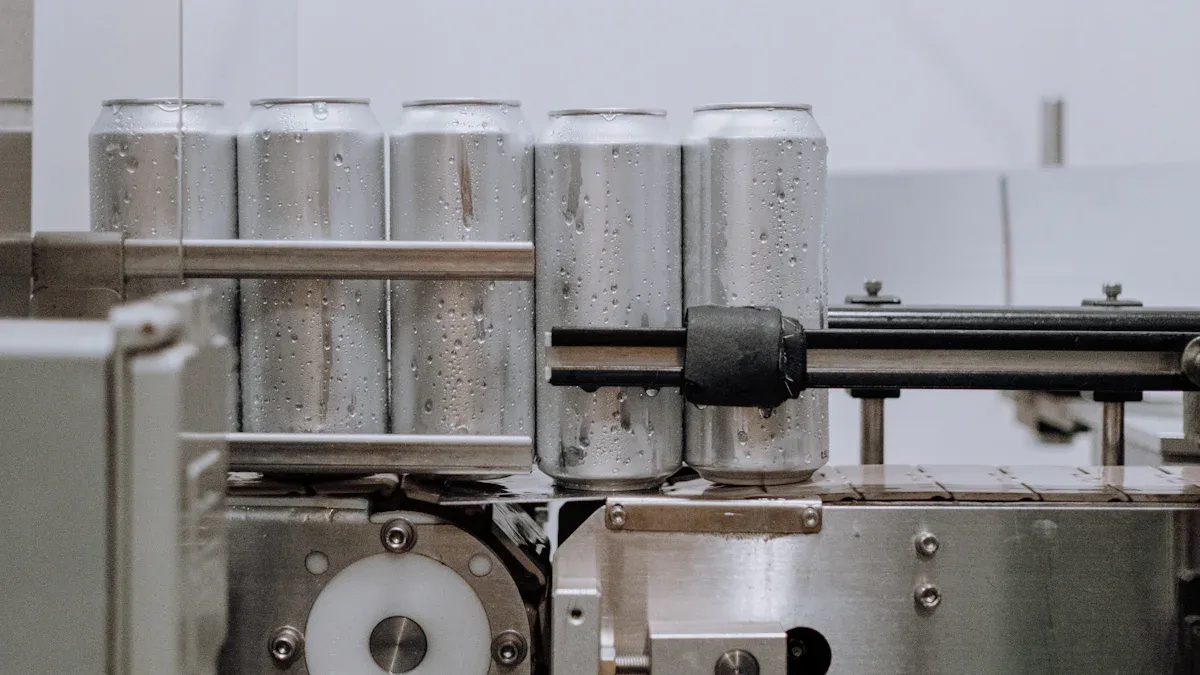
An x-ray system must function as a natural part of the production line, not an obstacle. Proper integration prevents bottlenecks and maintains operational efficiency. A buyer should confirm the machine's physical and operational compatibility with their existing setup before purchase. This ensures a smooth transition from installation to daily use.
The x-ray machine's conveyor must match the speed of the bakery's production line. A mismatch creates significant problems. A slow machine will cause product backups, while a machine that is too fast may not integrate properly with upstream or downstream equipment. High-speed bakery environments require systems that manage rapid throughput. Some advanced production lines utilize conveyors capable of exceeding 500 ft/min, so the inspection system must keep pace.
Pro Tip: Provide the manufacturer with your line's exact throughput data, measured in products per minute and belt speed. This allows them to configure the system for optimal performance and guarantee it will not slow down production.
The reject mechanism is the component that physically removes a contaminated product from the line. Its effectiveness is crucial for ensuring food safety without manual intervention. The choice of mechanism depends on the cake's size, weight, and packaging. Common options include:
Air Blast: Uses a sharp puff of air to push lightweight items off the belt. It is ideal for small, packaged cakes.
Pusher: Employs a pneumatic arm to slide heavier or larger products, like boxed cakes, into a rejection bin.
Drop Flap: A section of the conveyor pivots downward, dropping the contaminated item into a bin below. This works well for unwrapped or bulk products.
Managers must verify that the system removes only the target item. Careful tuning and testing ensure the mechanism is precise, preventing the rejection of good products nearby. This reliability is essential for minimizing product waste and maintaining accurate quality control.
The most advanced hardware is ineffective if operators cannot use it correctly. A system's software interface determines its day-to-day usability and efficiency. A bakery should prioritize a machine with an intuitive design that simplifies complex operations for line workers. This focus on usability reduces training time and minimizes the risk of costly setup errors.
A quality system features a user-friendly Human-Machine Interface (HMI). Operators interact with the machine through this interface, so its design is critical. Modern systems often include a large, full-color touchscreen, typically around 17 inches, running on a familiar platform like Windows. An icon-based layout helps users quickly understand functions without extensive training.
An effective HMI design simplifies workflows and uses clean, focused displays. This approach reduces operator fatigue and cognitive strain. Key features to look for include:
Simple navigation with clearly labeled icons.
Multi-level user access to protect critical settings.
On-screen diagnostics and help menus.
A well-designed interface accelerates decision-making and improves overall job satisfaction for the team.
Bakeries often produce a wide variety of cakes with different sizes, densities, and ingredients. An automated product learning feature, sometimes called "auto-setup," is essential for managing this diversity. This function allows the machine to automatically create an optimal inspection profile for a new product. The operator simply passes a few samples through the system, and the software learns the product's characteristics.
This automation significantly reduces the time needed for product changeovers. It also ensures consistent inspection accuracy across different batches. By minimizing the need for manual adjustments, the system reduces the chance of human error and optimizes performance for every cake type.
A bakery environment demands strict hygiene, and the inspection equipment must support these standards. The machine's design directly impacts how easily it can be cleaned and sanitized. A thorough inspection of its construction and accessibility is essential for maintaining food safety and operational efficiency.
The machine's material and ingress protection (IP) rating determine its durability against cleaning protocols. Manufacturers typically use 304 stainless steel for its excellent corrosion resistance and smooth, non-porous surface. This material prevents bacterial growth and withstands frequent contact with water and cleaning agents.
The IP rating indicates the level of protection against solids and liquids. A buyer should look for a high rating suitable for their cleaning process.
IP65: This rating signifies the equipment is dust-tight and protected against low-pressure water jets.
IP69K: This is the highest standard. It guarantees protection against high-pressure, high-temperature water jets up to 1450 psi and 176°F (80°C), making it ideal for rigorous wash-down environments.
An IP69K rating ensures the cake x ray machine can endure aggressive sanitation procedures without damaging its internal electronics, a critical feature for most food processing plants.
A sanitary design allows for quick and complete cleaning with minimal effort. The best systems feature tool-less disassembly. This principle means an operator can remove components like conveyor belts, guide rails, and curtains by hand. Parts must be readily accessible for inspection and sanitation without requiring special tools. This design simplifies the cleaning process, reduces downtime between production runs, and ensures no contaminants are left behind. A machine that is easy to take apart and reassemble encourages proper and frequent cleaning, which is fundamental to food safety.
An x-ray machine's primary function involves radiation, so safety is paramount. A buyer must ensure the system adheres to strict government regulations to protect operators and the work environment. This validation involves checking radiation containment and confirming that all safety mechanisms function correctly.
Modern x-ray inspection systems are extremely safe. They are built with heavily shielded cabinets that contain the radiation. Manufacturers must provide documentation certifying that radiation leakage levels are well below the regulatory limit, which is typically less than 1 µSv/hour. This level is comparable to naturally occurring background radiation.
A buyer should request a copy of the radiation survey report for the specific model. This official document confirms the machine's compliance and provides peace of mind that it poses no risk to employees working nearby.
Safety interlocks are critical mechanisms that automatically shut down the x-ray generator if a door or panel is opened. These fail-safes prevent any accidental exposure to radiation. A compliant system includes multiple layers of protection. Key interlock requirements include:
A minimum of two safety interlocks on all access doors.
At least one safety interlock on every access panel.
A design ensuring that if one interlock fails, it does not cause another to fail.
In addition to interlocks, the system must have other visible safety features. Conspicuous red emergency stop buttons immediately cut power to the generator in an emergency. Warning lights provide clear visual alerts, indicating when x-rays are active or when a protective door is open. These combined features create a secure system that prioritizes operator safety at all times.
A machine's long-term value depends heavily on the manufacturer's post-purchase support. A buyer must investigate the quality of installation, training, and ongoing service. This diligence ensures the equipment remains a reliable asset rather than a source of operational friction. A strong support structure protects the investment and maximizes uptime.
Professional installation and comprehensive training are essential for a successful deployment. A supplier should offer a structured program that empowers operators to use the equipment confidently and safely. A robust training curriculum goes beyond the user manual and is often tailored to a bakery's specific needs. Key training modules should include:
Radiation safety and regulatory compliance.
System operation and use of advanced software features.
Basic maintenance and machine care to maximize uptime.
Level 1 troubleshooting to resolve minor issues independently.
Top-tier suppliers provide flexible training options, including on-site sessions, interactive online courses, and expert-led instruction. This ensures all personnel gain the skills for proficient operation.
Equipment downtime directly impacts production and profitability. A buyer must clarify the terms of the service level agreement (SLA) before purchase. The agreement should specify guaranteed response times for technical support and on-site service. These response times can range from 4 to 48 hours, but it is critical to understand if this applies during business hours only. A clear SLA prevents unexpected delays. Furthermore, a manufacturer should confirm the local availability of critical spare parts. Quick access to components minimizes repair time and keeps the production line moving.
A buyer makes a sound investment by verifying key points. They must confirm detection sensitivity with their cakes and ensure the machine's speed matches their line. Checking for user-friendly software, inspecting the sanitary design, and validating safety certifications are also crucial. A thorough check ensures the selected cake x ray machine protects the brand and its customers.
No. The low energy and brief exposure time do not alter a cake's taste, texture, or shelf life. The product remains completely safe for consumption.
A system's footprint varies by model. A buyer must account for the machine's dimensions, plus clearance for the reject bin and maintenance access.
Yes. Advanced systems detect more than just metal. They reliably identify other dense contaminants like glass, mineral stone, and certain plastics or rubber compounds.

We provide you with comprehensive foreign trade solutions to help enterprises achieve global development
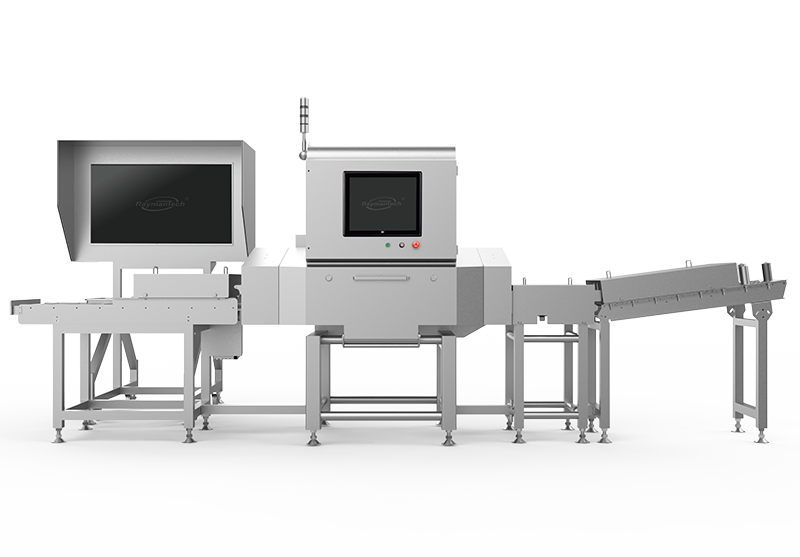
Automatic recognition and rejection, fish bone ins...
High cost performance, compact design, high sensit...
.png)
Recommedation: Aquatic products, pet food, candy, ...
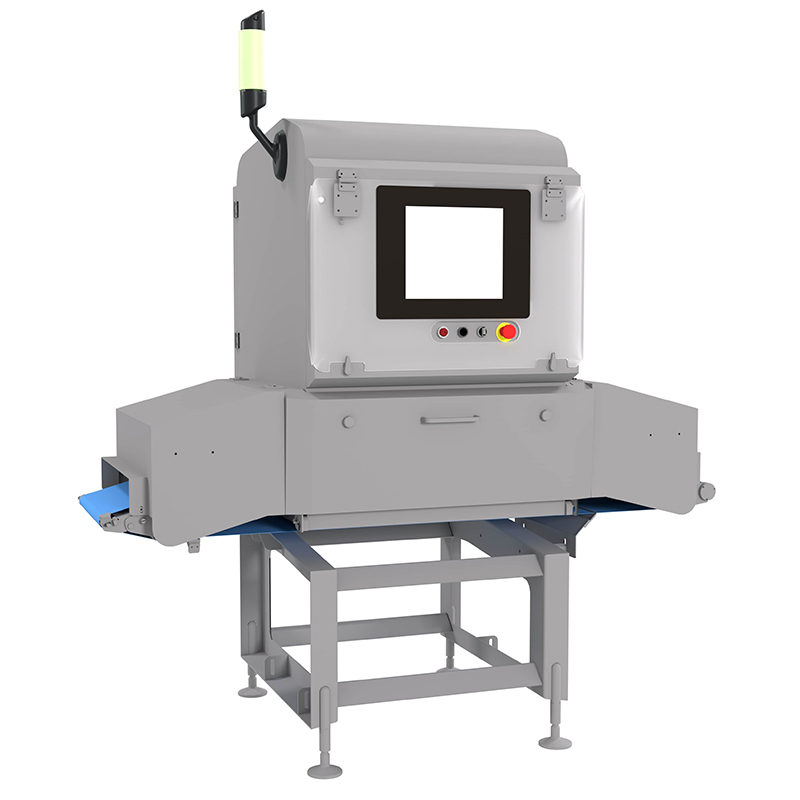
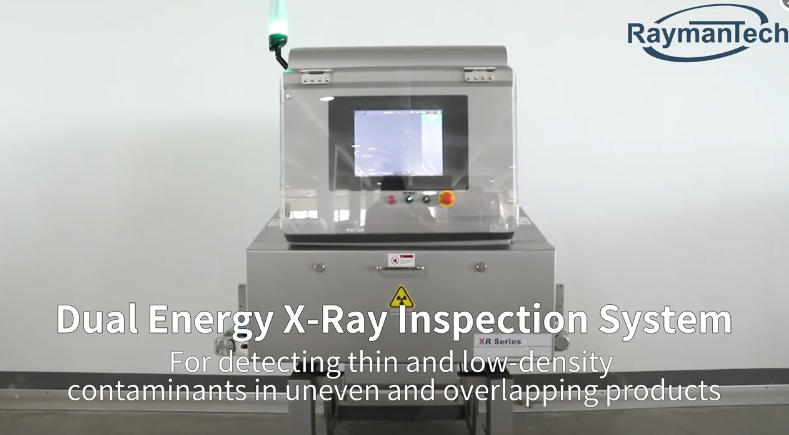
Uneven and overlapped product detection, thin & lo...
Select the most popular foreign trade service products to meet your diverse needs
Select the most popular foreign trade service products to meet your diverse needs



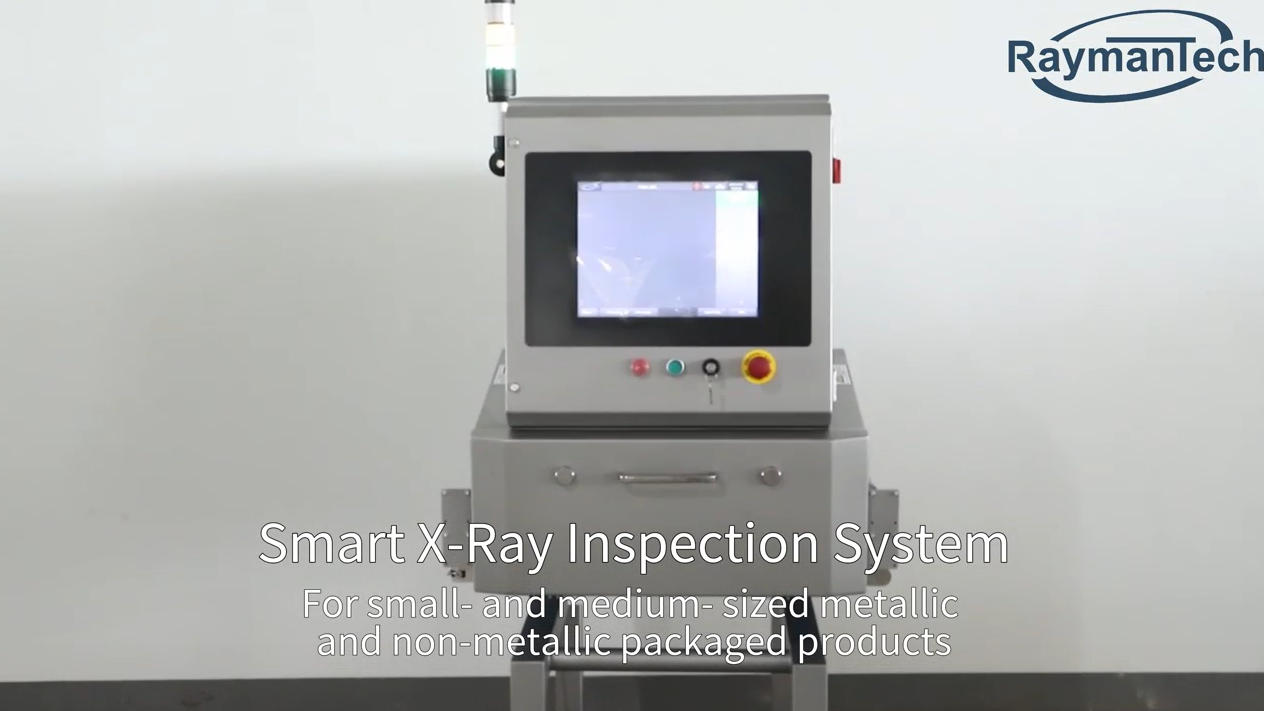





User Comments
Service Experience Sharing from Real Customers
Emily Chen
Quality Control ManagerThis cake x-ray machine has revolutionized our quality assurance process. We can now detect foreign objects with 99.9% accuracy without damaging our products. The training and support were excellent!
David Rodriguez
Production SupervisorImpressive machine that significantly improved our food safety standards. The detection sensitivity is remarkable for identifying small metal fragments and other contaminants in our baked goods.
Sarah Johnson
Food Safety SpecialistAs someone responsible for compliance, this x-ray machine gives me complete confidence in our product safety. The automated reporting feature saves us hours of documentation work each week.
Michael Thompson
Plant ManagerThe machine integration was seamless with our existing production line. While the initial investment was significant, the reduction in recall risks and improved customer trust makes it absolutely worthwhile.