 English EN
 中国 CN
中国 CN
.png)
Safe Paws, Happy Hearts: Mastering Pet Food Safety with Advanced X-Ray Inspection
As pet owners increasingly view their companions a...
More

Beef bone detection plays a vital role in modern meat processing. Advanced technologies, like x-ray inspection and spectroscopic imaging, help processors achieve higher accuracy. These methods improve product quality and consumer safety. Operators can maximize yield by reducing human error and ensuring consistent detection of bone fragments.
Manual inspection remains a foundational approach in many beef processing facilities. Trained workers visually examine and palpate beef cuts to identify and remove bone fragments. This method relies heavily on the skill and experience of the staff. Workers use their hands and eyes to detect irregularities in texture and shape. They often work under bright lighting to enhance visibility.
Despite its widespread use, manual inspection presents several challenges. Fatigue can reduce accuracy over long shifts. Human error may lead to missed bone fragments, especially in high-volume environments. Consistency varies from one worker to another. Processors often supplement manual methods with additional detection systems to improve reliability.
Tip: Regular training and rotation of staff can help maintain high standards in manual beef bone detection.
Automated detection systems have transformed beef bone detection in modern processing plants. These systems use advanced technologies to identify bone fragments with greater speed and accuracy than manual methods. X-ray technology stands out as a leading solution in this field.
X-ray systems inspect 100% of meat products at high production speeds.
These systems can identify the presence or absence of bone in beef products.
X-ray technology detects specific types of bones, such as beef rib bones, even when embedded within the meat.
Automated systems offer several advantages. They reduce reliance on human judgment and minimize the risk of missed fragments. Consistent performance ensures higher product quality and safety. Processors can achieve greater yield by removing only the necessary bone material, reducing waste.
A comparison of manual and automated methods highlights the benefits of automation:
| Method | Accuracy | Speed | Consistency | Labor Requirement |
|---|---|---|---|---|
| Manual Inspection | Variable | Moderate | Inconsistent | High |
| Automated Detection | High | Fast | Consistent | Low |
Automated detection systems continue to evolve, offering processors new ways to enhance efficiency and maintain high standards in beef bone detection.

X-ray technology has become a cornerstone in modern beef processing facilities. These systems use electromagnetic radiation to identify physical contaminants by differentiating materials based on density. The process relies on several technical principles:
X-rays pass through less dense materials, such as muscle tissue, with ease. Denser materials, like bones, absorb more x-rays and appear darker in the resulting image.
Differential absorption allows the system to distinguish between bone and meat. Each material absorbs x-rays at a different rate due to its unique density.
Modern x-ray systems can detect a wide range of contaminants. These include bones, metals, ceramics, glass, and dense plastics. The systems also assess product integrity, ensuring completeness and the absence of defects.
Dual energy x-ray technology marks a significant advancement in food safety. By using two energy levels, these systems improve detection capabilities. They differentiate materials based on varying densities, which is crucial for identifying hidden contaminants such as small bones in beef products. The Techik Dual Energy X-ray Inspection System, for example, combines advanced imaging with sophisticated algorithms. This approach enhances the ability to distinguish bone fragments from meat, supporting high standards of quality control.
A study reported a detection accuracy of 90% for identifying bone fragments in lean pork slices. This level of accuracy demonstrates the potential of x-ray systems for beef bone detection, as similar results can be expected in beef processing.
X-ray inspection systems offer several advantages compared to manual and traditional detection methods. These benefits impact both operational efficiency and product quality.
X-ray inspection systems automate the detection process, enhancing product quality and reducing human error. They can detect smaller bone fragments and contaminants that manual inspection may miss, thus improving food safety.
Eagle x-ray machines provide more reliable and consistent bone detection than manual inspection, resulting in consistent product quality and reducing labor requirements.
Eagle’s breakthrough detector, PXT™, can detect bones as small as 1 mm, which manual inspection may overlook, thus maximizing yields and profits.
Processors benefit from the speed and consistency of x-ray systems. These machines inspect every product at high production speeds, ensuring no item escapes scrutiny. The technology reduces reliance on human judgment, which can vary due to fatigue or experience. Automated systems deliver consistent performance, minimizing the risk of missed fragments.
Operational costs represent an important consideration when implementing x-ray technology. The following table outlines the main cost categories:
| Cost Type | Description |
|---|---|
| Upfront Costs | Includes purchase price, installation, and employee training. |
| Lifetime Costs | Ongoing expenses such as maintenance, software and hardware upgrades, and production halts. |
| Training Costs | Costs for operator training and radiation safety certification. |
Employees must learn how to calibrate, run, and maintain the x-ray machines. Radiation safety certification is also necessary, with training costs ranging from $500 to over $1,000 per employee. When adopting x-ray technology, processors must consider both initial and ongoing expenses. These investments support safe and effective operation.

Spectroscopic methods have gained attention in the meat industry for their ability to analyze food composition without damaging the product. These techniques use light to identify differences in the chemical structure of meat and bone. Near-infrared and hyperspectral imaging systems can detect contamination and defects that are not visible to the naked eye. Processors value these methods for their speed and non-contact operation, which reduces the risk of cross-contamination.
Thermal imaging also plays a role in food safety. This technology detects temperature variations on the surface of beef cuts. It provides quick readings and helps identify foreign materials, including bone fragments, by highlighting areas with different thermal properties. Processors use thermal imaging to enhance inspection accuracy and maintain product integrity.
Modern beef processing facilities rely on several imaging technologies to improve detection rates and workflow efficiency. The following table compares the effectiveness and limitations of key imaging solutions:
| Technology | Effectiveness | Limitations |
|---|---|---|
| X-ray imaging | Commonly used for detecting bone fragments, with a high detection rate. | Can miss up to 30% of bone fragments due to uneven thickness, leading to false patterns. |
| Hyperspectral imaging | Capable of detecting contamination and defects beyond visible light spectrum. | May not be as effective for all types of bone detection compared to X-ray imaging. |
Processors integrate X-ray, near-infrared, and ultrasound systems into their workflows to enhance beef bone detection. Advanced AI-powered inspection systems further improve accuracy and efficiency. Real-time, high-throughput inspection reduces the risk of recalls and financial losses. These technologies help maintain food safety and meet regulatory standards.
Processors must evaluate several criteria when choosing equipment for precision beef bone detection. High precision remains essential, as systems must identify even the smallest bone fragments. Quality assurance features minimize the risk of bone contamination, supporting food safety standards. Detailed imaging capabilities allow comprehensive examination of bone structures within meat products.
| Feature | Description |
|---|---|
| High Precision | Detects even the smallest bone fragments. |
| Quality Assurance | Reduces risk of bone contamination in food products. |
| Detailed Imaging | Enables thorough examination of bone structures. |
| Advanced Detection Capabilities | Identifies contaminants such as metal and glass. |
| Real-time Monitoring | Tracks operations and performance for improved efficiency. |
| High Sensitivity | Finds hard-to-detect bone fragments, reducing false positives. |
| Fast Processing | Maintains high throughput on production lines. |
| Low False Reject Rates | Optimizes product yield and minimizes waste. |
Manufacturers should document equipment selection, considering product characteristics, packaging formats, contamination risks, and process requirements. Technical specifications must confirm the system’s ability to detect target contaminant sizes. Validation studies should demonstrate effective detection under production conditions. Applications extend beyond meat products, including processed foods, dairy, and seafood. Benefits include regulatory compliance and increased customer satisfaction.
Proper staff training ensures effective operation of beef bone detection systems. Employees must understand the principles of detection equipment and follow testing routines for maximum efficiency and safety. Regular training sessions keep staff updated on new technologies and protocols.
Best practices include adjusting detector sensitivity based on product conductivity and recalibrating when changing products. Facilities should implement scheduled tests at the start of each shift and between product changes to verify detector performance. Integrating high-performance detection systems into processing lines enhances quality control. Enclosed pipeline x-ray systems, combined with advanced vacuum stuffing equipment, minimize air pockets and improve imaging reliability. Eagle’s enhanced dual energy detectors provide superior bone detection, supporting product safety and quality.
Tip: Continuous training and adherence to best practices help maintain high standards in beef bone detection and ensure consistent results.
Routine maintenance and calibration play a critical role in ensuring the reliability of beef bone detection systems. Processors follow structured schedules to keep equipment operating at peak performance. The following steps outline best practices for maintaining detection systems:
Regular cleaning and sanitization prevent contamination and support consistent operation.
Lubrication of moving parts reduces wear and extends equipment life.
Frequent inspections identify damaged components before they impact efficiency.
Blade inspection and sharpening maintain effective cutting and detection.
Proper alignment of all components prevents mechanical failures.
Electrical components require regular checks for safety.
Safety features must undergo routine testing to ensure proper function.
A documented maintenance schedule helps avoid unexpected breakdowns.
Operator training ensures safe and efficient use of the equipment.
Calibration remains equally important. The table below highlights how regular calibration supports operational goals:
| Evidence | Explanation |
|---|---|
| Regular calibration helps ensure reliable detection of contaminants | This is crucial for maintaining food safety and operational efficiency, as it minimizes false rejects. |
| Calibration allows operators to adjust sensitivity settings | This ensures that even small contaminants are detected without excessive false rejects, which is vital in high-speed production lines. |
Integrating advanced detection systems into existing beef processing lines presents several challenges. Processors often encounter:
Data quality and diversity issues, which can increase false alarms if not addressed.
Difficulties merging new systems with legacy equipment, especially when maintaining hygiene zones.
Worker acceptance, which depends on practical training and understanding of system alerts.
Technical hurdles, such as maintaining AI models and minimizing false positives, which require robust hardware and regular updates.
Successful integration requires careful planning, ongoing staff education, and a commitment to continuous improvement.
Accurate beef bone detection systems play a crucial role in minimizing bone fragments in finished beef products. Processors achieve sharper and more detailed imaging, which allows for precise identification of bone fragments and reduces false positives. The enclosed pipeline x-ray system operates at high speeds, leading to fewer product rejects and increasing yields by 1.5% to 3% compared to conventional systems. The ability to control rejects directly contributes to a significant reduction in product waste, enhancing overall yield.
Sharper imaging enables precise bone fragment identification.
High-speed systems reduce product rejects and boost yield.
Controlled rejects minimize waste in final products.
Advanced detection technologies elevate consumer safety standards in beef processing. SensorX identifies bone fragments as small as 2mm and achieves over 99% detection accuracy for bone remnants. Dual energy X-ray technology excels at distinguishing bone fragments from other dense materials, minimizing false alarms and ensuring contaminated products do not reach consumers. These systems reliably detect bone fragments in various meat products, including ground beef and chicken nuggets, significantly reducing the risk of bone contamination.
Note: Enhanced detection accuracy protects consumers from potential hazards and supports regulatory compliance.
Processors leverage AI-driven imaging and analytics to inform real-time cutting and sorting decisions, which reduces trim waste and maximizes meat extraction. The DeboFlex Primal Cut system uses AI models to detect pelvic bones accurately, optimizing cutting processes and improving yield. These innovations help facilities minimize waste and achieve higher profitability.
| Technology | Benefit |
|---|---|
| AI Imaging & Sorting | Maximizes meat extraction |
| DeboFlex Primal Cut | Optimizes cutting, reduces waste |
Processors achieve higher accuracy by adopting advanced beef bone detection technologies and following best practices.
Regular equipment maintenance and calibration ensure consistent results.
Continuous improvement in detection processes supports better product quality, increased consumer safety, and higher yield. Facilities that invest in innovation set new standards in beef processing.
X-ray inspection systems provide the highest accuracy. These machines detect small bone fragments quickly and consistently, outperforming manual inspection methods.
Processors should calibrate detection systems at least once per shift. Regular calibration ensures reliable performance and minimizes false rejects.
| System Type | Waste Reduction |
|---|---|
| X-ray | High |
| AI Imaging | Moderate |
| Manual | Low |
Advanced systems help processors minimize waste by improving detection accuracy.

We provide you with comprehensive foreign trade solutions to help enterprises achieve global development
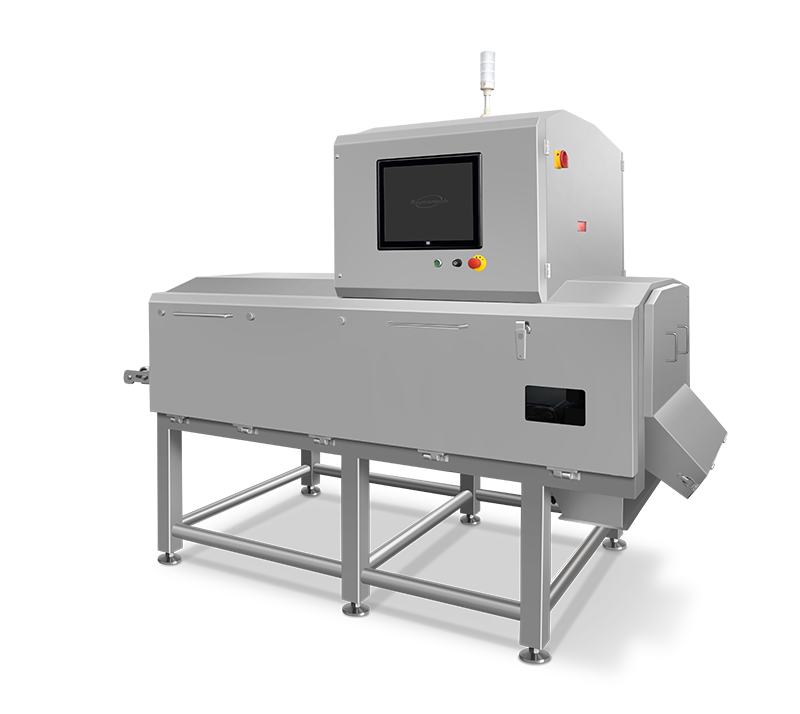
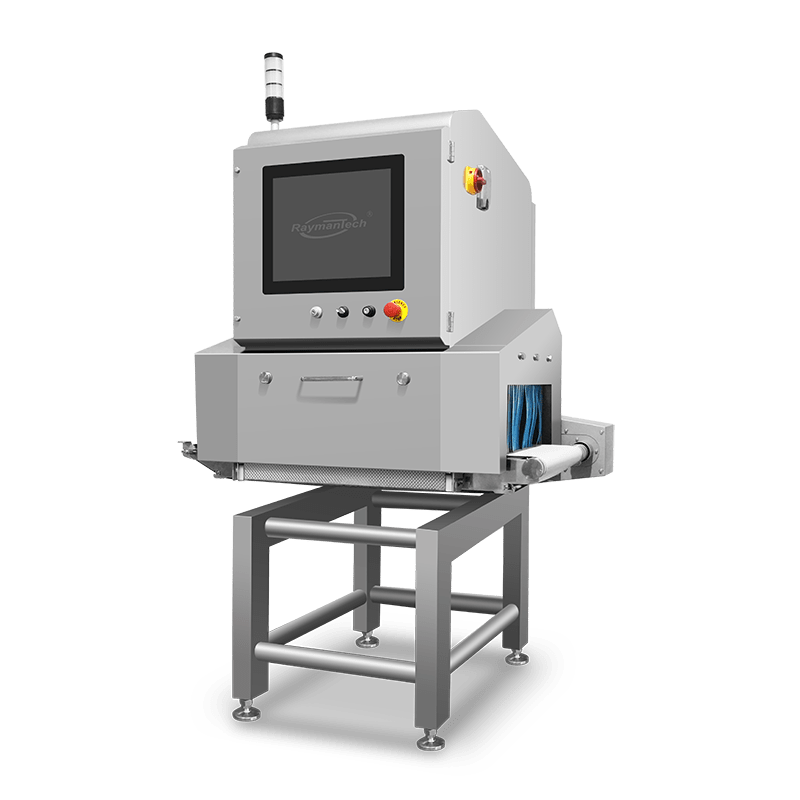
Ultra-fine contaminants detection, UHD X-Ray detec...
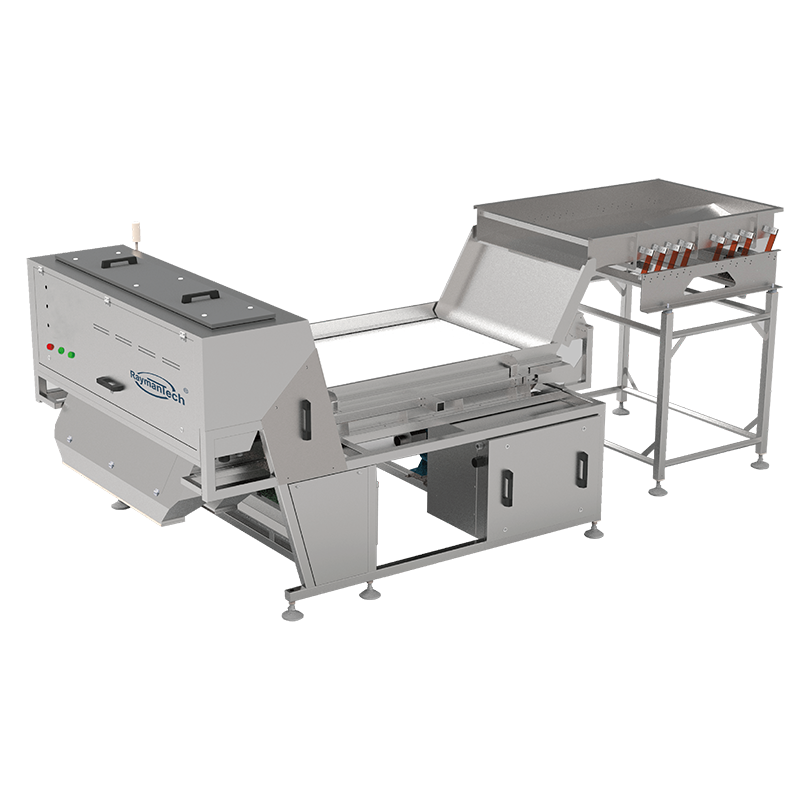
Recommedation: Chili, walnut, peanuts, soybeans, c...
Automatic recognition and rejection, fish bone ins...
Recommedation: Chili, walnut, peanuts, soybeans, c...
Select the most popular foreign trade service products to meet your diverse needs
Select the most popular foreign trade service products to meet your diverse needs







User Comments
Service Experience Sharing from Real Customers
Michael Chen
Quality Control ManagerThis beef bone detection system has revolutionized our production line. Its accuracy in identifying even the smallest bone fragments is exceptional, significantly improving our product safety and compliance. A must-have for any meat processing facility.
Sarah Johnson
Food Safety InspectorAs an inspector, I've seen many detection systems. This one stands out for its reliability and user-friendly interface. It has greatly assisted the plants I oversee in meeting stringent safety standards. Minor calibration learning curve, but overall excellent performance.
David Rodriguez
Plant Operations DirectorImplementing this detection technology was the best investment we made last year. It drastically reduced consumer complaints related to bone fragments and minimized waste by ensuring precise trimming. The ROI was clear within months.
Emily Watson
Research & Development ScientistWe integrated this detector into our new premium ground beef line. The sensitivity and speed are impressive, allowing for high-throughput processing without compromising on safety. The technical support team is also highly responsive.