 English EN
 中国 CN
中国 CN
.png)
How Safe is X-ray Inspection of Food?
Consumers and manufacturers alike worry about cont...
More

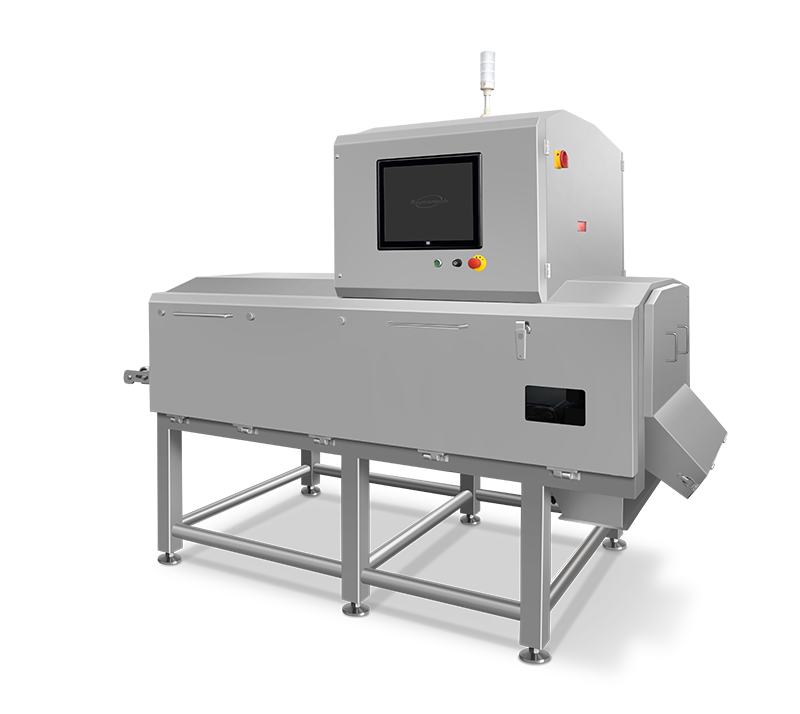
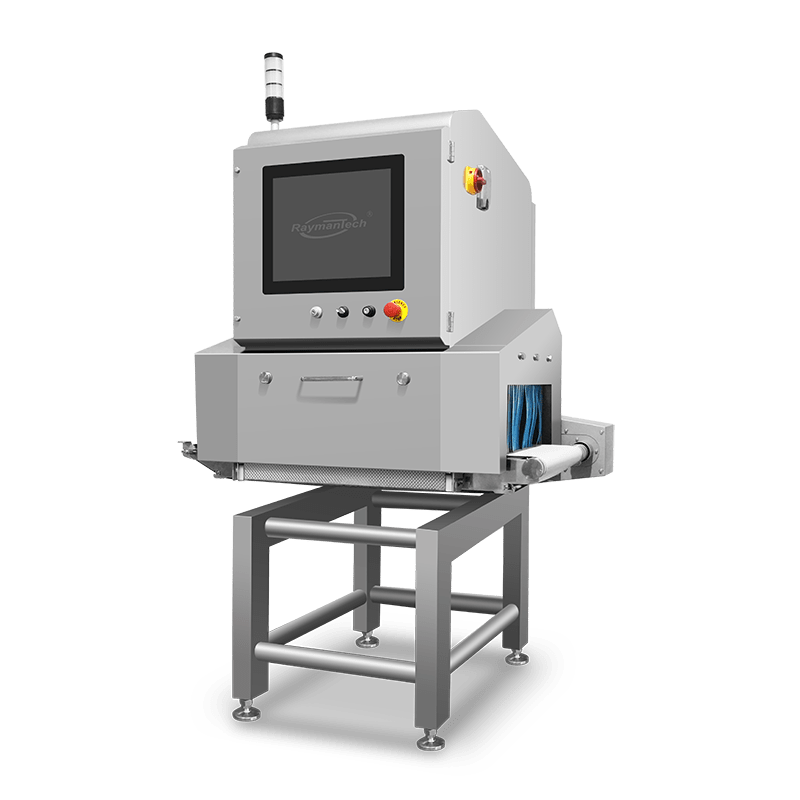
Efficient bakery x-ray inspection increases product safety and production uptime.
Advanced x-ray systems perform multiple quality checks, including contamination detection and mass component count.
Hygienic designs and easy cleaning routines minimize downtime and simplify maintenance.
High conveyor speeds and intuitive user interfaces support productivity and operational accuracy.
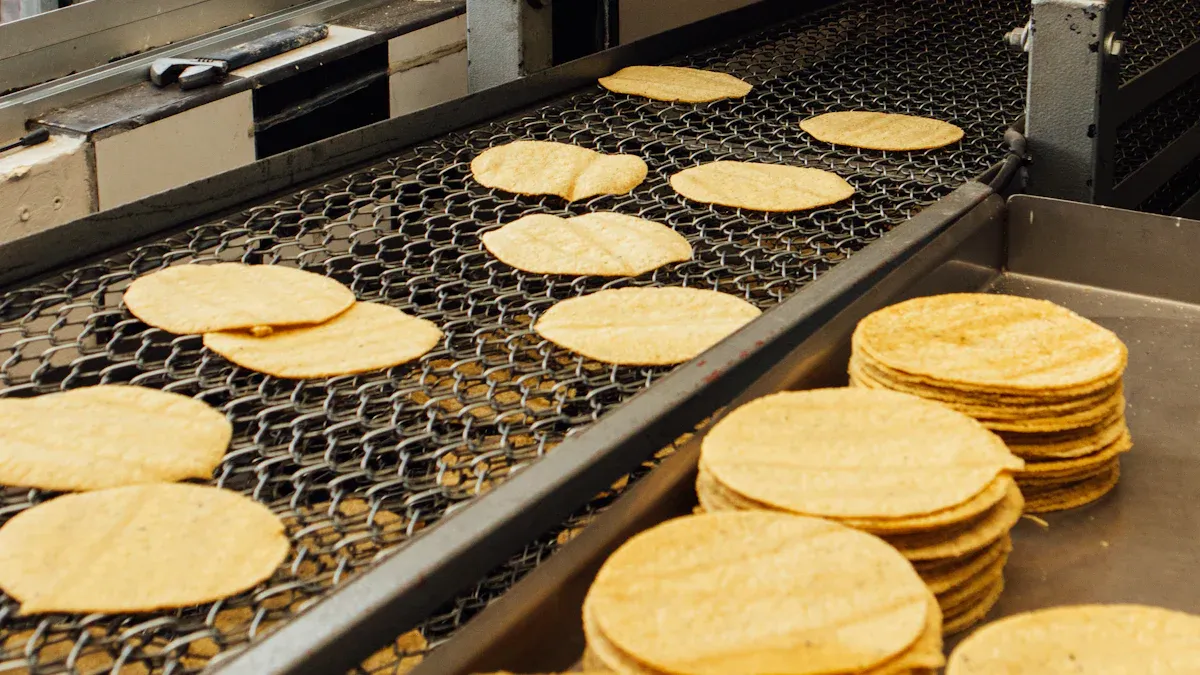
Consistent product presentation forms the foundation of reliable bakery x-ray inspection. Operators must align products uniformly on the conveyor to prevent detection errors. Variability in ingredients and packaging often complicates the development of dependable detection algorithms. When products enter the inspection zone in a predictable manner, the system can more accurately identify contaminants and defects.
Product overlap and excessive gaps reduce inspection accuracy. Overlapping items may hide foreign materials, while large gaps can disrupt the inspection process. Common challenges include accumulation at staging zones and issues with rejects and redirects. Operators should maintain even spacing to ensure each item receives thorough inspection.
Tip: Use automated guides or spacing devices to maintain optimal product flow and minimize manual intervention.
Proper calibration of conveyor speed and alignment enhances bakery x-ray inspection efficiency. High-speed conveyors must synchronize with inspection system capabilities to avoid missed detections. The table below highlights frequent material handling challenges that impact calibration and alignment:
| Challenge | Description |
|---|---|
| Flexibility in inspection systems | The need for versatile systems that can adapt to a growing variety of products. |
| Difficulty in detecting contaminants | Sophisticated equipment is required to find smaller and harder-to-detect defects and foreign materials. |
| Impact of product variability | Variability in ingredients and packaging complicates the creation of reliable detection algorithms. |
Product temperature does not influence the sensitivity of bakery x-ray inspection. X-ray systems maintain consistent detection levels regardless of temperature fluctuations. This reliability contrasts with other inspection technologies, such as metal detectors, which may produce false rejects due to temperature changes. Operators can schedule inspection immediately after cooling without concern for detection accuracy.

Modern bakery x-ray inspection systems offer a range of multi-function detection features that improve both safety and efficiency. These systems can detect embedded contaminants such as glass or small stones, ensuring consistent quality control for products like cookies, chips, pastries, and cereal bars. Many systems combine x-ray inspection with metal detection to address different contamination risks. The X34 X-ray system, for example, uses optimum power generators and Autolearn software, which allows even novice users to set up inspections quickly. Operators can adjust system configurations based on product orientation, optimizing the detection process for each bakery item. These features adapt to fast-moving production lines without sacrificing accuracy, making them essential for high-volume bakery environments.
Tip: Choose systems with adaptive detection and quick setup features to streamline changeovers and reduce training time.
Integrating data collection and analysis into bakery x-ray inspection processes leads to real-time monitoring and faster decision-making. This integration reduces contamination risks and streamlines the inspection process. A robust data collection system helps suppliers demonstrate a history of quality production, which is valuable during audits or when responding to quality control issues. AI-based analysis identifies contaminants and assesses product integrity, further improving inspection efficiency.
The following table highlights key metrics that real-time data analysis can provide:
| Metric | Description |
|---|---|
| Throughput and Capacity % | Measures the efficiency of production processes. |
| Defect % and Out-Of-Spec % | Indicates quality control issues by type. |
| Uptime/Downtime % | Reflects operational efficiency. |
| Changeover Time | Time taken to switch between production runs. |
| Statistical Information | Displays trends, counts, and defect histograms. |
Operators can use these insights to identify trends, optimize production, and minimize downtime.
Bakery products vary widely in shape, density, and ingredient composition. Customizing detection settings for each product type ensures accurate results. Operators can adjust sensitivity levels, detection thresholds, and inspection parameters to match the specific characteristics of each bakery item. For example, products with irregular shapes may benefit from multi-view technology, which captures images from multiple angles to reveal hidden contaminants. High-resolution sensors detect finer details, which is essential for identifying small contaminants like bones or glass fragments. Dual-energy imaging further enhances detection capabilities, improving food safety and quality control.
| Feature | Description |
|---|---|
| Pan-AI Algorithm Technology | Uses AI for adaptive detection and multi-contaminant identification. |
| Multi-View Technology | Captures images from several angles for irregular products. |
| High-Resolution Sensors | Identifies small contaminants with greater accuracy. |
| Dual-Energy Imaging | Improves detection beyond traditional x-ray methods. |
Aperture size plays a critical role in the sensitivity of bakery x-ray inspection systems. Adjusting the aperture size allows the system to detect smaller foreign objects. Some technologies can identify particles as small as 0.25 mm, depending on the aperture used. Operators should select the smallest practical aperture size for each product to maximize detection accuracy without compromising throughput.
Smaller apertures increase sensitivity to tiny contaminants.
Proper aperture adjustment ensures reliable detection across a range of bakery products.
Detecting low-density contaminants in bakery products presents unique challenges. Advanced image processing algorithms address these challenges by enhancing contrast and identifying subtle differences. Thermal imaging detects contaminants even under low contrast conditions by exploiting differences in thermal properties. Machine learning models like YOLO (You Only Look Once) offer speed and accuracy for real-time applications, especially in identifying surface-level defects and quantifying contamination areas. Hyperspectral imaging provides precise identification, while deep learning models such as convolutional neural networks (CNN) combined with thermal imaging deliver high accuracy in classification tasks.
Note: Implementing advanced algorithms improves detection rates for low-density contaminants, which are often missed by traditional inspection methods.
A clean inspection area supports food safety and system reliability. Teams should follow a strict cleaning schedule that includes daily, weekly, and monthly tasks. Audits help verify that cleaning meets industry standards. Compliance with Sanitation Standard Operating Procedures (SSOPs), Hazard Analysis and Critical Control Points (HACCP), and Good Manufacturing Practices (GMPs) ensures that every step aligns with regulatory requirements. Staff should change into uniforms and shoes worn only at the factory to prevent outside contamination.
Perform routine audits.
Follow SSOPs and HACCP guidelines.
Enforce GMPs.
Require dedicated uniforms and footwear.
Tip: Document each cleaning activity to support traceability and accountability.
Equipment design plays a vital role in maintaining hygiene. Manufacturers use stainless steel and smooth surfaces to reduce the risk of harboring bacteria. Rounded edges and minimal joints allow for easy cleaning. Quick-release parts enable staff to disassemble and sanitize components efficiently. These features help bakery x-ray inspection systems meet strict hygiene standards and reduce downtime.
Proper training ensures that all team members understand and follow sanitation protocols. Training programs should cover cleaning schedules, correct use of cleaning agents, and personal hygiene practices. Supervisors must reinforce the importance of compliance through regular reminders and spot checks. Well-trained staff protect both product quality and consumer safety.
Operators perform sensitivity and accuracy tests to verify that bakery x-ray inspection systems detect contaminants reliably. These tests use standardized test pieces, such as metal, glass, or stone, placed within bakery products. Technicians record the detection results and compare them to system specifications. Regular testing helps identify calibration issues before they affect product safety. Many facilities schedule these checks daily or weekly, depending on production volume.
Tip: Document each test result to support compliance during audits and inspections.
Manufacturers provide detailed maintenance schedules for x-ray inspection systems. Teams follow these schedules to keep equipment running efficiently. Maintenance tasks include cleaning sensors, inspecting conveyor belts, and updating software. Technicians replace worn components before they fail. Adhering to manufacturer guidelines reduces unexpected downtime and extends the lifespan of inspection equipment.
The table below outlines common maintenance activities and recommended frequencies:
| Maintenance Activity | Frequency |
|---|---|
| Sensor Cleaning | Weekly |
| Conveyor Inspection | Monthly |
| Software Updates | Quarterly |
| Component Replacement | As Needed |
Facilities maintain detailed records of all maintenance activities. These records include dates, tasks performed, and technician names. Accurate documentation supports traceability and helps managers identify recurring issues. Maintenance logs also prove compliance with food safety standards. Organized records simplify troubleshooting and improve decision-making for future upgrades.
Note: Digital record-keeping systems streamline documentation and enhance data security.
Bakery production teams reduce downtime by keeping essential spare parts onsite. Spare parts kits for Eagle X-Ray Inspection Systems contain components that experience frequent wear or failure. These kits support operational efficiency and allow technicians to address issues quickly. Common critical spare parts include:
Conveyor belts
Sensors
Power supplies
Touchscreen displays
Fuses and relays
Technicians inspect these parts regularly and replace them before breakdowns occur. Onsite inventory ensures that production lines resume operation without delay.
Warranty coverage and service agreements protect bakery operations from unexpected costs. Managers track expiration dates and coverage details for each x-ray inspection system. They review service agreements to confirm the scope of support and response times. The following table outlines key elements to monitor:
| Item | Details to Track |
|---|---|
| Warranty Expiry | Date and coverage limits |
| Service Agreement | Included services |
| Response Time | Guaranteed support speed |
| Replacement Policy | Terms for spare parts |
Regular reviews help managers plan for renewals and negotiate better terms with suppliers.
A rapid response plan minimizes production losses when equipment fails. Teams assign roles and responsibilities for troubleshooting and repairs. They maintain clear communication channels with service providers and suppliers.
Quick action prevents extended downtime and protects product quality. Teams document procedures for reporting issues and accessing spare parts.
Production managers update response plans after each incident to improve future readiness.
Bakery x-ray inspection optimization improves contaminant detection and boosts productivity. Teams should maintain equipment, train staff, and monitor system performance. The table below shows key benefits:
| Benefit Type | Description |
|---|---|
| Improved Product Quality | Better contaminant detection ensures higher quality products. |
| Reduced Downtime | Efficient strategies minimize downtime and increase productivity. |
Ongoing evaluation supports consistent product quality.
Operators should calibrate x-ray inspection systems weekly or after any major product change. Regular calibration ensures accurate contaminant detection and consistent product quality.
Bakery x-ray systems detect metal, glass, stone, bone, and some dense plastics. They also identify missing or broken products and packaging defects.
Yes. Modern x-ray systems adjust settings for various product sizes and shapes. Operators can customize detection parameters for each bakery item.

We provide you with comprehensive foreign trade solutions to help enterprises achieve global development
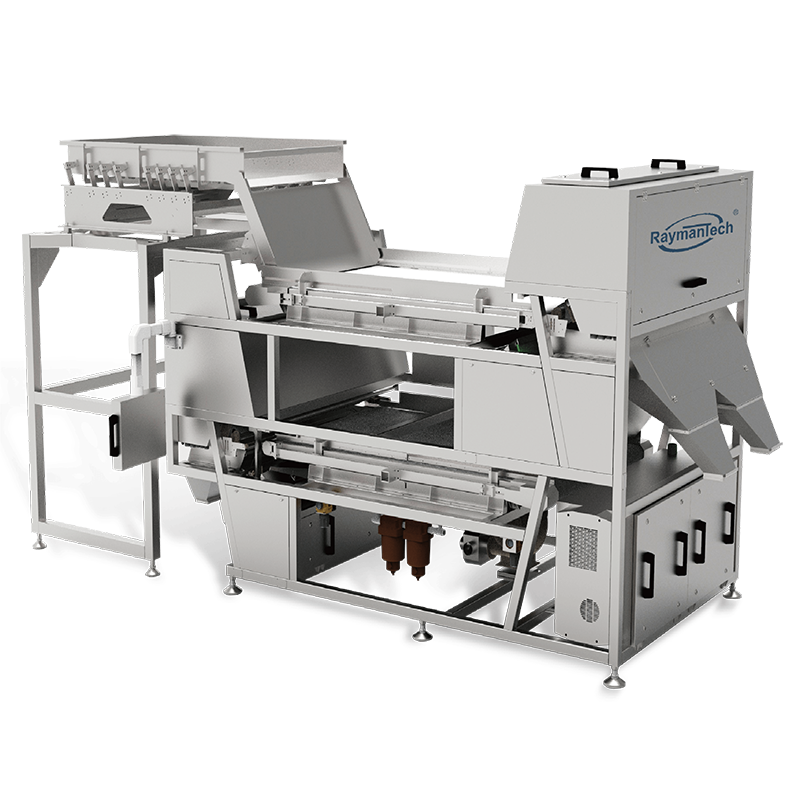
Recommedation: Chili, walnut, peanuts, soybeans, c...
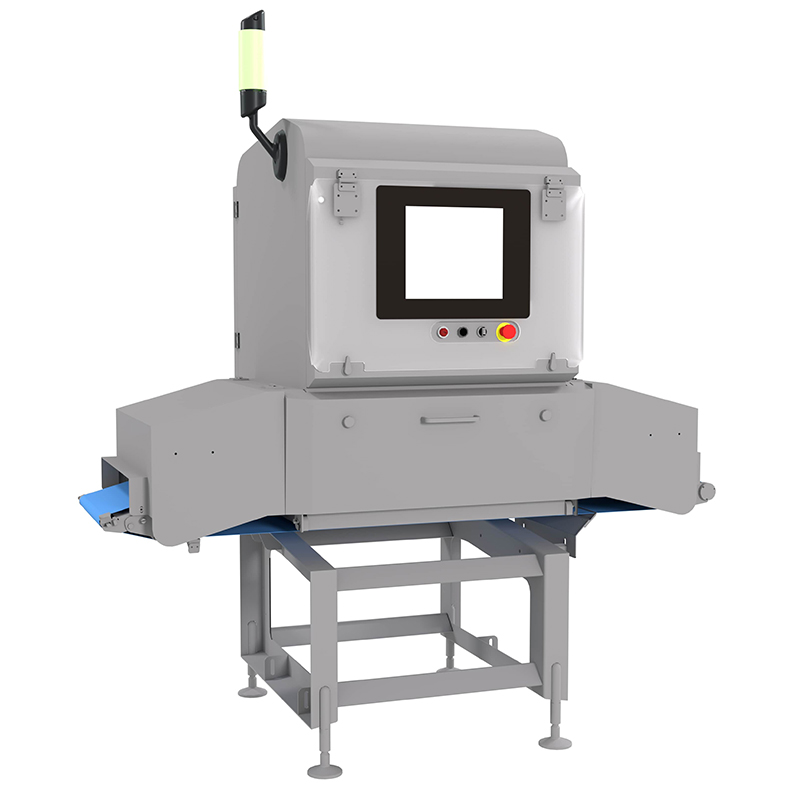
Both fat analysis and contaminant inspection (bone...
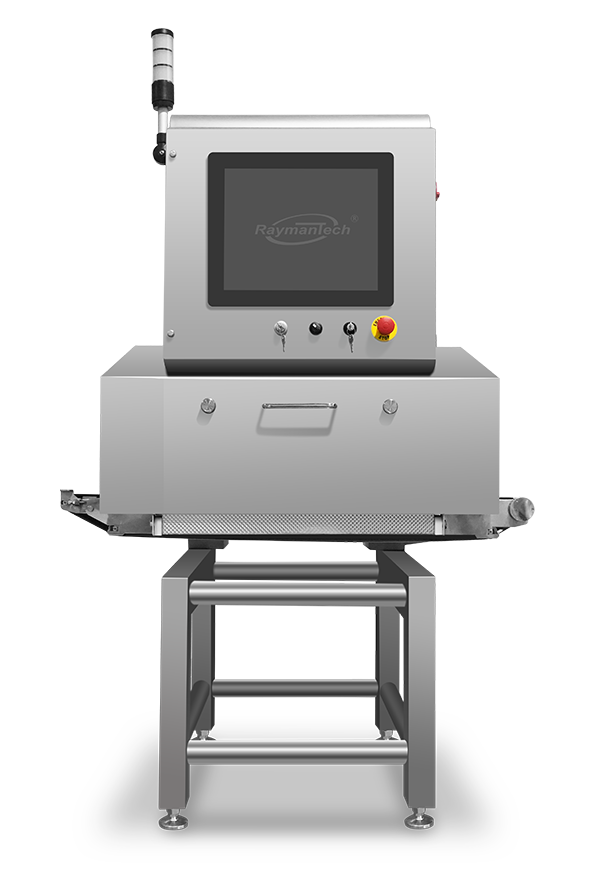
Ultra-fine contaminants detection, UHD X-Ray detec...
.png)
Glass-in-glass / Metal-in-metal inspection, small ...
Select the most popular foreign trade service products to meet your diverse needs
Select the most popular foreign trade service products to meet your diverse needs




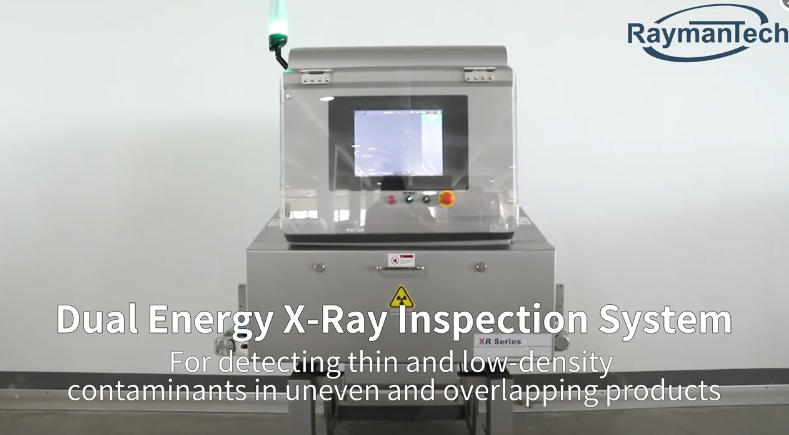




User Comments
Service Experience Sharing from Real Customers
James Wilson
Quality Control ManagerThis x-ray system has revolutionized our quality control. It detects even the smallest metal fragments in our pastries with incredible accuracy, ensuring absolute safety for our customers. The false reject rate is impressively low.
Sophia Chen
Production SupervisorAs a high-volume artisan bakery, downtime is our enemy. This inspection machine is robust and integrates seamlessly into our line. It reliably catches contaminants like plastic or glass without slowing us down. Setup was straightforward.
David Miller
Plant EngineerThe image clarity is outstanding, allowing us to identify not just metals but also density variations like under-baked cores or missing fillings in packaged cakes. It's a powerful tool for both safety and quality assurance.
Emma Rodriguez
Food Safety CoordinatorThis system gives us and our retail partners complete peace of mind. The detailed reporting and audit trails simplify compliance with stringent food safety standards. The customer support team is also highly responsive and knowledgeable.