AI X Ray Tech
AI X Ray Tech
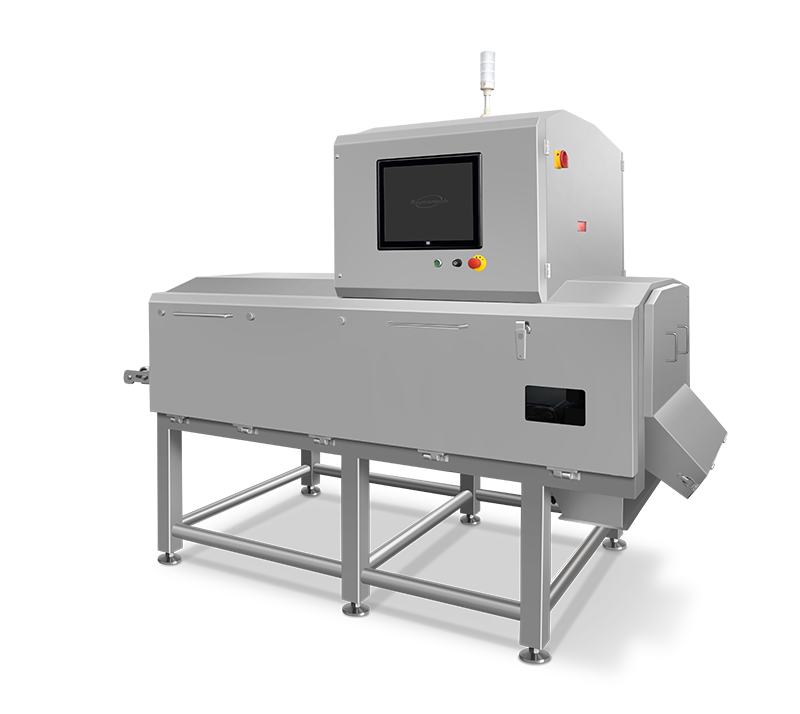
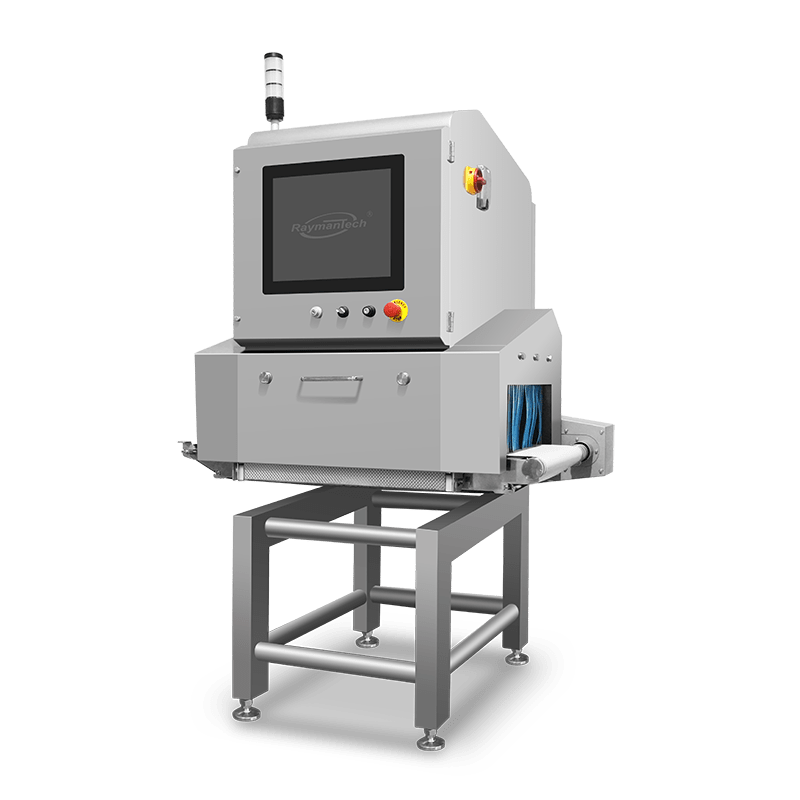
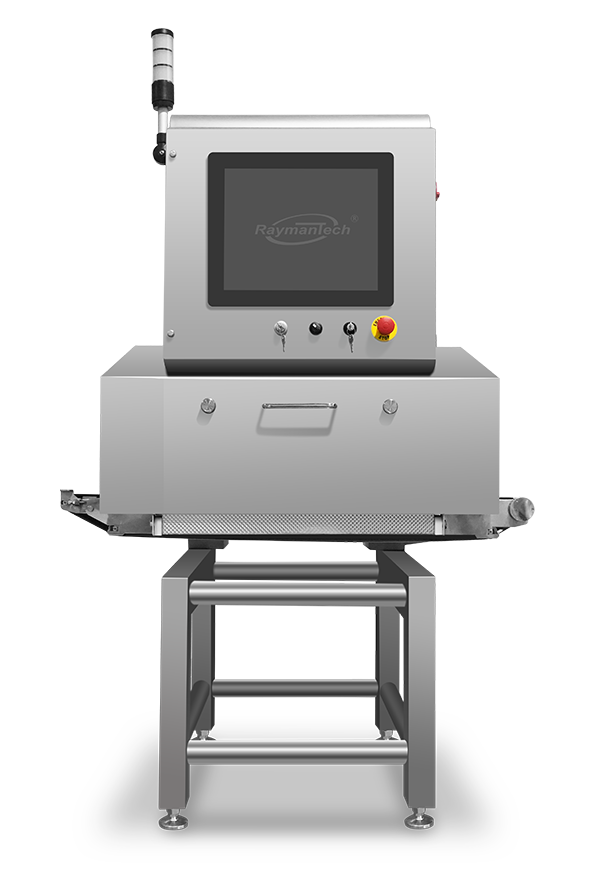
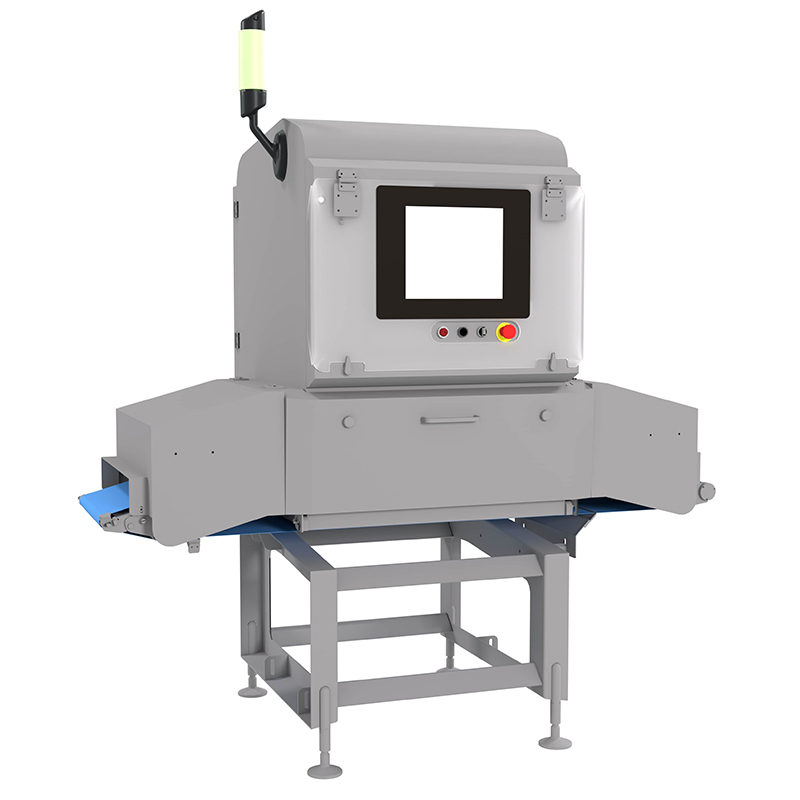
AI X Ray Tech represents a paradigm shift in medical imaging, leveraging sophisticated algorithms to enhance diagnostic accuracy, streamline workflows, and improve patient outcomes. This technology is not a futuristic concept but a present-day reality, with global markets and clinical studies validating its transformative impact. According to a comprehensive report by Grand View Research, the global market for artificial intelligence in medical diagnostics was valued at USD 1.04 billion in 2023 and is projected to expand at a compound annual growth rate (CAGR) of 29.2% from 2024 to 2030, with medical imaging analysis being a primary driver. A pivotal study published in Nature in 2020 demonstrated that an AI system could match the performance of human radiologists in screening breast cancer from mammograms, and when used in conjunction with radiologists, reduced the false negative rate by 5.7% and the false positive rate by 1.2%. These figures are corroborated by real-world implementations; for instance, a 2022 review in the journal *Radiology: Artificial Intelligence* highlighted that AI algorithms for detecting collapsed lungs (pneumothorax) on chest X-rays achieved an area under the receiver operating characteristic curve (AUC) of up to 0.99, nearing perfect accuracy. The integration of AI into Picture Archiving and Communication Systems (PACS) has been shown to reduce radiologists' reporting times by an average of 30%, according to data from several hospital networks in the United States and Europe. This efficiency gain is critical, addressing a 2023 survey by the American College of Radiology which found that radiologist burnout rates exceed 50%, partly due to increasing workload volumes. The technology's utility extends beyond detection to quantification; AI tools can precisely measure tumor burden in lung CT scans, with a 2021 study in *The Lancet Digital Health* reporting a measurement concordance of over 95% with expert radiologists, enabling more precise tracking of treatment response in oncology.
The practical applications of AI X Ray Tech span across numerous clinical domains, delivering tangible benefits documented in extensive clinical literature and health system reports. In emergency medicine, AI algorithms for triaging critical findings such as intracranial hemorrhages on head CT scans have reduced the time-to-notification for life-threatening conditions from hours to minutes in hospitals like Stanford Health Care, as reported in a 2023 case study. For pulmonary diseases, AI models for detecting COVID-19 patterns on chest X-rays, developed during the pandemic, achieved sensitivities above 94% and specificities above 91%, as per a meta-analysis of over 30 studies published in *JMIR Medical Informatics*. In musculoskeletal imaging, AI systems for automatically flagging wrist fractures in emergency settings have demonstrated a specificity of 97.8% and a negative predictive value of 99.4%, effectively ruling out fractures and expediting patient discharge, according to data from the UK's National Health Service (NHS). Furthermore, the financial impact is substantial. A cost-benefit analysis by the consulting firm Frost & Sullivan estimated that AI-driven diagnostic imaging can save the U.S. healthcare system over USD 3 billion annually by 2025 through improved operational efficiency and reduced diagnostic errors. Beyond primary diagnosis, AI is revolutionizing workflow management by automatically prioritizing critical cases in a radiologist's worklist. Data from a large teleradiology provider in 2024 showed that this prioritization led to a 40% faster turnaround time for STAT reports. Quality control is another significant application, with AI tools now capable of instantly assessing X-ray images for technical adequacy, such as patient positioning or exposure, reducing repeat scans by an estimated 15% and consequently lowering patient radiation exposure, as documented by the European Society of Radiology. The continuous learning capability of these systems, fueled by vast datasets, ensures ongoing improvement, with major AI platforms being trained on millions of anonymized images from institutions like the Mayo Clinic and Mass General Brigham to enhance their generalizability and accuracy across diverse patient populations.
 English EN
 中国 CN
中国 CN
.png)


.png)









User Comments
Service Experience Sharing from Real Customers
Michael Chen
Radiology TechnicianThis AI X-ray system has revolutionized our workflow. The automated analysis is incredibly accurate and has reduced our diagnostic time by 40%. The interface is intuitive and requires minimal training.
Sarah Johnson
Medical Imaging SpecialistImpressive technology that consistently helps identify subtle fractures we might otherwise miss. The AI assistance has become an invaluable second opinion in our busy clinic. Minor connectivity issues prevent a perfect score.
David Rodriguez
Chief RadiologistAfter implementing this AI X-ray tech, our diagnostic accuracy has significantly improved. The deep learning algorithms keep getting better with more data. This is exactly what modern healthcare needs - technology that enhances human expertise.
Jennifer Park
Orthopedic SurgeonAs a surgeon, I rely on precise imaging. This AI system provides exceptional bone structure analysis and has helped us detect early-stage pathologies much earlier. The 3D reconstruction feature is particularly outstanding for surgical planning.