
 English EN
 Germany DE
 French FR
 Portuguese PT
 Spanish ES
Top Broccoli Sorting Machines for Food Processing Plants
Top food processing plants trust RaymanTech, TOMRA, Kerian, and GELGOOG for reliable broccoli sorting machine solutions. These advanced machines help maintain quality, protect food safety, and keep operations efficient. Choosing the right option depends on several factors. Look at technology, accuracy, throughput, and vendor support. Match machine features to the needs and scale of your broccoli processing line for the best results.
Key Takeaways
Choose the right broccoli sorting machine based on technology, accuracy, and throughput to enhance processing efficiency.
Opt for machines like RaymanTech and TOMRA for high accuracy and reliability, ensuring only quality broccoli reaches the market.
Consider ease of use and maintenance when selecting equipment to minimize downtime and operational costs.
Look for sorting machines that adapt to different broccoli sizes and varieties to maintain flexibility in processing.
Invest in vendor support and service to ensure long-term performance and compliance with food safety standards.
Leading Broccoli Sorting Machine Brands
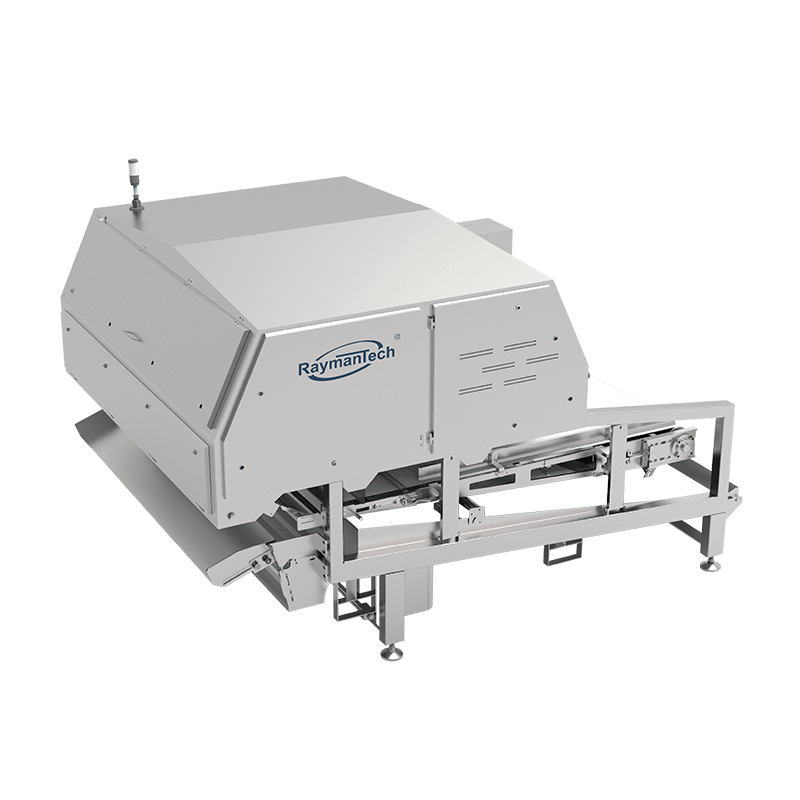
RaymanTech AI Multi Beam Belt Optical Sorter
RaymanTech stands out in the world of vegetable sorting machines with its AI Multi Beam Belt Optical Sorter. This broccoli sorting machine uses advanced technology to deliver high accuracy and efficiency for both fresh and frozen vegetables. The system uses multi-spectral cameras and 360-degree imaging to detect even the smallest defects or foreign materials. It works well with dry, wet, and frozen products, making it a flexible choice for many processing plants. The quick-release belt design allows for easy cleaning and maintenance, which helps reduce downtime and keeps production running smoothly.
Feature | Description |
|---|---|
Application | Suitable for dry, wet, and frozen materials. |
Imaging Capability | Multi-view imaging providing nearly 360° coverage for micro-defect detection. |
Efficiency | Effective in detecting defects in hard-to-reach areas. |
RaymanTech’s broccoli sorting machine helps processors maintain high standards for food safety and quality. The AI-powered system can identify color defects, damage, and hazardous materials, ensuring only the best broccoli reaches the market.
TOMRA Optical Sorting Solutions
TOMRA is a global leader in vegetable sorting machines. Its optical sorting solutions use sensor-based technology to separate contaminants and defects from broccoli and other vegetables. The machines feature high-resolution imaging and artificial intelligence, which work together to improve sorting accuracy and adapt to different product types. Real-time data monitoring gives operators instant feedback, making it easier to adjust settings and maintain consistent quality.
Technology Type | Description |
|---|---|
Sensor-based sorting | Utilizes sensors to identify and separate contaminants and defects in broccoli and other products. |
Advanced imaging | Employs high-resolution imaging to enhance detection accuracy. |
Artificial intelligence | Integrates AI to improve sorting efficiency and adapt to various product types. |
Real-time data monitoring | Provides operators with immediate feedback for better decision-making and operational efficiency. |
TOMRA’s broccoli sorting machine is known for its reliability and ability to handle large volumes. The combination of advanced sensors and AI makes it a top choice for processors who want to maximize yield and minimize waste.
Kerian Broccoli Sizer
Kerian specializes in gentle sizing and sorting solutions for broccoli and other vegetables. The Kerian Broccoli Sizer uses a mechanical system that sorts broccoli by size without causing damage. This broccoli sorting machine is ideal for processors who need to sort large quantities quickly while preserving the natural appearance of the product. The gentle handling reduces bruising and waste, which is important for maintaining quality in fresh produce.
Kerian’s machines are easy to operate and maintain. They fit well into existing processing lines and can be adjusted for different sizes and varieties of broccoli. Many food processing plants choose Kerian for its simple design and reliable performance.
GELGOOG Automated Sorting Line
GELGOOG offers a fully automated sorting line designed for high productivity and quality control. This broccoli sorting machine uses AI vision technology to sort broccoli by visual quality and non-destructive inspection methods to check internal taste. The system includes an IoT platform for real-time data collection and management, which helps operators monitor performance and make informed decisions.
Feature | Description |
|---|---|
Operational Efficiency | Mechanical grading to enhance productivity and reduce manual labor. |
Superior Visual Quality | AI vision technology ensures high-quality visual sorting of broccoli. |
Perfect Internal Taste | Non-destructive inspection methods assess the internal quality of broccoli without damage. |
Data-Driven Management | IoT platform for real-time data collection and management, improving operational oversight. |
GELGOOG’s vegetable sorting machines are popular in plants that want to automate their sorting process and improve both visual and internal quality. The combination of AI and IoT makes this broccoli sorting machine a smart investment for modern food processors.
Broccoli Sorting Machine Technology
Optical and AI-Powered Sorting
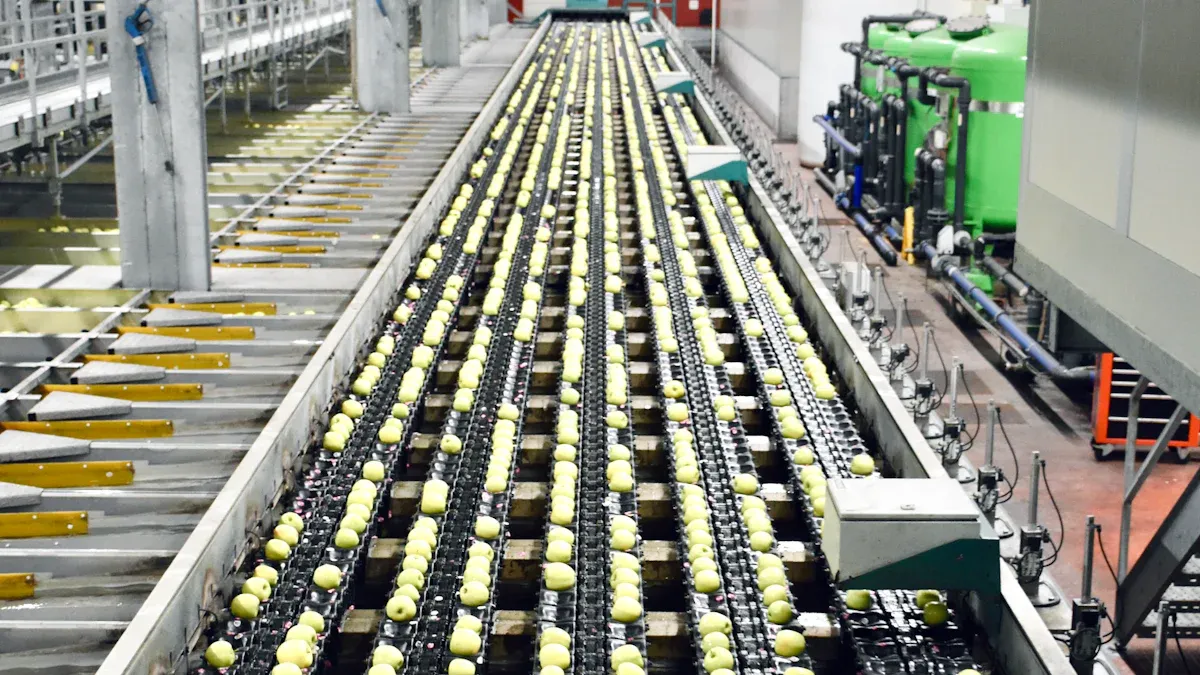
Modern broccoli sorting machines rely on advanced sensor-based sorting to deliver high throughput and precision. These machines use optical sensors and artificial intelligence to inspect every piece of broccoli on the line. RaymanTech’s system features 360-degree multi-view imaging, which captures all sides of each floret. This technology helps identify color defects, foreign materials, and even micro-impurities. TOMRA’s sensor-based sorting solutions also use high-speed optical sorting to separate good broccoli from defective pieces. The ai capabilities in these machines allow them to learn and adapt to different broccoli varieties and processing conditions. Operators can adjust settings to create customizable sorting systems that fit their plant’s needs.
Multi-Spectral Imaging and Detection
Multi-spectral imaging is a key part of sorting accuracy in today’s food processing plants. These systems use several types of cameras, including near-infrared (NIR) and hyperspectral imaging (HSI). NIR spectroscopy analyzes the nutrient composition of broccoli by reading spectral features. Hyperspectral imaging captures detailed images that combine color and chemical information. This approach allows machines to classify broccoli based on both appearance and internal quality. Sensor-based sorting with multi-spectral cameras ensures that only the best broccoli passes through to the next stage.
Near-infrared (NIR) spectroscopy checks for nutrient content.
Hyperspectral imaging (HSI) provides rapid, nondestructive detection.
Multi-spectral cameras improve defect and contaminant detection.
High-Precision Ejection Systems
After detection, high-precision ejection systems remove unwanted items from the processing line. These systems use targeted air jets or mechanical arms to separate defective broccoli without damaging the good product. RaymanTech and TOMRA both use sensor-based sorting to trigger these ejection mechanisms at the right moment. This process keeps the line moving quickly and maintains product quality. High-speed optical sorting and sensor-based sorting work together to ensure consistent results and reduce waste.
Note: The combination of these technologies helps food processors achieve reliable sorting accuracy and maintain high standards for food safety.
Evaluation Criteria for Broccoli Sorting Machines
Sorting Accuracy and Consistency
Sorting accuracy is essential for industrial vegetable fruit grading equipment. Processors need machines that can consistently remove defects and foreign materials from broccoli. RaymanTech’s AI Multi Beam Belt Optical Sorter uses advanced technology to reach up to 99.9% accuracy for sorting. TOMRA’s sorting solutions also improve contaminant detection rates by 20%. Consistent sorting ensures food safety and quality for every batch. Sorting and weighing machines must deliver reliable results for both fresh and frozen broccoli.
RaymanTech: Up to 99.9% sorting accuracy for vegetables.
TOMRA: Increased contaminant detection rates by 20%.
Kerian: Gentle mechanical sorting for size consistency.
GELGOOG: AI vision for visual and internal quality sorting.
Throughput and Speed
Throughput measures how much broccoli a machine can sort in a given time. High throughput capacity is important for large-scale operations. Automated sorting lines from RaymanTech and TOMRA handle high-speed sorting with minimal downtime. GELGOOG’s industrial vegetable fruit grading equipment also supports fast sorting for busy plants. Kerian’s machines focus on quick sizing without damaging the product.
Ease of Use and Maintenance
Operators need vegetable grading equipment that is easy to use and maintain. RaymanTech features a quick-release belt for simple cleaning. TOMRA and GELGOOG offer user-friendly interfaces and remote maintenance options. Kerian’s machines have a straightforward design for easy operation.
Flexibility and Adaptability
Sorting machines must adapt to different broccoli sizes and varieties. The table below shows key factors that affect adaptability:
Factor | Description |
|---|---|
Uniformity of Head Size | Important for efficient sorting and harvesting. |
Planting Density | Affects crop uniformity and sorting machine calibration. |
Varietal Traits | Traits like stalk diameter help adjust sorting machines for different broccoli types. |
RaymanTech and TOMRA use AI to adjust sorting for various broccoli types. GELGOOG and Kerian allow for manual or automatic adjustments.
Energy Efficiency and Cost
Energy efficiency helps reduce operating costs in industrial food processing machinery. RaymanTech and TOMRA design advanced vegetable and fruit grading equipment to save energy while maintaining high throughput. GELGOOG’s automatic fruit and vegetable weight grading machine also focuses on cost-effective sorting.
Vendor Support and Service
Vendor support is vital for long-term success. RaymanTech provides full service, including consultation, training, and maintenance. TOMRA offers specialized support and remote solutions. GELGOOG and Kerian also provide after-sales service to keep sorting machines running smoothly.
Tip: Choose a vendor with strong support to maximize uptime and performance.
Real-World Applications
Fresh Broccoli Processing
Broccoli sorting machines play a key role in fresh vegetable processing lines. These machines help ensure that only high-quality broccoli reaches the market. In many commercial plants, the process starts with cutting machines that separate broccoli heads into uniform florets. This step improves yield and creates consistent pieces for packaging. Washing machines then clean the florets using air bubbles, which remove dirt and debris. Sorting machines like RaymanTech and TOMRA inspect each floret for color, size, and defects. The result is a smooth workflow from raw broccoli to finished product.
Equipment Type | Function |
|---|---|
Broccoli Cauliflower Floret Cutting Machine | Separates whole broccoli heads into uniform florets, improving yield and ensuring consistent cuts for packaging. |
Air Bubble Vegetable Washing Machine | Acts as a central component in the processing line, facilitating a high-efficiency, automated workflow from raw vegetables to finished products. |
Frozen Broccoli Sorting
Frozen broccoli requires special handling. Sorting machines must work in cold, high-moisture environments. RaymanTech’s AI Multi Beam Belt Optical Sorter can detect defects in frozen broccoli, such as discoloration or clumping. The machine uses multi-spectral cameras and high-precision ejection to remove unwanted pieces. TOMRA’s sensor-based systems also perform well with frozen products. These machines help processors maintain quality and safety, even when working with challenging frozen batches.
Tip: Using advanced sorting machines for frozen broccoli helps reduce waste and ensures every package meets strict quality standards.
Case Studies from Food Processing Plants
Food processing plants have seen strong results after adding advanced sorting machines. RaymanTech and TOMRA systems have improved defect removal rates and increased processing capacity. Plants report higher yields and lower operational costs. The table below shows the impact of these machines in real-world settings.
Metric | Improvement |
|---|---|
Defect Removal Rate | Exceeds 99% |
Processing Capacity | Up to 5,000 kg/hour |
Overall Yield Increase | 15–20% |
Operational Cost Reduction | Up to 30% |
These results show that modern broccoli sorting machines can transform plant operations. Processors can deliver safer, higher-quality products while saving time and money.
Industry Trends and Future Outlook
Advances in Broccoli Sorting Machine Technology
Broccoli sorting machines are changing quickly. New technology is making these machines smarter and more efficient. Many companies now use automation to improve sorting accuracy and speed. AI and sensors help identify ripe broccoli, which makes the harvesting process better. High-speed cameras and intelligent algorithms scan, grade, and sort broccoli in real time. This reduces waste and increases precision. Robotics are also becoming part of the process, showing how automation can adapt to different tasks in crop management.
AI and sensors identify ripe broccoli for better harvesting.
High-speed cameras and smart algorithms scan and sort crops quickly.
Robotics add flexibility and efficiency to sorting and handling.
The market for broccoli sorting machines is growing fast. Experts predict that the global Broccoli Harvest Robot market will reach $1.17 billion by 2033. This growth comes from new technology, government support, and the rising need for automation in agriculture. Many food processing plants are investing in automation to stay competitive and meet higher production demands.
Sustainability and Regulatory Compliance
Sustainability is a key focus for the food industry. Automation helps reduce energy use and waste, which supports eco-friendly practices. Modern sorting machines use less power and produce less waste by removing only the defective pieces. This means more good broccoli reaches the market, and less ends up in landfills.
Regulatory changes also shape the design of sorting machines. Food safety standards are stricter than ever. Automation allows machines to track and trace every batch of broccoli. New systems can even detect pathogens before products leave the plant. The shift toward preventative food safety means machines must use advanced technology to meet these rules. Companies like RaymanTech, TOMRA, Kerian, and GELGOOG update their automation systems to follow new regulations and market needs.
Note: Automation will continue to drive innovation in broccoli sorting, making plants safer, greener, and more productive.
Selecting the right broccoli sorting machine requires careful evaluation. Key factors include:
Sorting accuracy for consistent quality
Throughput capacity for processing needs
Ease of use for efficient operation
Flexibility and scalability
Energy efficiency
Cost and return on investment
Vendor support and service
Requesting demos and quotes from vendors helps compare real-world performance. Useful resources include demo bookings, product catalogs, and automation guides.
Benefit | Description |
|---|---|
Compliance with legal standards | Meets regulatory requirements and avoids legal issues. |
Operational efficiency | Adopting new technology improves productivity. |
Enhanced product quality | Staying informed ensures high-quality broccoli meets market demands. |
FAQ
What is the main purpose of broccoli sorting equipment in food processing plants?
Broccoli sorting equipment helps plants improve processing efficiency. This equipment removes defects and foreign materials. It also ensures accurate grading. Plants use this equipment to meet strict food safety standards and deliver high-quality broccoli to customers.
How does optical sorting technology improve broccoli grading?
Optical sorting technology uses cameras and sensors to inspect broccoli during processing. This equipment detects color, size, and shape differences. It then sorts and grades broccoli quickly. Plants achieve better grading accuracy and reduce waste with this advanced equipment.
Can broccoli sorting equipment handle both fresh and frozen processing?
Yes, modern broccoli sorting equipment works for both fresh and frozen processing. The equipment adapts to different temperatures and moisture levels. This flexibility helps plants maintain grading standards and processing speed for all types of broccoli products.
Why is grading consistency important in broccoli processing?
Grading consistency ensures every batch of broccoli meets quality standards. Consistent grading helps plants avoid customer complaints. It also supports efficient processing and packaging. Reliable equipment makes grading easier and improves overall plant performance.
What should plants consider when choosing broccoli grading equipment?
Plants should look at processing speed, grading accuracy, and equipment reliability. They must also check if the equipment fits their processing line. Good vendor support and easy maintenance help plants keep equipment running smoothly for grading and processing.

Related Articles
-
 Apr-20-2026
How Safe is X-ray Inspection of Food?
Consumers and manufacturers alike worry about contamination in food – broken glass, metal fragments, plastic or stone – entering a product and harming someone or prompting a recall. X-ray inspection systems have become a key solution: conveyors carrying packaged or unpackaged food pass through a shielded X-ray machine that “sees” inside each item. This technology complements traditional metal detectors and manual checks to catch a wider range of hazards. Importantly, extensive research and industry experience show that food X-ray inspection is extremely safe. Nearly everything we eat – from spices to snacks – is X-rayed at some point during production, and regulatory bodies (like the FDA) report “no known adverse effects” from the low-dose X-ray scans used in food plants.learn more -
.webp) Apr-20-2026
Apr-20-2026Evaluating Top Peanuts Sorting Machines for Quality and Efficiency
Compare top peanuts sorting machines for quality, efficiency, and easy maintenance. Find the best peanuts sorting machine for your processing needs.learn more -
.webp) Apr-20-2026
Apr-20-2026Top Broccoli Sorting Machines for Food Processing Plants
Compare top broccoli sorting machine brands for food processing plants. Find solutions for accuracy, throughput, and quality in fresh and frozen broccoli.learn more




Follow us:


