 English EN
 Germany DE
 French FR
 Portuguese PT
 Spanish ES
.webp)
.webp)
Hygienic Design in Food Optical Sorting Machines: Improving Food Safety and Cleaning Efficiency
In the following sections, we explore the key hygi...
More

Sorting equipment for food drives rapid change in processing plants. Advanced models from TOMRA, Bühler, Key Technology, and Sesotec use AI and imaging for greater precision.
The global market size will reach US$ 2565 million by 2032.
Expected growth stands at 4.7% CAGR from 2026 to 2032.
Sorting equipment for food must deliver precise and repeatable results. Leading machines use deep learning and advanced imaging to achieve accuracy rates as high as 99.99% for sorting tasks. Smart software enables multiple inspection passes, ensuring consistent grading even when product quality varies. These systems minimize human error and maintain high standards across shifts.
Production efficiency depends on how quickly equipment processes food. High-speed conveyor systems can sort thousands of items per hour, far surpassing manual labor. For example, optical sorters handle between 0.2 and 3.0 tons per hour, depending on the model. Automated sorting maintains consistent speed and quality, reducing downtime and boosting overall capacity.
Modern sorting equipment for food integrates artificial intelligence, proprietary sensors, and multi-wavelength scanning. These features enable real-time defect detection and pixel-level accuracy. Machines now use pulsed LED sensors and robust mechanical designs to ensure reliability and minimal false rejects.
Seamless integration with existing automation systems is essential. Many machines connect with warehouse management software and control systems, allowing for intelligent routing and data exchange. Pick-and-place robots and smart control software further enhance workflow efficiency.
Routine maintenance keeps equipment running smoothly. High-usage lines require service every three months, while low-traffic systems need annual checks. Remote diagnostics and monitoring reduce downtime and support reliable operation.
Advanced sorting equipment for food represents a significant investment, with prices ranging from $150,000 to $500,000. However, automation reduces labor costs and waste, improving long-term return on investment for processors.
Processors need equipment that adapts to changing needs. Leading models offer high-precision sensors, real-time monitoring, and multi-parameter sorting. These features support a range of industries, from agriculture to seafood, and allow for easy scaling as production grows.
Vendor reputation matters. TOMRA, Bühler, Key Technology, and Sesotec each offer specialized support and innovative solutions. Their global presence and focus on food safety, automation, and remote maintenance ensure reliable partnerships for processors.
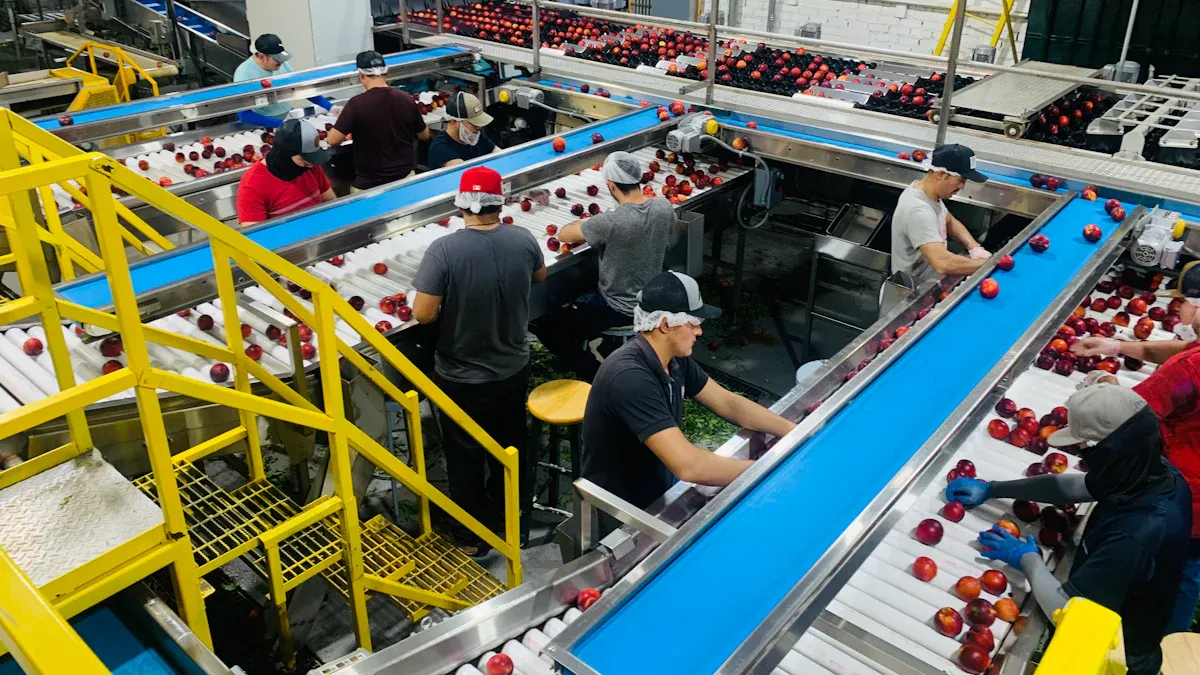
TOMRA 6C Series stands out in the market for its sensor-based sorting capabilities. The system uses advanced imaging and artificial intelligence to detect contaminants and defects in food products. TOMRA engineers have designed the 6C Series to increase contaminant detection rates by 20% in pilot programs, especially in recycling and food processing environments. The machine adapts to different product types, making it suitable for processors handling fruits, vegetables, and nuts. Operators benefit from real-time data monitoring and automated calibration, which helps maintain high accuracy and throughput. TOMRA’s global support network ensures reliable operation and quick troubleshooting.
Bühler SORTEX F Optical Sorter delivers exceptional performance for grains, nuts, and seeds. The machine achieves 99% accuracy in sorting wheat from debris, as demonstrated in recent pilot programs. Bühler engineers have equipped the SORTEX F with proprietary detection technologies that identify foreign materials as small as 0.6 mm. The sorter removes defects such as stained shells, insect damage, and foreign objects like sticks and rocks. It sorts both in-shell and shelled pistachios, improving product quality by eliminating moldy or decayed nuts. The SORTEX F features a hygienic design with stainless steel construction and food-grade safe fixings. FDA approval for cleaning and complete wash-down supports high standards of food safety.
Tip: Processors seeking reliable defect removal and enhanced product quality often choose Bühler SORTEX F for its advanced detection and hygienic design.
Key Technology VERYX Digital Sorter offers high-speed optical sorting for fresh produce and processed foods. The system uses multi-sensor technology to inspect products at pixel-level detail. VERYX machines deliver consistent sorting accuracy and handle large volumes efficiently. Operators can customize sorting parameters for different product types, which increases flexibility in production lines. The digital sorter integrates with automation systems, allowing seamless data exchange and intelligent routing. Key Technology’s reputation for innovation and support makes VERYX a preferred choice for processors aiming to boost throughput and maintain quality.
Sesotec Rapid 8000 provides solutions for food, plastics, and recycling sectors. The machine uses advanced metal detection and sorting technologies to remove contaminants from food products. Rapid 8000 adapts to various processing environments, supporting both bulk and packaged goods. The system features easy-to-use controls and remote monitoring, which simplifies maintenance and reduces downtime. Sesotec’s global presence and commitment to food safety ensure reliable support for processors. The Rapid 8000 fits into automated production lines, helping companies meet strict quality standards.
| Company | Strengths & Developments | Performance Metrics |
|---|---|---|
| Bühler Group | Advanced sorting solutions for grains, nuts, and seeds | Achieved 99% accuracy in sorting wheat from debris during a pilot program. |
| Tomra Systems | Specializes in sensor-based sorting for recycling and food | Increased contaminant detection rates by 20% in a recycling plant pilot. |
| Key Technology | High-speed optical sorters for fresh produce and processed foods | N/A |
| Sesotec | Solutions for plastics, food, and recycling sectors | N/A |
Sorting equipment for food continues to evolve, with each manufacturer focusing on accuracy, speed, and adaptability. TOMRA, Bühler, Key Technology, and Sesotec offer machines that meet the demands of modern food processing, helping companies improve product quality and operational efficiency.
Pros:
Delivers high detection accuracy with advanced sensors.
Adapts quickly to different food types.
Offers real-time data monitoring for process control.
Provides strong global support and remote troubleshooting.
Cons:
Requires a significant initial investment.
Needs skilled operators for optimal performance.
Note: TOMRA 6C Series suits processors who demand flexibility and top-tier contaminant removal.
| Pros | Cons |
|---|---|
| Exceptional accuracy for grains, nuts, and seeds | Higher maintenance due to complex optics |
| Hygienic design with FDA approval | May require more frequent cleaning |
| Detects small foreign materials | Larger footprint in processing lines |
Pros:
Handles high throughput with consistent accuracy.
Customizable sorting parameters for various products.
Integrates easily with automation systems.
Cons:
May have a steeper learning curve for new users.
Upgrades can increase total cost of ownership.
Pros:
Excels at metal detection and contaminant removal.
Supports both bulk and packaged goods.
Simple controls and remote monitoring reduce downtime.
Cons:
Less effective for visual defects compared to optical sorters.
Limited customization for specialty products.
Sorting equipment for food continues to evolve, offering processors a range of strengths and trade-offs. Each machine addresses specific needs, from contaminant detection to integration and hygiene.
Small and medium-sized processors often operate with limited budgets and space. They need machines that balance cost, output, and automation. Choosing the right system starts with understanding unique operational requirements. Many local farms and mid-sized companies prefer compact or medium-capacity machines. These models offer precision without overwhelming the facility. The table below highlights how operation size influences machine selection:
| Operation Size | Machine Type | Characteristics |
|---|---|---|
| Small-scale | Small-capacity machines | Preferred for local farms, focusing on cost and automation for precision. |
| Medium-sized | Medium-capacity machines | Balances cost and output, suitable for mid-sized processors. |
| Large-scale | High-capacity machines | Utilized for bulk quantities, emphasizing efficiency and automation. |
Tip: Modular designs allow small processors to upgrade as their business grows.
Large-scale operations require high-capacity machines that deliver efficiency and automation. These processors handle bulk quantities and demand robust integration with existing workflows. Partnering with experienced suppliers ensures access to tailored solutions and technical expertise. Hygiene compliance and ease of integration also play a critical role in maintaining food safety and minimizing disruptions.
Specialty and niche processors often face unique challenges. They may need sorting equipment for food that handles unusual product shapes or strict quality standards. Advanced technology features, such as customizable sorting parameters and real-time monitoring, help meet these demands. Evaluating cost against value and ensuring supplier experience supports long-term adaptability.
| Factor | Description |
|---|---|
| Specific Business Needs | Understanding unique operational requirements is crucial for selecting appropriate sorting equipment. |
| Supplier Experience | Partnering with established suppliers ensures access to tailored solutions and expertise. |
| Sorting Machine Features | Advanced technology capabilities enhance sorting accuracy and speed, impacting overall efficiency. |
| Cost and Value | Evaluating costs against the value provided helps in making cost-effective decisions. |
| Hygiene Compliance | Adhering to food safety standards is essential in the food processing industry. |
| Modular Design | Allows for system upgrades as technology evolves, ensuring long-term adaptability. |
| Integration Ease | Smooth integration with existing workflows minimizes disruptions and accelerates ROI. |
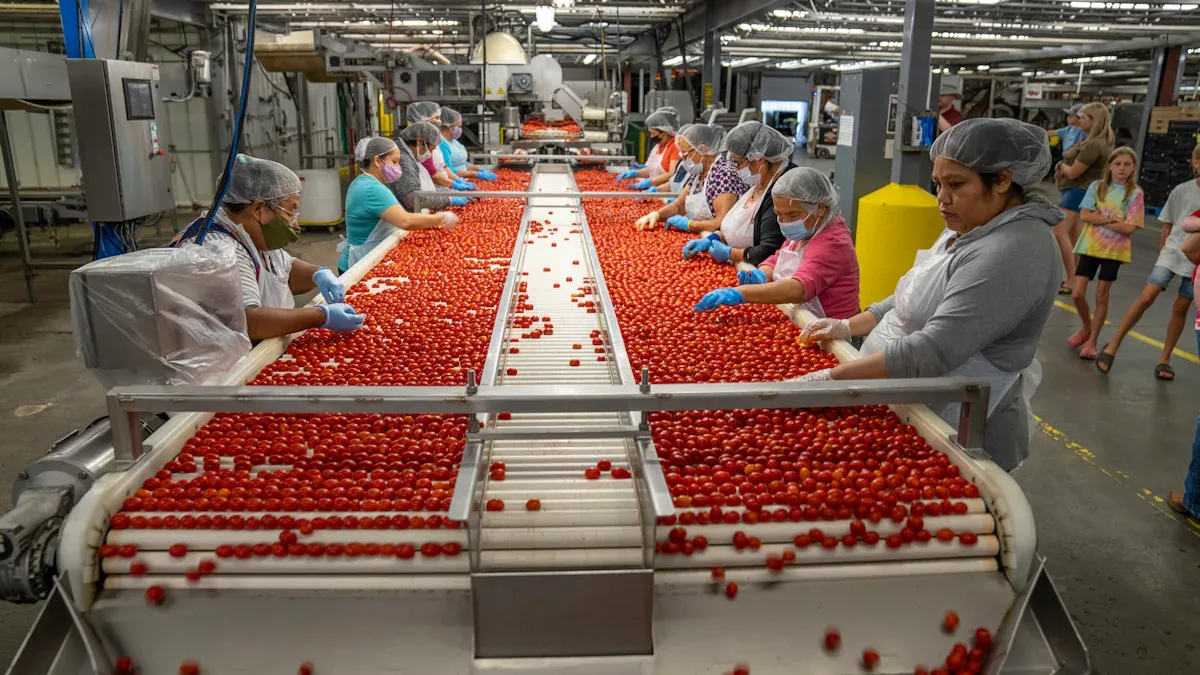
Vegetable processors have seen measurable gains after adopting advanced sorting systems. Digital sorters optimize raw material use and help identify bottlenecks in the line. These improvements lead to higher yields and lower operational costs.
Processors report a 1% increase in yield, which translates to greater output and revenue.
Data analysis from sorting machines uncovers inefficiencies, allowing teams to address issues quickly.
Enhanced line efficiency reduces waste and maximizes the value of each harvest.
A small change in yield can make a significant difference in profitability for vegetable processors.
Nut processors face pressure to deliver high-quality, contamination-free products. Automated sorting machines have transformed these facilities by streamlining operations and improving accuracy. Labor costs have dropped significantly as machines handle tasks that once required manual inspection. Facilities in major nut-producing regions now invest in automation to boost product quality and marketability. This shift allows companies to reallocate workers to higher-value roles and meet rising demand without increasing headcount.
Frozen food processors must maintain strict safety standards. Modern sorting equipment for food detects contaminants and foreign objects before packaging. Operators use real-time monitoring to ensure every batch meets regulatory requirements. This technology reduces the risk of recalls and protects brand reputation. Companies that invest in advanced sorters demonstrate a strong commitment to consumer safety and product integrity.
AI and machine learning continue to transform food sorting equipment. Machines now learn from data to improve their performance over time. This technology identifies food defects and contaminants with greater speed and accuracy. High-resolution imaging works with AI to boost operational efficiency. Automation technology also advances, driving market growth and helping processors meet strict food safety standards. These innovations ensure that sorting equipment not only detects problems but also adapts to new challenges in real time.
Processors who invest in AI-driven sorters see faster inspections and fewer errors, which supports compliance with food safety regulations.
Sustainability shapes the future of food sorting. Manufacturers design machines that use less energy and produce less waste. Energy-efficient motors and smart power management systems lower operational costs. Many companies now choose equipment with recyclable materials and eco-friendly designs. These efforts help processors reduce their environmental impact while maintaining high productivity.
Energy-saving features lower utility bills.
Eco-friendly materials support green certifications.
Reduced waste aligns with global sustainability goals.
Customization and modularity define the next generation of sorting equipment. Processors demand machines that fit their unique products and workflows. Modular systems allow easy upgrades and quick changes to meet shifting market needs. Customizable software lets operators set sorting parameters for different batches. This flexibility ensures that equipment remains valuable as business requirements evolve.
| Feature | Benefit |
|---|---|
| Modular design | Easy upgrades and expansion |
| Custom software | Tailored sorting performance |
| Flexible hardware | Adapts to new product types |
The best sorting equipment for food in 2026 delivers unmatched precision, speed, and smart technology. Processors who evaluate features, costs, and vendor support find the right fit for their needs. Ongoing innovation in this field promises greater efficiency and quality for food processing operations in the future.
Sorting machines process fruits, vegetables, nuts, grains, seafood, and packaged goods. Each model supports specific product types based on sensor technology and design.
Processors should schedule maintenance every three months for high-usage lines. Annual checks suit low-traffic systems. Regular service ensures reliable operation and reduces downtime.
Yes. Advanced sorters detect contaminants and foreign objects before packaging. This technology helps processors meet safety standards and protect consumer health.

We provide you with comprehensive foreign trade solutions to help enterprises achieve global development
.webp)
Glass-in-glass / Metal-in-metal inspection, small ...
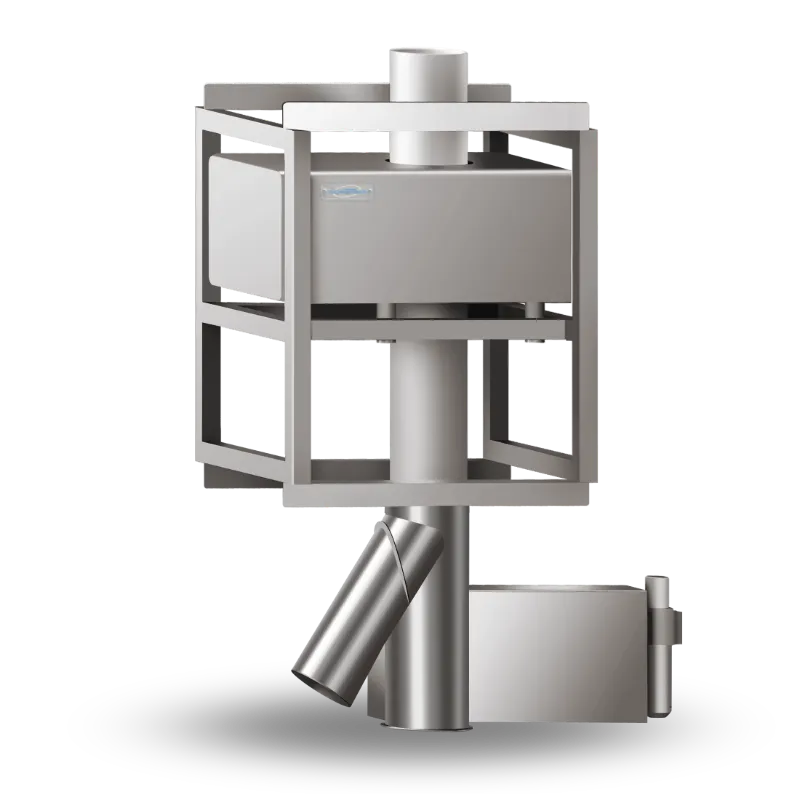
RaymanTech Gravity Fall Metal Detector detects fer...
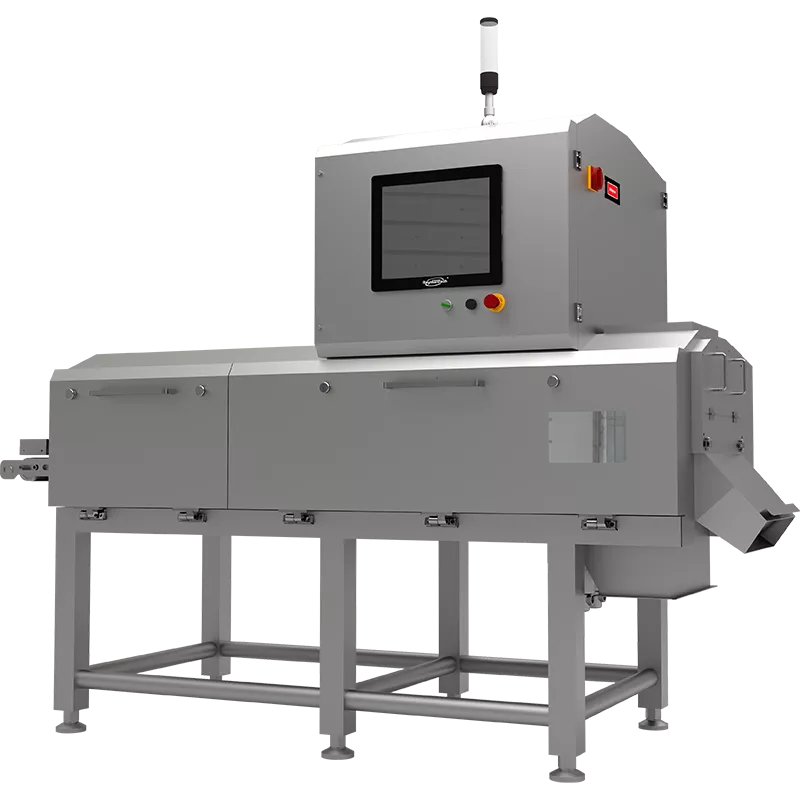
Conventional and unconventional contaminant detect...
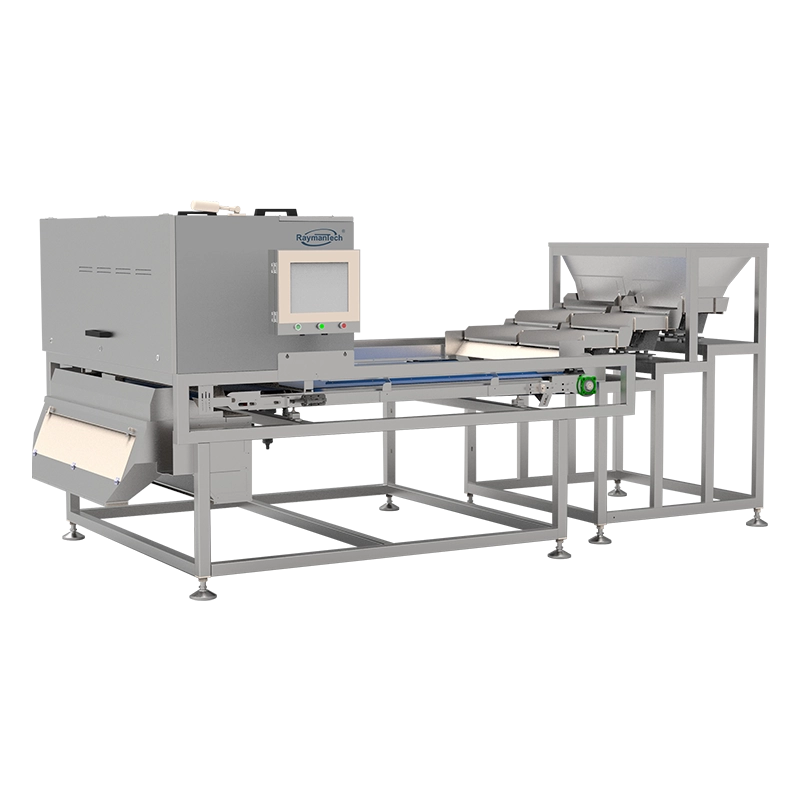
Recommedation: Small particle, flat products such ...
Select the most popular foreign trade service products to meet your diverse needs
Select the most popular foreign trade service products to meet your diverse needs


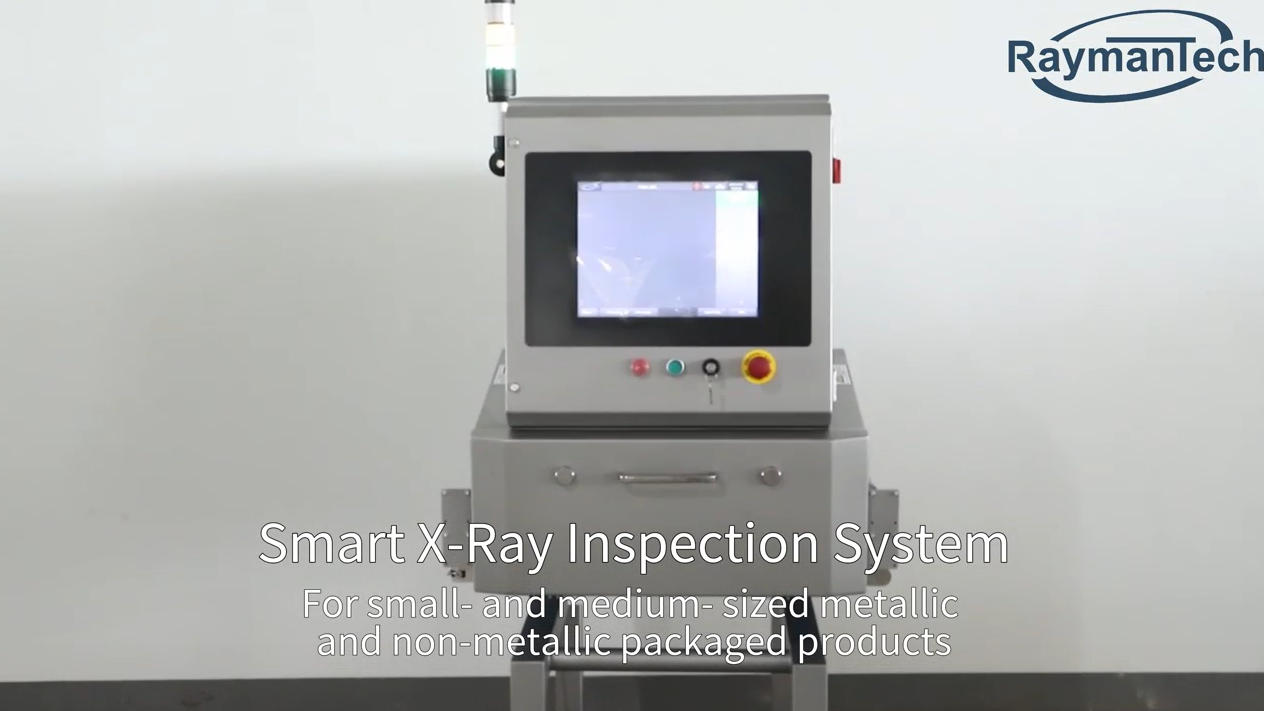

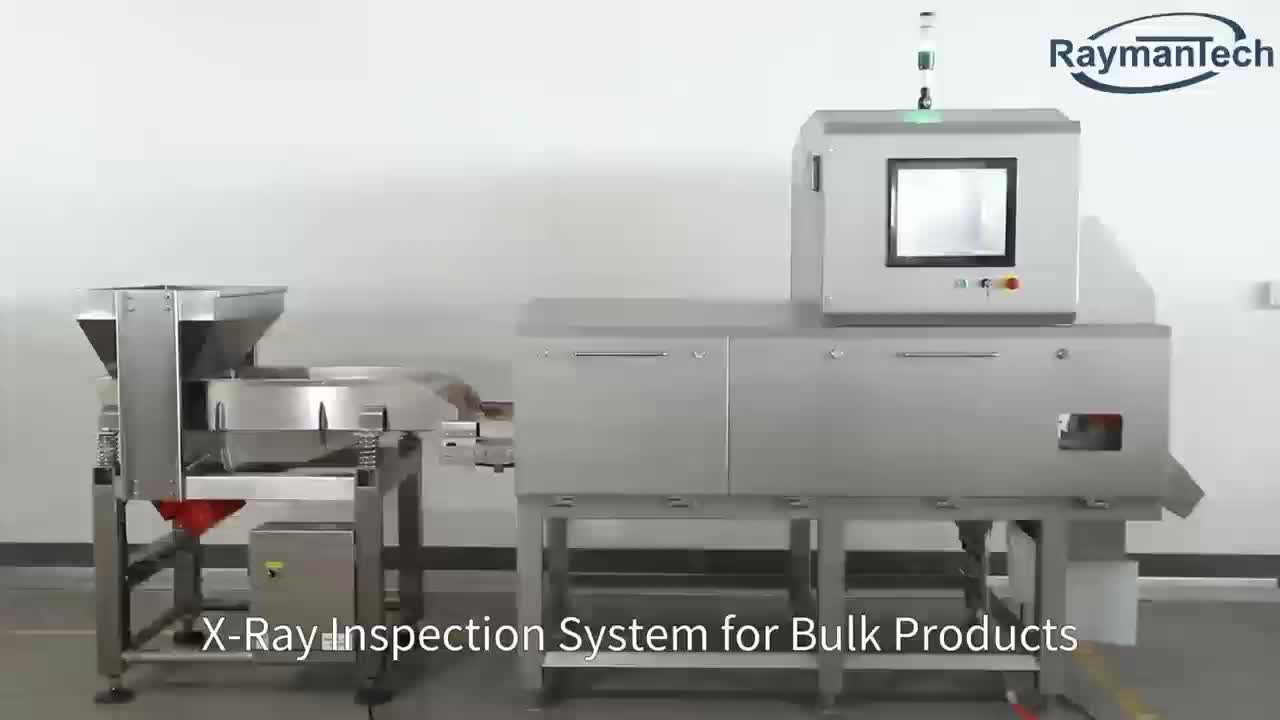



User Comments
Service Experience Sharing from Real Customers
Michael Rodriguez
Production Line ManagerThis optical sorter has revolutionized our nut processing line. The accuracy in detecting and removing defective products is exceptional, significantly reducing waste and improving our overall yield. The user interface is intuitive, and the maintenance requirements are minimal. A fantastic investment for any food processing facility focused on quality.
Sarah Chen
Quality Assurance SupervisorThe vibratory conveyor and sorting system we installed for our frozen vegetable line is highly efficient and reliable. It handles the product gently, preventing damage, and the sorting speed matches our high-volume production needs perfectly. The one-point deduction is only because some custom parts took a while to arrive. Overall, excellent performance.
David Miller
Plant EngineerAs an engineer, I appreciate the robust build and smart design of this color-sorting equipment for our potato chips. It's incredibly precise at removing burnt or off-color chips, ensuring a consistent, high-quality final product. The technical support from the supplier was prompt and knowledgeable during setup. It has been running flawlessly for over six months.
Jessica Williams
Operations DirectorImplementing this automated sorting line for our fresh produce packing facility was a game-changer. It seamlessly sorts by size and weight with remarkable accuracy, boosting our packing speed by 40% and reducing labor costs. The hygiene-focused design is also perfect for our industry. The ROI was achieved much faster than anticipated. Highly recommended!