 English EN
 Germany DE
 French FR
 Portuguese PT
 Spanish ES
.webp)
.webp)
How Frozen Strawberry X-ray Machines Support Food Safety Compliance
Frozen strawberry X-ray machines detect hidden con...
More

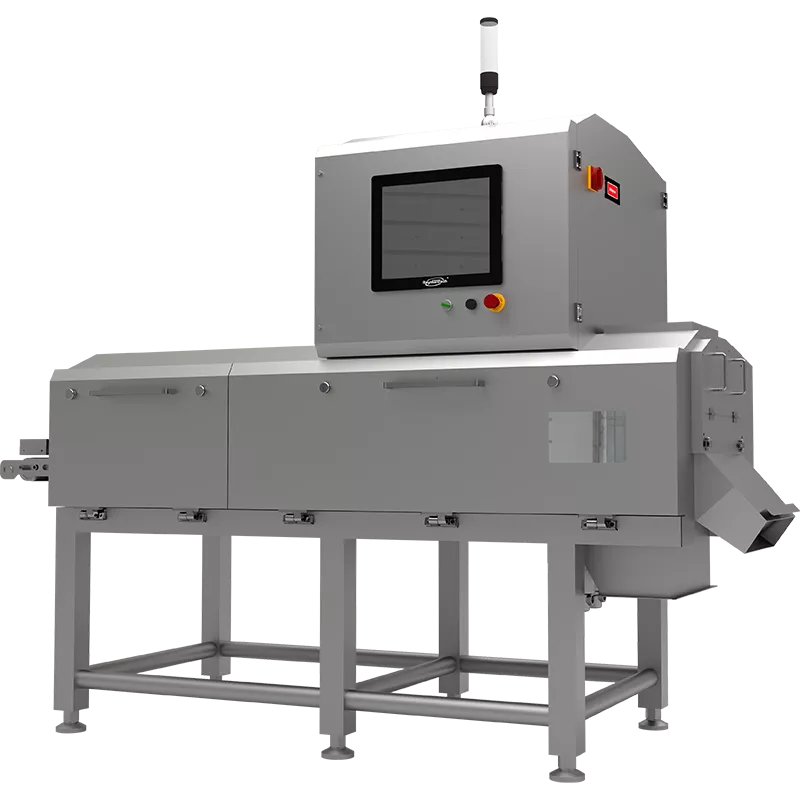
An advanced candy x ray machine provides a critical safety net. It ensures candy quality by detecting and removing physical contaminants. These systems find items like metal, glass, and dense plastics directly on the production line. This technology also verifies product integrity, checking for correct shape, count, and fill levels. This dual function safeguards both consumer safety and brand standards.
An X-ray inspection system operates on a foundation of physics, software, and mechanical precision. It transforms invisible radiation into a powerful quality control tool. The process involves three critical stages: creating a product image, analyzing it for defects, and removing any non-conforming items from the production line.
The core function of a candy x ray machine begins with creating a detailed density map of every product. This process operates on the principle of differential absorption. Different materials absorb X-rays at different rates depending on their density. Denser materials, like a piece of metal or glass, absorb more X-rays and appear as darker areas on the final image.
The entire inspection happens in a seamless, high-speed sequence:
Products travel on a conveyor belt through a focused X-ray beam.
A highly sensitive detector on the opposite side converts the X-ray energy that passes through the product into an electrical signal.
A high-speed computer processes this signal, generating a digital grayscale image, or "density blueprint," of the product.
This image reveals the internal structure of the candy, highlighting any areas with unexpected density variations.
These systems contain an X-ray generator, a sensor, and a computer for processing. The generator produces a controlled beam inside a cooled glass tube. This beam passes through the product to the sensor, which creates the grayscale image for analysis.
Safety Is ParamountModern X-ray inspection systems are engineered for complete safety. Leading manufacturers design units with robust radiation protection, ensuring that emissions remain below 1 μSv/hour during operation, a level that is exceptionally low and safe for the production environment.
Once the system creates a density blueprint, advanced software takes over to perform the critical analysis. This software uses sophisticated algorithms, which are essentially sets of image processing filters. These filters are applied to the X-ray image to emphasize potential contaminants by extracting and highlighting specific grayscale shades. The system can evaluate these highlighted areas against the product's acceptable standard.
The power of this software lies in its precision and intelligence.
High-Resolution Imaging: Algorithms support a vast grayscale range, sometimes with over 65,000 different values. This capability enables deep contrast, allowing the system to detect even subtle density differences that might indicate a tiny contaminant.
Artificial Intelligence (AI): Next-generation systems incorporate intelligent algorithms that continuously learn from production data. These AI models adapt to normal variations in product appearance, such as changes in raw materials, which significantly reduces false rejection rates.
Automated Adjustments: An intelligent candy x ray machine can automatically adjust its sensitivity settings based on the specific product type and historical performance data. This automation reduces the need for manual oversight while maintaining peak detection accuracy.
These AI-powered systems can be trained to flag specific defect types, improving detection far beyond what traditional image processing can achieve.
Detecting a contaminant is only half the battle. The system must also remove the faulty product from the line instantly and reliably. This is accomplished through an automated rejection mechanism that activates the moment the software identifies a non-conforming product. These mechanisms are designed for speed and precision, ensuring the flow of production is not disturbed.
Manufacturers select a rejection mechanism based on the product's size, weight, and packaging. Common types include:
| Rejection Mechanism | Best Used For |
|---|---|
| Air Blast | Lightweight or vertically oriented packaged products. |
| Pneumatic Pusher | Light to medium-weight packages and containers. |
| Retracting Nose | Unpackaged, raw bulk products on the conveyor. |
| Drop/Lift Gate | Packaged and some unpackaged products in multi-lane setups. |
These systems operate at incredible speeds, capable of handling over 100 objects per second or processing up to 270 packages per minute on certain lines. To ensure 100% removal of faulty items, calibrated sensors confirm that each rejected product is successfully diverted into a secure bin. This integration of detection and rejection provides a closed-loop system that guarantees only safe, high-quality candy reaches the consumer.
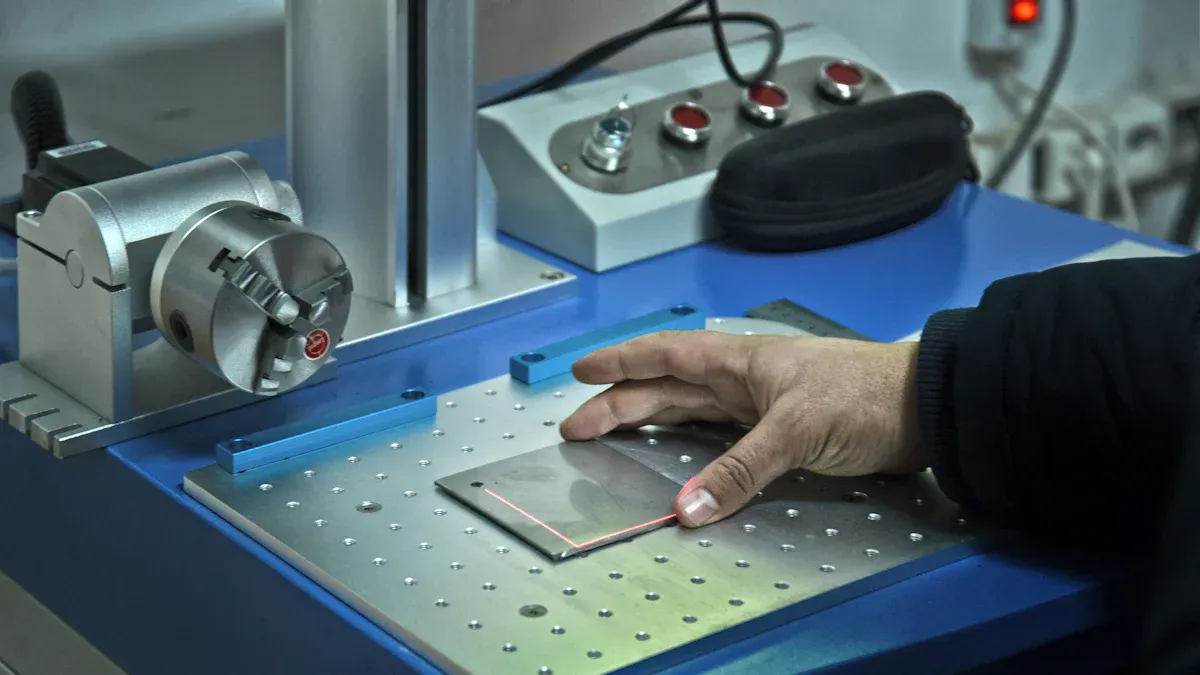
A candy x ray machine is more than a standalone safety device. It becomes a central hub for quality assurance when properly integrated into the production line. This integration transforms it from a simple detector into a powerful tool for process control, data management, and brand protection. Effective integration requires careful planning around three key areas: strategic placement, system design, and data connectivity.
The effectiveness of an X-ray system depends heavily on its location. Manufacturers determine the optimal placement using Hazard Analysis and Critical Control Points (HACCP) principles. A HACCP plan identifies points in the process where hazards can be prevented or eliminated. For candy manufacturing, these points often include:
Boiling sugar syrup: A critical step for microbial control.
Cooling and moulding: Temperature and time controls are essential for hygiene.
Humidity-controlled storage: Prevents spoilage and maintains product quality.
While these address microbial and quality hazards, physical contamination requires its own set of control points. Installing X-ray systems at these specific points provides the greatest safety benefit.
Incoming Ingredients: Inspecting bulk ingredients like nuts, cocoa, or powders before they enter the mix is the first line of defense. This early-stage inspection prevents a small contaminant from being broken down and spread throughout an entire product batch.
After Filling/Packaging: This is the most common and often final Critical Control Point for foreign materials. Placing a system here allows it to inspect the sealed, finished product. It can find contaminants introduced during processing and also verify final package integrity, such as correct fill level and item count.
After Case Packing: A final inspection of sealed cases confirms the correct number of packages are inside and detects any large contaminants that may have entered during secondary packaging. This ensures order accuracy and final product safety before shipment.
Installing systems at multiple points creates a layered defense, significantly enhancing the safety and quality of the final product.
Not all candy production lines are the same, and neither are X-ray systems. Manufacturers must select a system design that matches their specific product and production environment. System designs range from compact, entry-level units to highly customized solutions.
A-series: These compact systems are ideal for manufacturers with budget constraints or limited floor space.
G20: A versatile design that handles a wide variety of both loose and packaged confectionery.
Bespoke Systems: These are custom-engineered solutions for unique products or challenging line configurations.
The physical form of the candy is a primary factor in system selection. A candy x ray machine designed for one product type may not be suitable for another.
| Candy Type | Recommended X-ray System Series |
|---|---|
| Loose-flow gummies, dragees, jellies | Bulk flow systems (e.g., AICON BULK XR) |
| Packaged chocolates, candy bars, bags | Conveyor systems (e.g., AICON SCAN XR) |
| Challenging or unique applications | Custom-built systems (e.g., AICON CUSTOM) |
Modern systems also offer software flexibility. For example, Ishida's IX series uses a patented Genetic Algorithm (GA) that can be trained to identify specific contaminants. A single machine can store multiple settings, allowing operators to switch between inspecting different products with minimal downtime.
Expert Tip: Collaborate for Success 💡 Integrating an X-ray machine into an existing line can be complex. To ensure a smooth setup, manufacturers should collaborate closely with their equipment supplier. Suppliers provide essential guidance on how to incorporate the system into the current line design with minimal disruption.
In the era of Industry 4.0, a candy x ray machine functions as a critical data-gathering node. These systems connect directly with Manufacturing Execution Systems (MES) and other enterprise software. This integration creates a seamless flow of information, enabling real-time process control and comprehensive record-keeping.
This connectivity allows the system to share inspection results instantly. If a trend of defects emerges, such as underfilled chocolate boxes, the system can flag the issue, allowing for immediate adjustments at the filling station. This real-time feedback loop is proven to optimize production. One case study in a similar industry showed that integrating an advanced inspection system with an MES led to a 40% reduction in rework costs and a 15% increase in first-pass yield.
The data collected provides powerful insights for optimizing efficiency. By analyzing reject rates and patterns, managers can identify the root cause of problems, reduce product waste, and minimize false rejects. This continuous improvement process leads to more sustainable and cost-effective operations.
Furthermore, this data is essential for regulatory compliance.
FSMA 204 ComplianceFood safety regulations like the FDA's Food Safety Modernization Act (FSMA) Rule 204 mandate extensive record-keeping. Companies must maintain a detailed Traceability Plan and log Key Data Elements (KDEs) at Critical Tracking Events (CTEs) throughout the supply chain.
X-ray systems automatically log a wealth of information for every product inspected, including timestamps, reject images, and machine settings like beam voltage (kVp) and exposure time. This creates an end-to-end digital record that helps manufacturers meet FSMA requirements, providing verifiable proof of inspection for every item that leaves the facility.
X-ray inspection provides a multi-layered defense, guaranteeing safety from contaminants and upholding product quality. This technology is an indispensable tool in modern candy manufacturing. It protects brand reputation from the devastating financial and image costs of a recall.
Effective implementation is a critical investment in comprehensive safety and quality assurance protocols.
No, the inspection process does not make candy radioactive. The product passes through the beam quickly. It does not retain any radiation, remaining completely safe for consumption.
These systems detect dense foreign materials. This includes metal, glass, stone, and certain plastics. They excel at finding contaminants denser than the candy product itself.
No, modern systems operate at very high speeds. They inspect hundreds of items per minute without interrupting the production flow, ensuring both safety and efficiency.

We provide you with comprehensive foreign trade solutions to help enterprises achieve global development
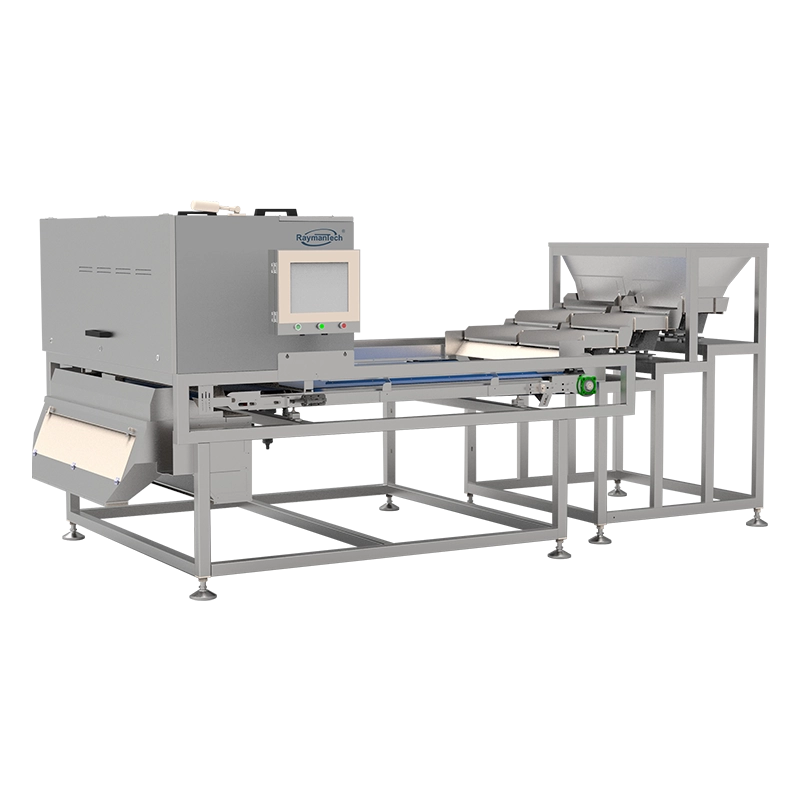
Recommedation: Small particle, flat products such ...
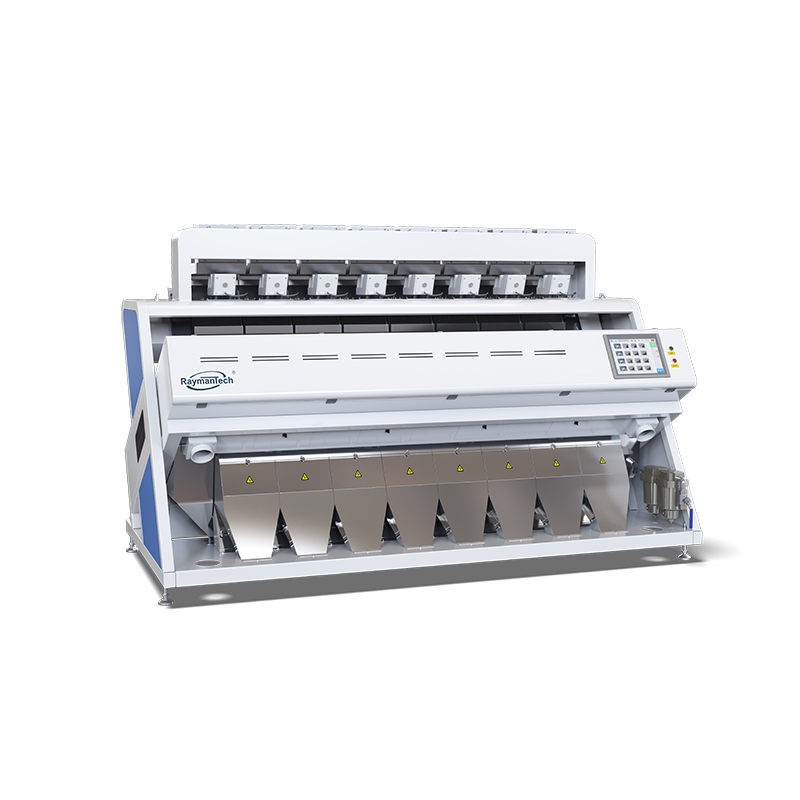
Improve Product Purity While Reducing Raw Material...
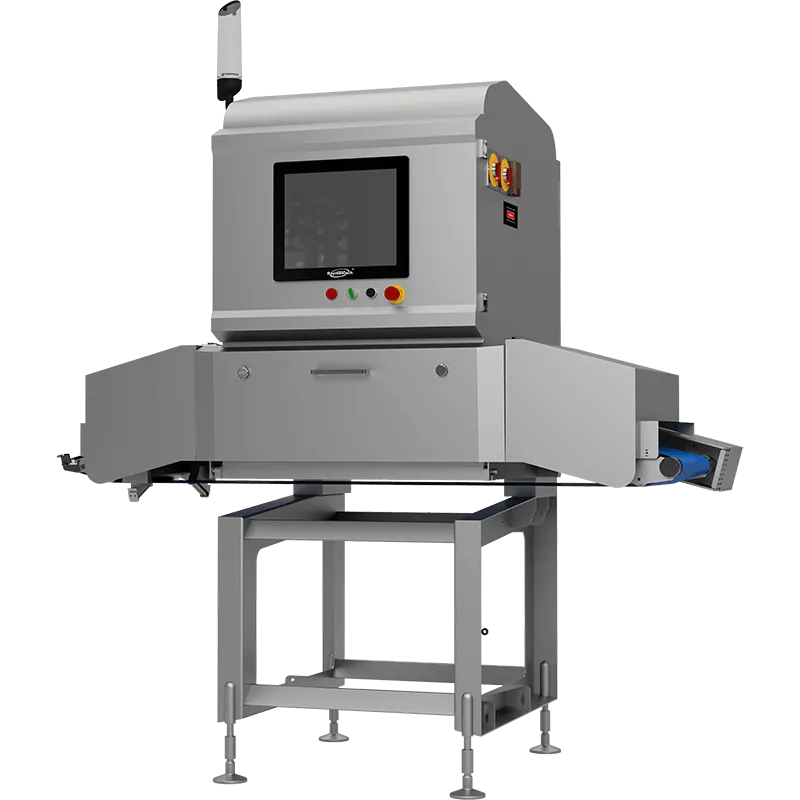
Both fat analysis and contaminant inspection (bone...
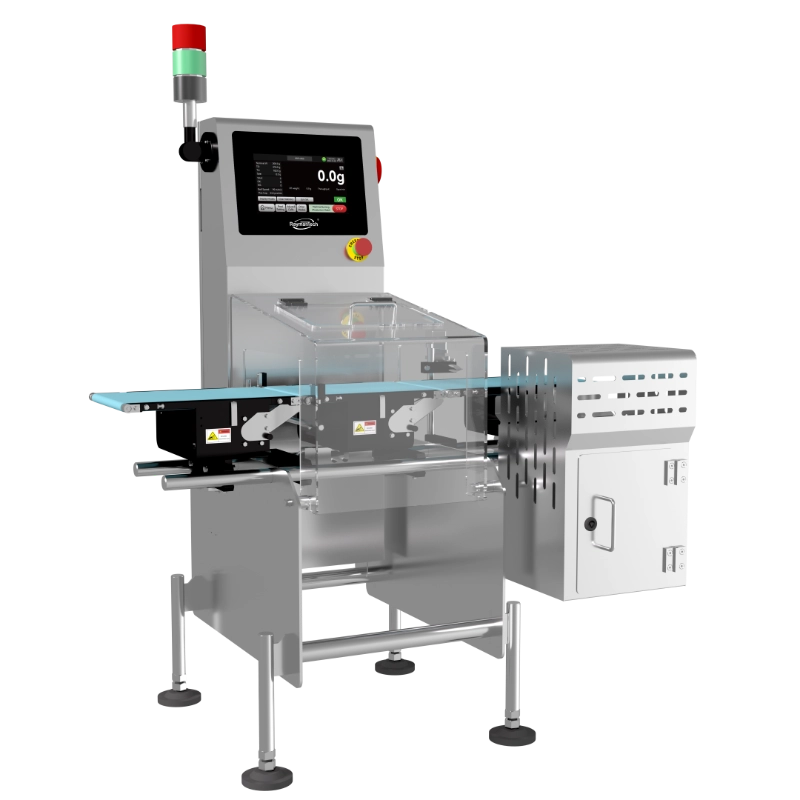
RaymanTech High-Speed Checkweigher delivers dynami...
Select the most popular foreign trade service products to meet your diverse needs
Select the most popular foreign trade service products to meet your diverse needs



.webp)



User Comments
Service Experience Sharing from Real Customers
Michael Rodriguez
Pediatric DentistThis candy X-ray machine has revolutionized our practice! Children are no longer anxious about dental scans when we show them how it works with their favorite candies. The image quality is exceptional for educational demonstrations.
Sarah Chen
Elementary Science TeacherAbsolutely fantastic teaching tool! My 3rd graders are fascinated seeing what's inside different candies. The machine is safe and easy to operate. Only wish it had more preset educational programs.
David Thompson
Quality Control ManagerIncredible precision for confectionery quality inspection. We've significantly reduced production defects by identifying air pockets and inconsistencies in our premium chocolate line. Worth every penny for manufacturing standards.
Jennifer Wallace
Museum Education DirectorOur new interactive exhibit featuring the candy X-ray machine has doubled visitor engagement! It beautifully demonstrates scientific principles while being incredibly fun. The durability is impressive despite heavy daily use.