 English EN
 Germany DE
 French FR
 Portuguese PT
 Spanish ES
.webp)
.webp)
How Safe is X-ray Inspection of Food?
Consumers and manufacturers alike worry about cont...
More

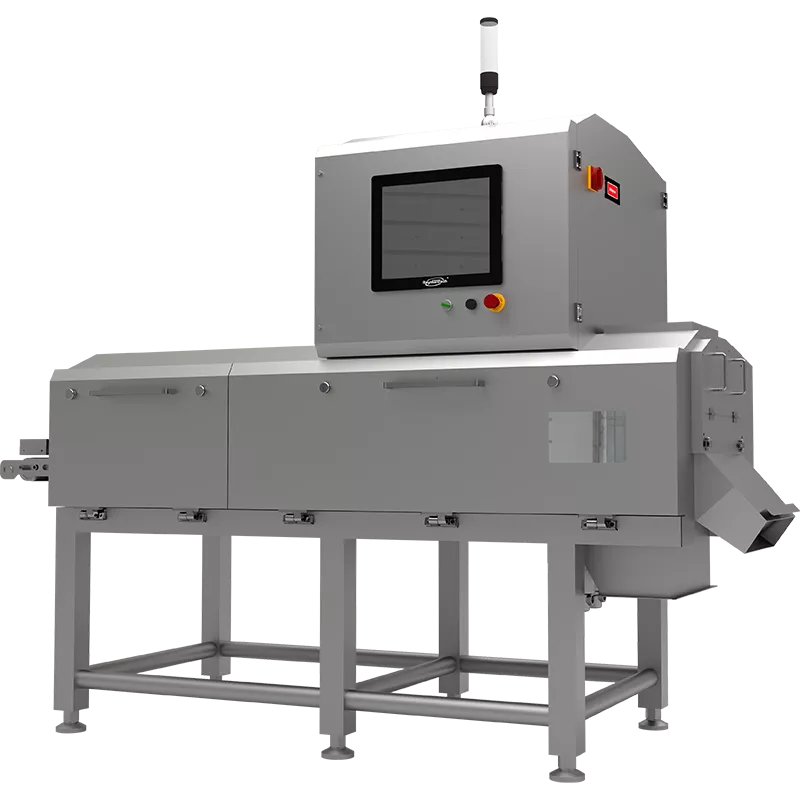
Foreign object contamination accounts for 11.4% of U.S. food recalls, posing a significant risk to consumers and brands. The modern x ray detector food industry utilizes advanced systems to counter this threat. This technology ensures comprehensive product integrity beyond simple safety. It helps prevent costly recalls, fortifies brand reputation, and guarantees regulatory compliance.
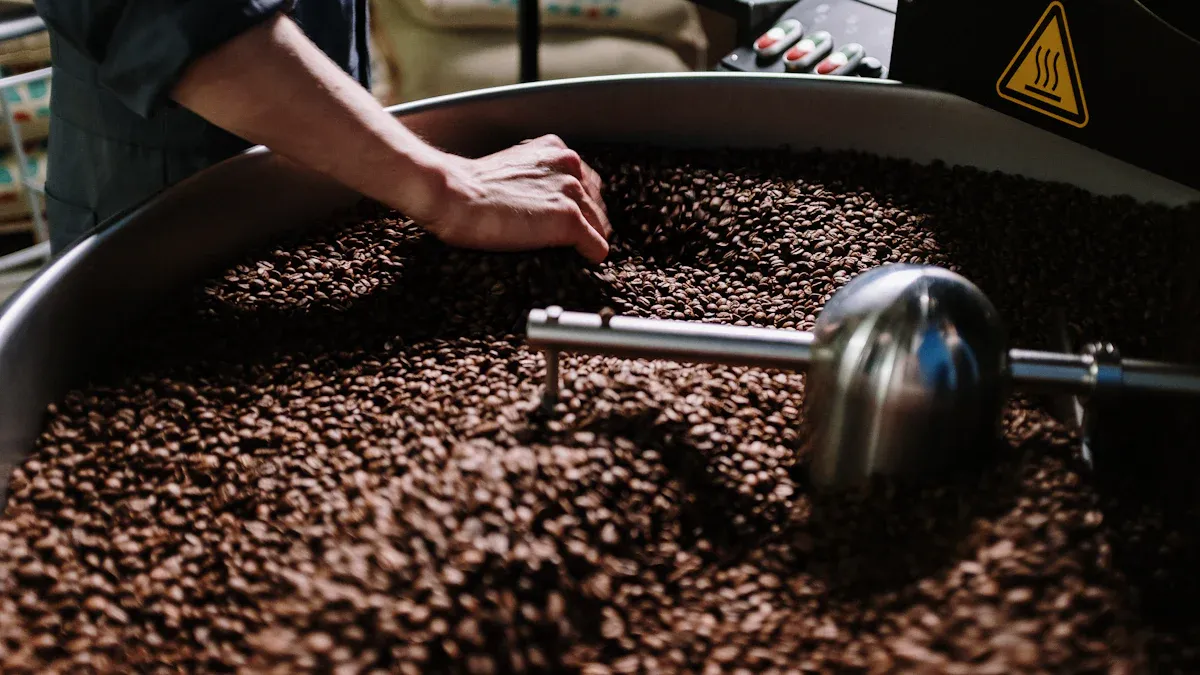
Modern food producers require inspection technology that goes beyond basic metal detection. X-ray systems provide a superior level of safety by identifying a much broader spectrum of foreign objects. This capability is fundamental to protecting consumers and ensuring product quality. The advanced technology in the x ray detector food industry sets a new standard for comprehensive inspection.
Metal detectors operate by identifying changes in a magnetic field. This method is effective for many metals but leaves products vulnerable to non-metallic threats. X-ray inspection systems, however, function by analyzing density. They create a grayscale image of a product, and denser materials absorb more X-rays, appearing as darker spots. This allows them to find contaminants that metal detectors cannot see.
X-ray systems offer exceptional sensitivity for a wide range of foreign bodies, including:
Glass shards
Stones and mineral fragments
Calcified bone pieces
High-density plastics and rubber
This inclusive approach provides a more robust defense against physical contamination.
A significant advantage of X-ray technology is its ability to inspect products regardless of their packaging. Materials like metallized foil, aluminum cans, and glass jars can interfere with or completely block metal detectors. X-ray systems effortlessly penetrate these materials to ensure the safety of the contents inside.
Case studies show X-ray systems successfully identifying glass-in-glass contaminants in jam jars and finding foreign objects in products sealed in foil pouches. This demonstrates their effectiveness where other inspection methods fail.
This capability allows producers to maintain high safety standards across all product lines, from canned goods to ready-to-eat meals.
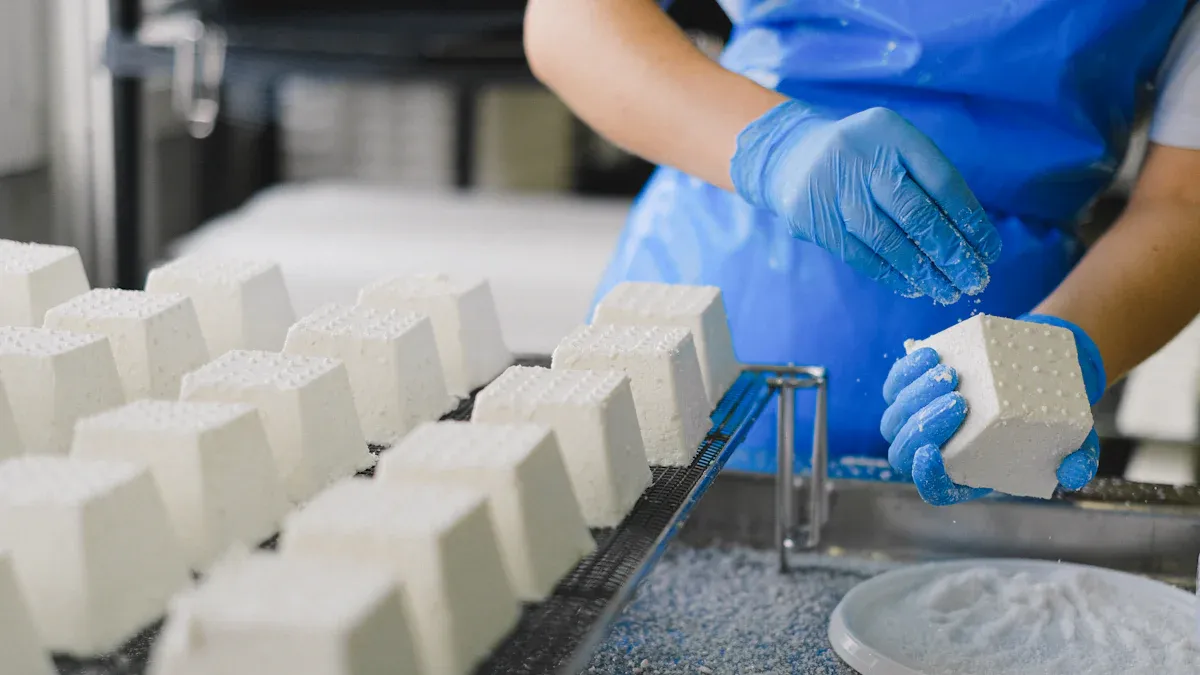
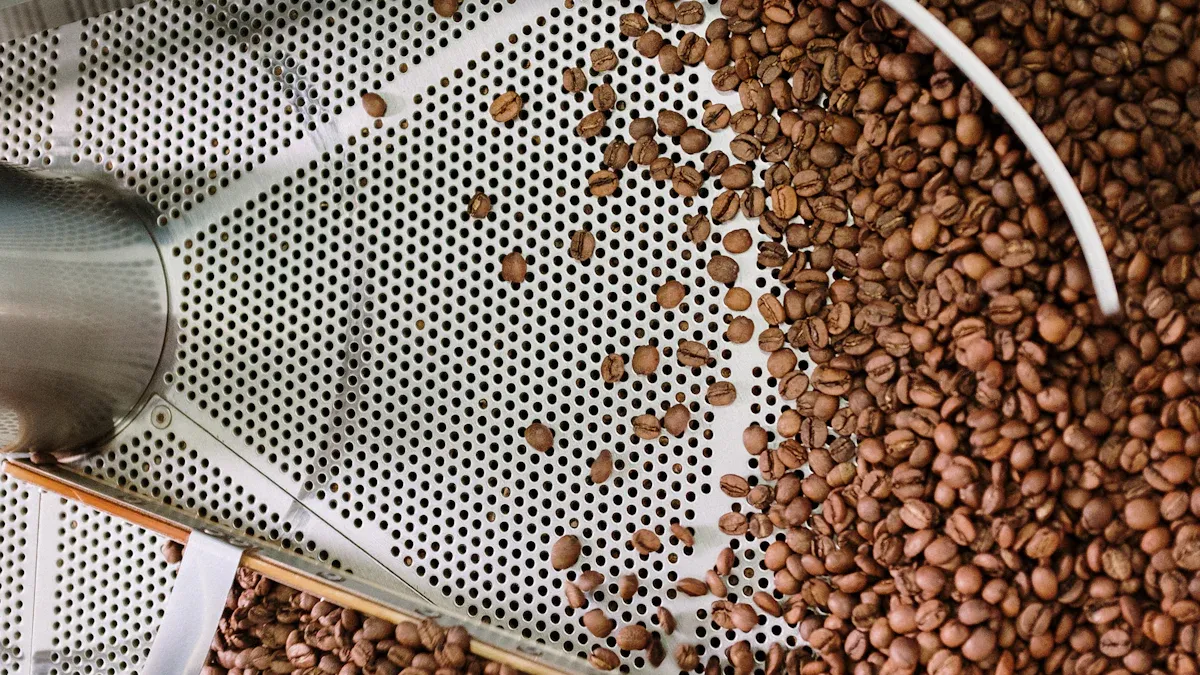
X-ray inspection systems elevate quality control beyond contaminant detection. They function as powerful, all-in-one quality assurance tools, analyzing multiple product and packaging attributes simultaneously. This comprehensive approach helps manufacturers maintain consistency and uphold brand standards.
Ensuring correct product weight is critical for profitability and customer satisfaction. X-ray systems verify mass by analyzing product density. During setup, the machine learns the grayscale signature of an acceptable package. It then compares every subsequent item against this standard to calculate its mass. This method effectively identifies underfilled or overfilled packages, reducing product giveaway and ensuring regulatory compliance. While it is not a traditional scale, this density-based measurement provides excellent weight verification for products with consistent shape and size.
A consumer’s perception of quality is shaped by the product's condition. X-ray technology allows manufacturers to see inside sealed packages to verify the integrity of the contents. This capability enables the system to spot and reject a variety of imperfections unrelated to contamination.
Advanced systems can identify issues such as broken or malformed products, unwanted clumps or voids in powders, and even count components to ensure a multi-pack is complete.
This check guarantees that the product leaving the facility meets the visual and structural standards customers expect.
A product’s shelf life and safety depend heavily on its packaging. X-ray systems perform critical checks on package integrity to prevent spoilage. They can identify defects like:
Product trapped in the seal area
Incomplete or irregular seals
Structural container defects like cracks or chips
By detecting these flaws, X-ray inspection ensures a secure seal. This prevents contamination, preserves freshness, and extends product shelf life, protecting both the consumer and the brand’s reputation for quality.
X-ray inspection systems provide a powerful defense against the immense financial and reputational damage of a product recall. They shift food safety from a reactive measure to a proactive strategy, identifying and containing issues at the source.
The most effective way to manage a recall is to prevent it entirely. X-ray systems inspect 100% of products on the line, catching contaminants or quality defects before they ever leave the facility. This preventative step is crucial when considering the high cost of failures. A typical food recall costs a company an average of $10 million in direct expenses, not including brand damage.
Even a minor recall can be devastating. One firm incurred over $2 million in costs for a recall involving fewer than 250,000 units, demonstrating the significant financial risk of any post-shipment issue.
Modern X-ray systems function as intelligent data collection points. They generate a continuous stream of information and images for every product inspected. Manufacturers can use this data to monitor production trends and identify upstream equipment problems. For example, a pattern of metal fragments might indicate a failing slicer, while inconsistent fill levels could point to a faulty depositor. Software with AI and IoT integration analyzes these trends, allowing operators to make immediate process adjustments and prevent widespread issues.
When an X-ray system detects a non-conforming product, it triggers an immediate and precise response. The system's internal computer signals an automated rejection mechanism to remove the single affected item from the production line. These mechanisms can include:
Pneumatic air-blast jets
Pusher arms
Diverter gates
This automated process removes the specific contaminated or defective product without stopping the line. It ensures that only safe, high-quality goods proceed to packaging, effectively isolating problems to a single unit rather than an entire batch.
A brand's reputation is its most valuable asset. Investing in advanced inspection technology like X-ray systems is a powerful way for food producers to protect and enhance that reputation. This technology moves safety from a background process to a visible commitment.
Modern consumers are more informed about food safety than ever before. They actively seek out brands that prioritize their well-being. Companies that adopt X-ray inspection technology send a clear message: safety is a top priority. This investment demonstrates a proactive approach to quality control that resonates with shoppers.
A nationwide consumer survey confirms this trend. The Ancera 2025 COOP Report found that "Tech-forward companies leveraging AI, automation, and data analytics enjoy a significant competitive edge, influencing consumer trust, brand preference, and purchasing decisions."
This shows that leading with safety innovation directly influences consumer choice and builds a foundation of trust.
A single product recall can inflict severe and lasting harm. The immediate financial impact is significant, as a major recall can cause a company's stock value to drop by an average of 5.1% within weeks. Negative media coverage amplifies this damage. Beyond the balance sheet, incidents like the Maggi noodles scandal in India show how safety failures can lead to a permanent loss of market share. X-ray inspection acts as a critical defense, catching issues internally and preventing the public failures that erode brand value.
Consumer trust is earned through consistency. X-ray systems help build that trust by ensuring every product meets the highest standards for safety and quality. This technology guarantees that products are free from contaminants and meet all specifications. By preventing off-spec products and customer claims, manufacturers safeguard their reputation with every shipment. This consistent delivery of safe, high-quality goods is the cornerstone of customer loyalty, encouraging repeat purchases and strengthening the brand's position in the market.
Navigating the complex landscape of food safety regulations is a primary challenge for producers. X-ray inspection systems are not just a best practice; they are a vital tool for ensuring and proving compliance with strict industry standards. The modern x ray detector food industry relies on this technology to meet legal and commercial obligations.
Food manufacturers operate under strict government oversight. Regulations like the US Food Safety Modernization Act (FSMA) and EU laws obligate producers to implement robust safety plans. These plans must identify and control potential physical hazards. X-ray inspection directly addresses this mandate by detecting a wide range of contaminants. Major retailers also enforce their own stringent requirements.
For example, Costco now mandates that most food suppliers use X-ray inspection. Suppliers who fail to comply will automatically fail their audit, demonstrating how market access is directly tied to adopting advanced inspection technology.
X-ray systems are a cornerstone of Hazard Analysis and Critical Control Points (HACCP) plans. Manufacturers often designate the inspection point as a Critical Control Point (CCP). Here, the system monitors for contaminants and quality defects against defined limits. This helps producers meet the rigorous standards required for certification under Global Food Safety Initiative (GFSI) schemes. Adherence to these rules is essential for any company in the x ray detector food industry looking to compete globally. Key functions include:
Identifying contaminants like glass, stone, and dense plastics.
Verifying product integrity and fill levels.
Ensuring automated rejection of non-conforming products.
Proving compliance requires meticulous documentation. X-ray inspection systems automatically create a detailed, auditable digital record for every item they scan. These systems capture and store time-stamped images and inspection data. This information creates an end-to-end digital history, allowing manufacturers to demonstrate due diligence during an audit. In the event of an issue, this traceable record enables rapid identification and isolation of affected batches, protecting both the public and the producer.
X-ray inspection is an essential, multi-functional tool, moving beyond simple detection to become a cornerstone of quality assurance. Integrating these systems actively safeguards product integrity from production to the consumer. This technology protects brands, ensures compliance, and provides a competitive advantage for the modern x ray detector food industry.
Yes. Food passes through the beam for less than a second. The ultra-low radiation levels do not impact food safety, nutritional value, or taste, as confirmed by the FDA.
X-ray systems detect contaminants denser than the product. They easily find metal, glass, and stone but may miss low-density materials like wood, hair, or some plastics.
Metal detectors identify conductive materials via magnetic fields. X-ray systems use density analysis, enabling them to find non-metallic contaminants and inspect through foil or metal packaging.

We provide you with comprehensive foreign trade solutions to help enterprises achieve global development
.webp)
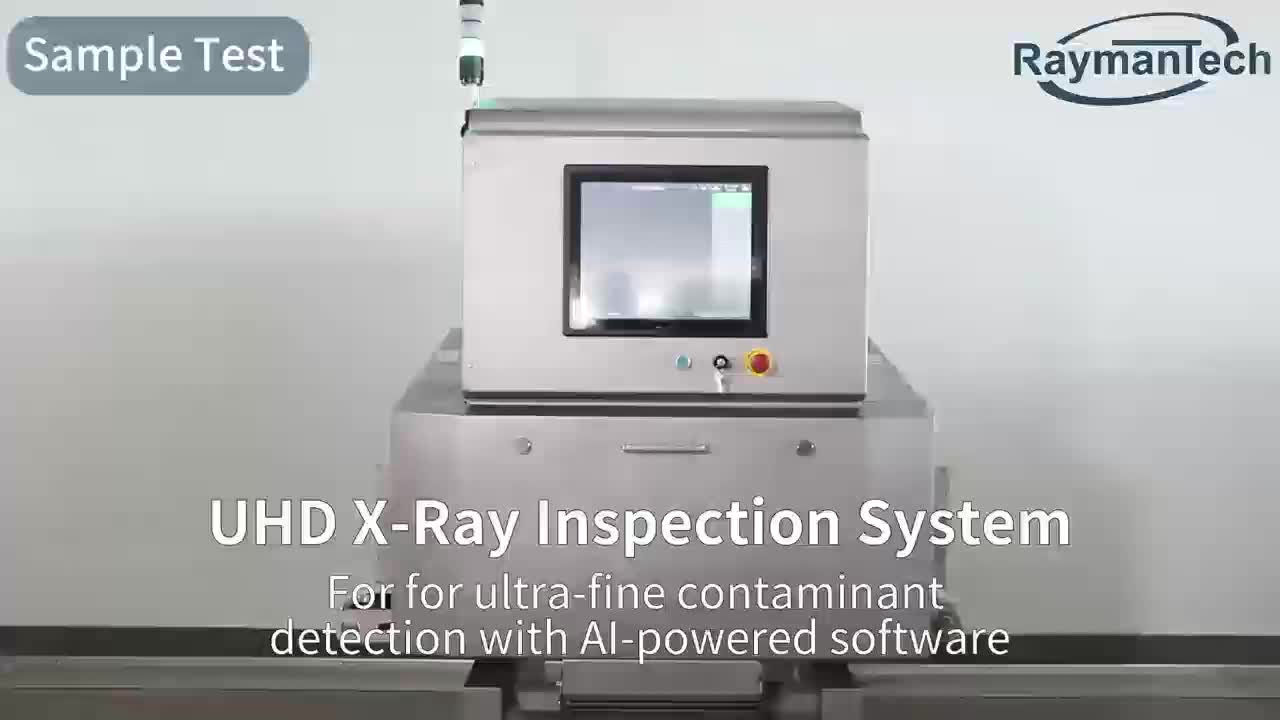
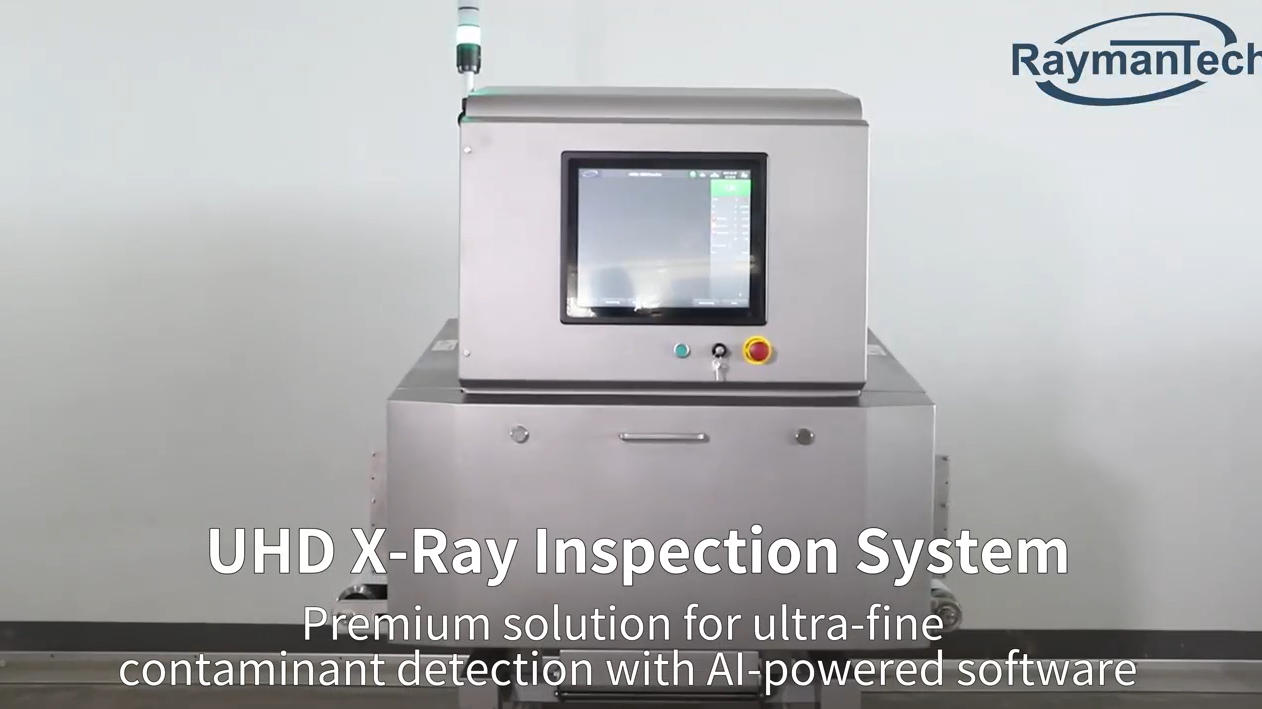
Designed for food manufacturers requiring exceptio...
.webp)
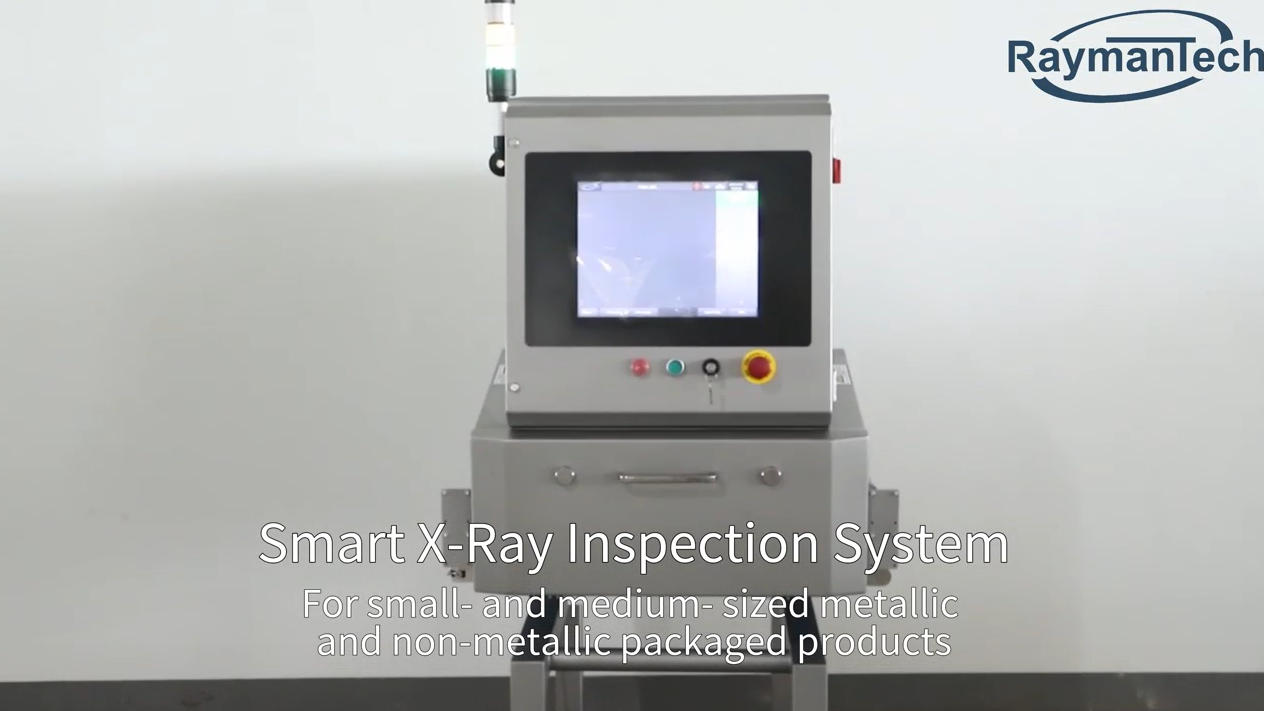
Designed to inspect small- and medium-sized food p...
.webp)
Recommedation: Chili, walnut, peanuts, soybeans, c...
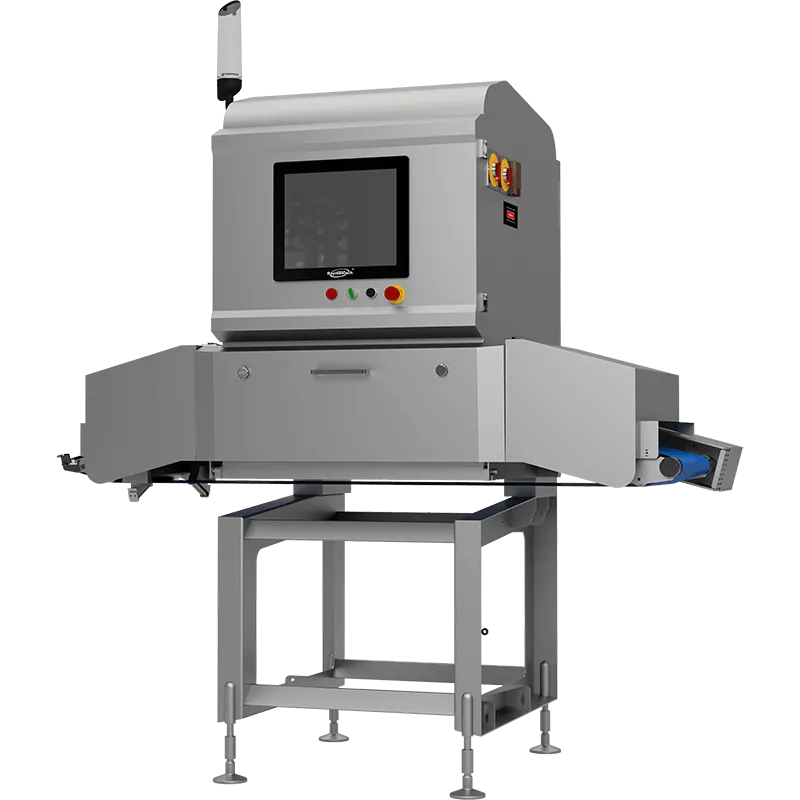
Both fat analysis and contaminant inspection (bone...
Select the most popular foreign trade service products to meet your diverse needs
Select the most popular foreign trade service products to meet your diverse needs






User Comments
Service Experience Sharing from Real Customers
Michael Chen
Quality Control ManagerThis X-ray detection system has revolutionized our foreign object detection process. The sensitivity is outstanding, allowing us to reliably identify minute contaminants in our packaged snacks without compromising production speed. A game-changer for food safety.
Sarah Johnson
Production SupervisorHighly accurate detection of metal, glass and stone fragments in our frozen vegetable line. The intuitive interface made training our operators straightforward. Minor false positives initially, but calibration resolved this quickly. Excellent investment for compliance.
David Rodriguez
Food Safety DirectorAfter implementing this X-ray detector across our bakery lines, we've seen a 40% reduction in contamination incidents. The automated rejection system integrates seamlessly with our existing conveyors. The detailed reporting features make audit preparation significantly easier.
Emily Watson
Plant ManagerReliable performance in detecting bone fragments in our poultry products where metal detectors failed. The hygienic design withstands our rigorous washdown procedures. Service response time could be improved, but the technology itself is top-notch.