
 English EN
 Germany DE
 French FR
 Portuguese PT
 Spanish ES
What Is a High Speed Sorting Machine and How Does It Boost Efficiency?
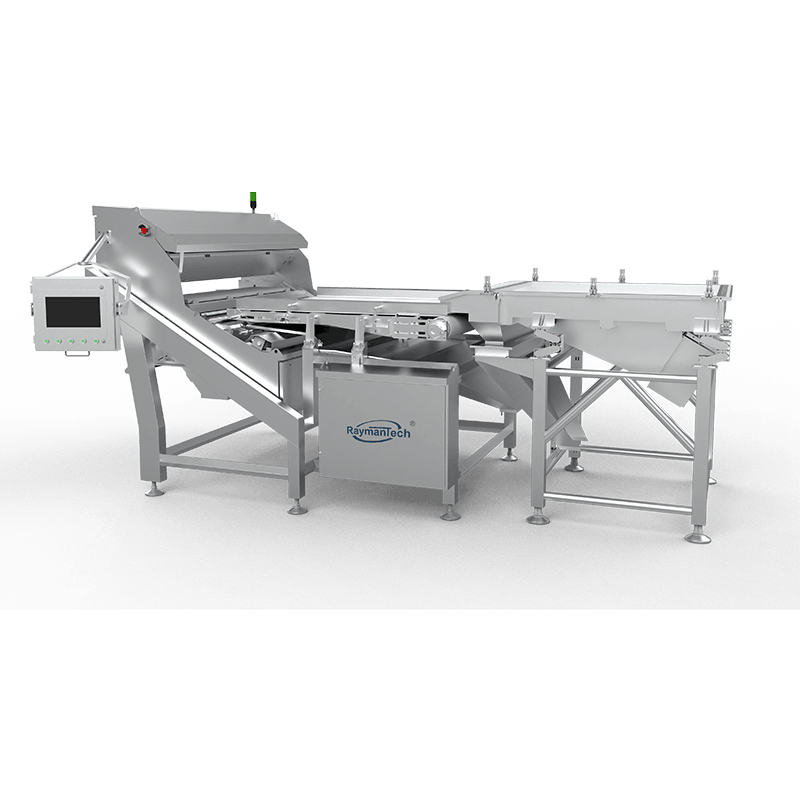
A high speed sorting machine is an automated system that rapidly inspects and separates products based on physical attributes like color, shape, density, and material composition. By integrating advanced detection technologies such as X-ray and optical sensors, these machines dramatically reduce manual labor, improve product quality, and increase throughput in industries ranging from food processing to pharmaceuticals.
How High Speed Sorting Machines Work
At their core, high speed sorting machines use a combination of sensors, cameras, and ejection systems to identify and remove defective or contaminated items from a production line. For example, X-Ray Inspection Systems detect contaminants by analyzing shape, density, material, and color—catching metal, stones, glass, plastics, paper, branches, leaves, wormholes, mildew, and discoloration. Meanwhile, Optical Sorting Systems use high-resolution cameras to spot color variations, shape defects, and organic impurities in real time.
The key to their speed lies in AI-powered detection. Spectral analysis and shape recognition algorithms process images in milliseconds, triggering precise air jets or mechanical arms to remove only the faulty items. This means your line keeps moving without bottlenecks, and every product that passes inspection meets your quality standards.
Key Efficiency Gains Across Industries
High speed sorting machines boost efficiency in several measurable ways. First, they replace slow, error-prone manual inspection. In the meat industry, for instance, dual-energy X-ray systems detect residual bones in chicken, beef, and fish fillets at line speeds that human inspectors simply cannot match. For seafood processors, these machines catch fish bones in halibut, salmon, basa, mackerel, and cod without slowing production.
Second, they reduce waste by precisely targeting defects. In frozen fruit and vegetable lines, sorting machines identify mold, decay, and agglomeration, removing only the bad pieces. For nuts, they detect shriveled kernels and internal defects that would otherwise slip through. This level of accuracy means you keep more good product and send less to waste.
Third, they enable whole-chain quality control. From grains and beans to spices and dried fruits, sorting machines inspect for color variation, insect damage, hair, and organic contaminants. In packaged goods, they check seal integrity, liquid levels, and missing items—like desiccants in pet food or sauces in ready meals. This comprehensive inspection reduces recalls and protects your brand reputation.
Real-World Applications
Meat & Seafood: Bone detection, fat content analysis, glass and fishhook removal.
Grains & Seeds: Color/shape sorting, hair, insect damage, organic contaminants.
Fruits & Vegetables: Mold/decay detection, defect removal, color sorting.
Pharmaceuticals: Sieve mesh wire detection, missing tablets, damaged packaging.
Bakery & Snacks: Missing product, code detection, irregular shape removal.
Canned & Bottled Goods: Liquid level checks, sieve wire detection, defect inspection.
Technical Advantages That Drive Speed
AI-Powered Detection: Spectral analysis and shape recognition for instant decisions.
Modular Design: Shared components across models simplify maintenance and upgrades.
One-Click Operation: Multi-language interface, easy integration into existing lines.
Versatile Inspection: Handles foil, plastic, cartons, bags, trays, sachets, PET bottles, cans, and jars.
High Throughput: Tunnel widths from 200mm to 1200mm, with IP65 to IP69K ratings for wet environments.
Choosing the Right Machine for Your Line
The best high speed sorting machine depends on your product type and contaminants. For bulk products like grains, nuts, and frozen vegetables, X-ray systems detect contaminants by shape and density—catching stones, glass, and plastics that optical sorters might miss. For packaged goods, top-down X-ray systems inspect seal integrity and missing items. And for meat and fish, dual-energy systems analyze fat content and residual bones in real time.
Optical sorting systems excel at color-based defects, such as discolored beans, moldy dried fruits, or insect-damaged seeds. Many processors combine both technologies for a whole-chain solution that catches every type of defect. The result is a streamlined operation with fewer stops, less waste, and higher overall equipment effectiveness.





Follow us:
