
 English EN
 Germany DE
 French FR
 Portuguese PT
 Spanish ES
How Does Fat Content Analysis By X-Ray Really Work
Fat content analysis uses x-ray inspection to measure fat content in food products. This technology helps producers maintain high quality and safety standards. Raymantech systems deliver precise results and support modern processing lines. Accurate fat content testing protects consumers and ensures compliance with industry regulations.
Key Takeaways
X-ray inspection provides fast and accurate fat content analysis, ensuring food quality and safety.
Using dual-energy x-ray absorptiometry allows for real-time monitoring and precise measurement of fat in food products.
Implementing fat analysis systems helps manufacturers comply with regulations, reduce errors, and enhance consumer trust.
Fat content analysis in food
What is fat content analysis
Fat content analysis is the process of measuring the amount of fat in food products. This measurement is important for understanding the nutritional value and quality of food. Many methods exist for fat analysis, each with its own strengths and uses. Traditional chemical methods, such as base hydrolysis and acid hydrolysis, are common in laboratories. These methods use chemicals to break down food samples and extract fat for measurement.
Method | Description |
|---|---|
Base Hydrolysis (Roese-Gottlieb) | Used for dairy, breaks fat emulsions with chemicals. |
Combined Acid & Base Hydrolysis | Used for cheese, combines acid and base for tough samples. |
Weibull-Stoldt Method | Uses acid digestion and extraction, known for precision. |
Mojonnier Method | Similar to Roese-Gottlieb, less precise, uses flammable solvents. |
Rose-Gottlieb/Babcock Method | Used in milk, uses basic digestion and different solvents. |
Schmid-Bondzynski-Ratzlaff | Similar to Weibull-Stoldt, uses acid digestion and extraction. |
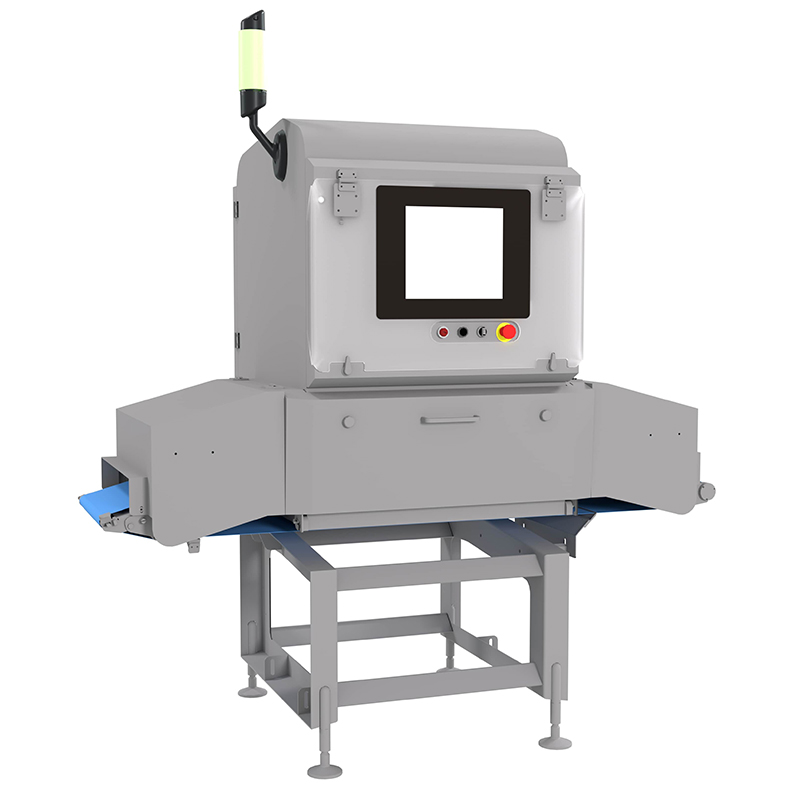
Today, x-ray inspection is widely used for fat content analysis in meat and other foods. This technology allows for non-destructive, real-time measurement. It improves consistency and reduces errors compared to sample-based methods. Fat analysis x-ray inspection system uses dual energy x-ray absorptiometry to distinguish fat from lean tissue, making it ideal for food quality control.
Why fat analysis matters for food quality
Fat analysis plays a key role in food quality. Fat content affects the taste, texture, and value of food. Accurate fat analysis ensures that food meets labeling laws and dietary regulations. It also helps manufacturers avoid mistakes in recipes and keeps products consistent.
Accurate fat analysis supports:
Regulatory compliance for food labels
Consumer trust through reliable information
Efficient production by reducing errors
X-ray inspection systems also help detect impurities, improving food safety. In meat processing, these systems provide fast and reliable fat content results. This supports both food quality and safety for consumers.
X-ray inspection technology for fat analysis
How dual-energy x-ray inspection works
Dual-energy x-ray absorptiometry is the foundation of modern fat analysis x-ray inspection systems. This advanced food-quality control device uses two different x-ray energy levels to scan food products as they move along the production line. The principle behind this technology is simple but powerful:
Dual-energy x-ray absorptiometry sends both high and low energy x-rays through the food.
Fat and lean meat absorb x-rays at different rates because they have unique densities and atomic structures.
Fat absorbs less x-ray energy than lean muscle, which allows the system to distinguish between the two.
The system analyzes the absorption data from both energy levels to calculate the fat content with high accuracy.
This method provides more accurate measurements than single-energy systems. By using two energy spectrums, the system can separate fat from lean tissue even when products vary in size, shape, or packaging. This approach overcomes challenges like surface differences or lighting that can affect other testing methods. As a result, dual-energy x-ray absorptiometry has become essential for meeting industry standards for fat analysis in food.
Fat analysis x-ray inspection system features
Raymantech X-Ray Inspection System for Fat Content Analysis stands out as a leading example of cutting-edge x-ray technology. It combines several features that support enhancing food safety and quality standards in the food industry. The table below highlights the main features of this system:
Feature | Description |
|---|---|
Dual-Energy X-Ray Technology | Utilizes advanced FDX technology for precise fat content measurement, ensuring product quality and consistency. |
Seamless Integration | Compact design allows easy integration into production lines with adjustable height and angle. |
Comprehensive Functionality | Performs fat analysis, weighing, and contaminant inspections to meet quality standards. |
Versatile Meat Analysis | Analyzes various meat types and conditions, ensuring reliable results across fresh, frozen, and unwrapped products. |
Real-Time Monitoring | Allows for real-time fat content tracking, enhancing raw material management and reducing rework. |
Modern fat analysis x-ray inspection systems also include high-resolution detectors and deep learning algorithms. These technologies help the system recognize patterns, classify defects, and adapt to new contaminants. Real-time monitoring displays fat analysis data on-screen and integrates with factory control systems. This improves production efficiency and reduces manual inspections.
Accurate fat testing and contaminant detection
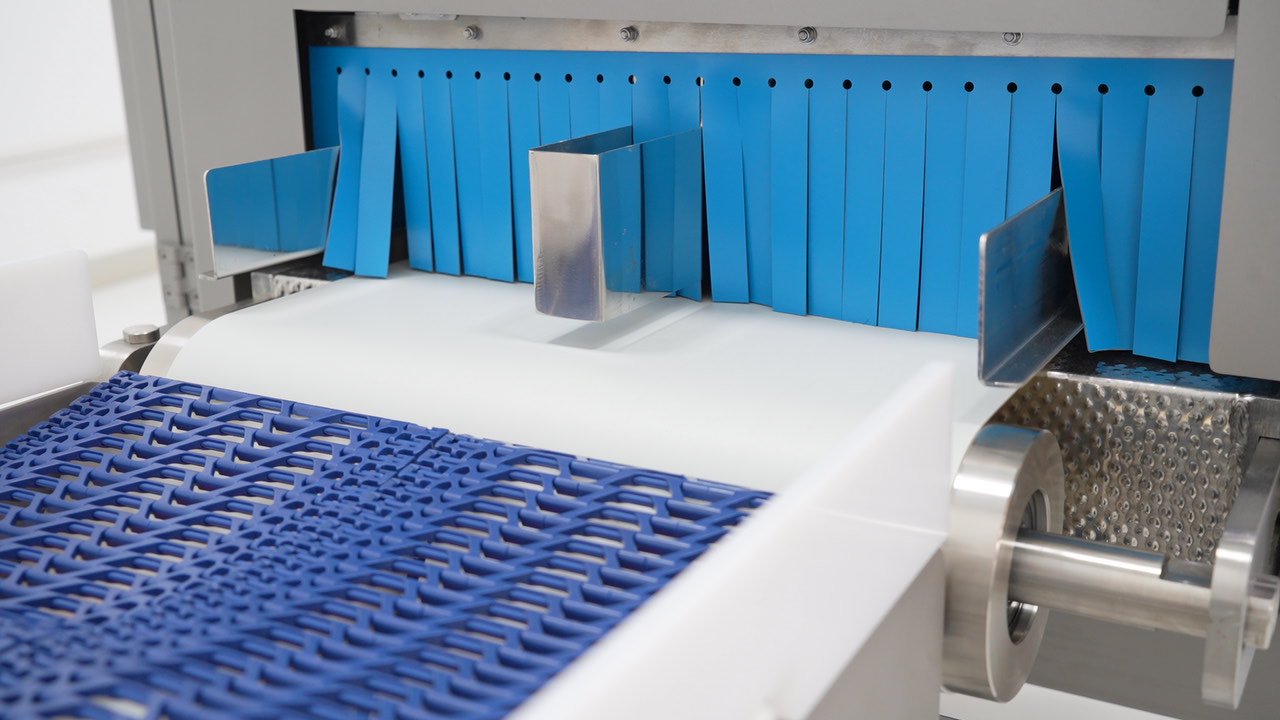
Fat analysis x-ray inspection systems do more than measure fat content. They also detect foreign materials such as bones, metals, and plastics in food. Dual energy x-ray absorptiometry analyzes the chemical composition of meat and identifies contaminants as products move through the line. This dual function streamlines food quality control and supports compliance with international food safety standards.
Raymantech’s system uses AI-powered image processing to enhance detection accuracy. It can spot thin or low-density contaminants that traditional metal detectors might miss. Automated reporting and self-learning capabilities make documentation and audits easier. These features protect businesses from regulatory risks and build consumer trust.
Food manufacturers see a strong return on investment with these systems. They benefit from fewer errors, less waste, and improved production efficiency. Real-time monitoring helps manage raw materials and ensures that every batch meets strict quality requirements. Accurate fat testing and contaminant detection are now possible in one step, making the Raymantech system a key tool for food producers.
Tip: Choosing a fat analysis x-ray inspection system with dual-energy x-ray absorptiometry and AI integration can help your business achieve both accurate fat testing and reliable contaminant detection.
Results, reliability, and industry applications
Interpreting fat analysis results
Fat content analysis provides clear data about the amount of fat in food products. X-ray inspection systems display these results in real time, allowing operators to make quick decisions. Accurate fat analysis helps producers adjust recipes and maintain consistent quality. When food companies use a fat analysis x-ray inspection system, they can track fat content for every batch. This process supports food quality control and helps meet strict industry standards. Reliable results also make it easier to pass audits and meet labeling laws.
Accuracy, reliability, and comparison to other methods
X-ray inspection offers high accuracy for meat fat analysis. Dual energy x-ray absorptiometry measures fat and lean tissue without damaging the food. This method works faster than traditional chemical tests and does not require sample destruction. Fat analyzers for meat use advanced detectors and AI to improve detection. Ensuring accurate fat measurement in food is important for both safety and quality. X-ray systems also detect foreign objects, making them valuable for meat inspection and overall food safety.
Applications in meat, seafood, and dairy industries
X-ray inspection has many uses in the food industry. The table below shows how meat processors use x-ray for fat analysis:
Application Area | Benefits |
|---|---|
Large primal cuts | Non-destructive measurement of fat distribution, maintaining consistent quality, achieving target fat-to-lean ratios. |
Ground meat and processed products | Real-time monitoring of mixed meat batches, ensuring consistent fat content, minimizing waste and rework. |
Versatility across protein types | Effective for various meats and seafood, maintaining consistent fat levels, enhancing product quality. |
In seafood and dairy, x-ray fat analysis gives precise fat content readings. This technology allows real-time monitoring and inline checks, which improves production and reduces waste. Dual energy x-ray absorptiometry supports compliance with food regulations.
X-ray inspection helps manufacturers meet food safety certification standards by:
Accurately measuring fat content in meat products
Supporting consumer safety through precise detection of fat levels
Providing quality assurance for a wide range of food products
Food companies rely on x-ray inspection to ensure every product meets high standards for safety and quality.
Fat content analysis by X-ray offers fast, accurate results for food safety and quality. Producers benefit from cost savings and better product standards.
Benefit | Description |
|---|---|
Avoiding Financial Losses | Prevents costly fat claims and lean meat giveaways. |
Compliance with Regulations | Ensures products meet standards, avoiding fines. |
Efficiency in Manufacturing | Improves processes, reducing costs and boosting productivity. |
Accurate fat testing supports brand integrity and quality control.
Raymantech systems help producers deliver safer, more consistent food.
FAQ
How does x-ray inspection measure fat content in meat?
X-ray inspection uses dual energy x-ray absorptiometry. It scans meat and calculates fat content by comparing how fat and lean tissue absorb x-ray energy.
Can x-ray inspection detect contaminants in food besides fat analysis?
Yes. X-ray inspection systems identify bones, metals, and plastics in food. They perform fat analysis and contaminant detection at the same time, improving meat safety.
Why is fat analysis important for meat and other food products?
Fat analysis helps producers control fat levels in meat and other food. It ensures quality, supports accurate labeling, and protects consumers from unsafe products.
Tip: X-ray inspection provides real-time fat analysis and contaminant detection, making food safer and more consistent.
Question | Answer |
|---|---|
Does x-ray inspection work for frozen meat? | Yes. X-ray inspection analyzes fat content and detects contaminants in frozen meat, fresh meat, and packed food products. |

Related Articles
-
 Jun-02-2026
RaymanTech X-ray Inspection Systems: The Complete Guide to a Smarter, Safer Production Line
When a single shard of glass, a fragment of bone, or an unnoticed plastic tie can trigger a multimillion-dollar recall and shatter consumer trust, food manufacturers can no longer rely on yesterday’s detection technology. RaymanTech has built an entire ecosystem of X-ray inspection solutions that go far beyond traditional metal detectors, delivering density-based, shape-aware, AI-enhanced inspection across every product format imaginable.learn more -
Jun-02-2026
How AI Is Changing the Game in Food Foreign Material Detection
AI enhances food foreign material detection by improving accuracy, speed, and reliability, reducing recalls and boosting food safety in manufacturing.learn more -
 Jun-02-2026
How Safe is X-ray Inspection of Food?
Consumers and manufacturers alike worry about contamination in food – broken glass, metal fragments, plastic or stone – entering a product and harming someone or prompting a recall. X-ray inspection systems have become a key solution: conveyors carrying packaged or unpackaged food pass through a shielded X-ray machine that “sees” inside each item. This technology complements traditional metal detectors and manual checks to catch a wider range of hazards. Importantly, extensive research and industry experience show that food X-ray inspection is extremely safe. Nearly everything we eat – from spices to snacks – is X-rayed at some point during production, and regulatory bodies (like the FDA) report “no known adverse effects” from the low-dose X-ray scans used in food plants.learn more




Follow us:
