 English EN
 Germany DE
 French FR
 Portuguese PT
 Spanish ES
.webp)
Post-freezing AI optical sorting for blackspot bruising, foreign materials, and grading control in IQF potato production
QF (Individually Quick Frozen) potato products are...
More

A Soybean optical sorter transforms how processors handle quality control. The machine delivers faster sorting, higher accuracy, and improved product consistency. Processors see reduced labor costs and fewer errors.
Many industry leaders trust this technology to boost efficiency and maintain competitive standards.

A Soybean optical sorter delivers unmatched accuracy and consistency in sorting operations. The machine inspects every soybean at full production volumes, ensuring that no defective beans slip through. High-resolution cameras and AI-powered analysis enable rapid and precise inspection. Processors benefit from 100 percent in-line inspection, which manual or mechanical methods cannot match.
Optical sorting provides faster and more accurate results than manual labor.
The technology eliminates subjectivity and inconsistency, maximizing throughput and product quality.
Consistent quality is crucial for processors who supply demanding markets.
Soybean optical sorters automate the sorting process, saving valuable time and boosting efficiency. The system can process hundreds of seeds per minute, far outpacing manual sorting.
Operators see significant improvements in throughput, allowing them to meet higher production targets without sacrificing quality.
A table below highlights typical performance metrics:
| Feature | Value |
|---|---|
| Sorting Speed | 222 seeds per minute |
| Total Sorting Accuracy | 98.87% |
| Inference Speed | 35 FPS |
Processors who adopt a Soybean optical sorter reduce their reliance on manual labor. The machine automates tedious sorting tasks, lowering labor costs and minimizing human error.
Labor savings allow companies to allocate resources to other critical areas.
Automated sorting eliminates fatigue-related mistakes, ensuring consistent results throughout long shifts.
Optical sorting technology removes low-quality, damaged, or objectionable beans from the harvest. This process ensures only premium soybeans reach the market.
Consistent removal of split, immature, or defective beans improves overall product quality.
Higher quality harvests attract both producers and consumers, increasing market value and brand reputation.
On-combine vision sorters further enhance efficiency by maintaining quality during initial processing.
A Soybean optical sorter helps processors maximize yield by reducing waste. The system identifies and removes only defective beans, preserving more usable product.
Processors achieve higher yields and minimize losses, which translates into greater profitability and sustainability.
Modern soybean optical sorters feature advanced software and real-time data capabilities.
Smart barcoding technology streamlines stock transfers and goods despatch.
Integrated cameras and barcode scanners validate lot movements, improving traceability.
Push notifications and automated emails keep operators informed of status updates.
Time-saving features and accuracy enhancements support efficient operations.
The Cimbria SEA.CX series offers machines with up to seven chutes and multiple technologies, including monochromatic, bichromatic, NIR, InGaAs, RGB Full Colour, and Shape Sizing.
Real-time data and interactive machine learning models enable rapid identification of seed quality issues. These features support better decision-making and quality control in soybean processing.
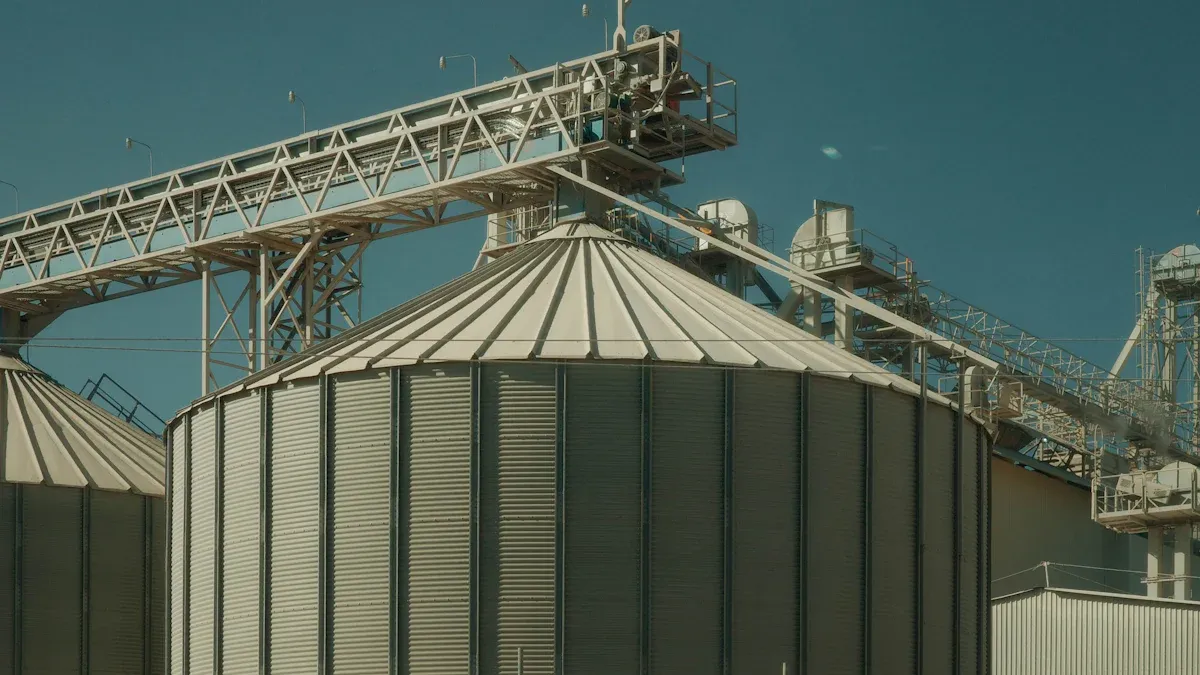
A Soybean optical sorter requires a significant upfront investment. Many processors find the purchase price higher than traditional sorting equipment. The cost includes not only the machine itself but also installation and integration into existing lines. Ongoing maintenance adds to the total cost of ownership. Regular cleaning, calibration, and servicing remain essential for optimal performance. The following table outlines typical maintenance tasks and their recommended frequency:
| Maintenance Task | Frequency |
|---|---|
| Daily cleaning of sorting channels | Daily |
| Weekly inspection of belts | Weekly |
| Monthly calibration checks | Monthly |
| Major servicing (motor overhauls) | Annually |
Processors must budget for both routine and unexpected repairs. These costs can impact profitability, especially for smaller operations. High-quality spare parts and specialized technicians may also increase expenses.
Operating a Soybean optical sorter demands technical expertise. The system uses advanced cameras, sensors, and software. Staff must understand how to calibrate the machine, interpret data, and troubleshoot issues. Training new operators takes time and resources. Many companies invest in ongoing education to keep up with software updates and new features. Without proper training, operators may struggle to achieve the desired sorting accuracy. This complexity can create a barrier for facilities with limited technical staff.
Note: Companies that invest in comprehensive training programs often see better long-term results and fewer operational disruptions.
Like any advanced machinery, a Soybean optical sorter can experience downtime. Mechanical failures, sensor errors, or software glitches may halt production. Even short periods of downtime can disrupt schedules and delay shipments. Regular maintenance reduces the risk, but unexpected malfunctions still occur. Access to skilled technicians and spare parts becomes critical for minimizing downtime. Some facilities keep backup systems or manual sorting teams on standby to handle emergencies.
Although a Soybean optical sorter offers impressive accuracy, it cannot detect every type of defect or contaminant. Some challenges remain, especially with subtle or complex issues. The most difficult problems for these machines to identify include:
Subtle shade and color differences
Speck defects
Foreign material
Insect damage
Mold
Decaying product
Processors may need to supplement optical sorting with manual inspection or additional equipment. These limitations can affect final product quality, especially for markets with strict standards.
Soybean optical sorters deliver the greatest value in operations that demand high throughput and strict quality control. Mid- to large-scale farms often prioritize seed purity and efficiency. These facilities process large volumes and require consistent results. Optical sorters excel in environments where manual sorting cannot keep pace with production demands. Farms growing high-value crops also benefit from advanced sorting technology. They maintain high seed quality standards and seek to maximize germination rates. The following table highlights scenarios where optical sorters prove most cost-effective:
| Scenario Type | Description | Benefits of Optical Sorter |
|---|---|---|
| Mid- to Large-Scale Farms | Farms that prioritize seed purity and efficiency. | Boosts seed purity and lowers manual sorting costs. |
| High-Value Crops | Farms with large planting areas and high seed quality standards. | Increases germination rates and reduces low-quality seed impact. |
Processors who supply premium markets or export products often choose optical sorters to meet strict buyer requirements. Automated systems help them maintain consistent quality and reduce labor costs.
Small farms or processors with limited budgets may find traditional sorting methods more practical. Manual or mechanical sorting suits operations with lower volumes and less stringent quality demands. These methods require less technical expertise and involve lower upfront costs. Facilities with unpredictable production schedules or frequent crop changes often prefer manual sorting for its flexibility.
Tip: Operators should evaluate their processing volume, quality standards, and available resources before investing in optical sorting technology.
Traditional sorting remains a reliable choice for those who prioritize simplicity and cost control over automation and advanced features.
Soybean optical sorters increase speed, accuracy, and product quality.
Large processors achieve better efficiency and higher standards with this technology.
Smaller facilities often prefer traditional sorting for cost control.
Careful evaluation of operational needs helps processors choose the best solution for their business.
Operators should perform calibration monthly. Regular calibration ensures accurate sorting and maintains product quality.
Tip: Follow manufacturer guidelines for best results.
Yes, most machines support multiple varieties. Operators can adjust settings for size, color, and shape.
Flexible software allows quick switching between batches.
A well-maintained sorter lasts 8–12 years.
| Maintenance | Lifespan Impact |
|---|---|
| Regular | Longer |
| Neglected | Shorter |

We provide you with comprehensive foreign trade solutions to help enterprises achieve global development
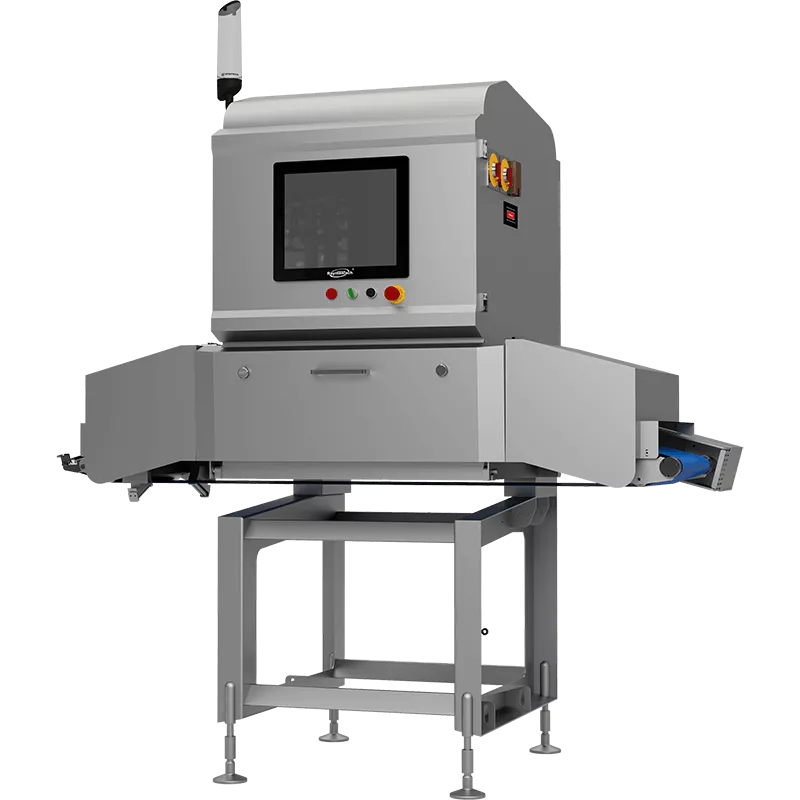
Uneven and overlapped product detection, thin & lo...
.webp)
Recommedation: Aquatic products, pet food, candy, ...
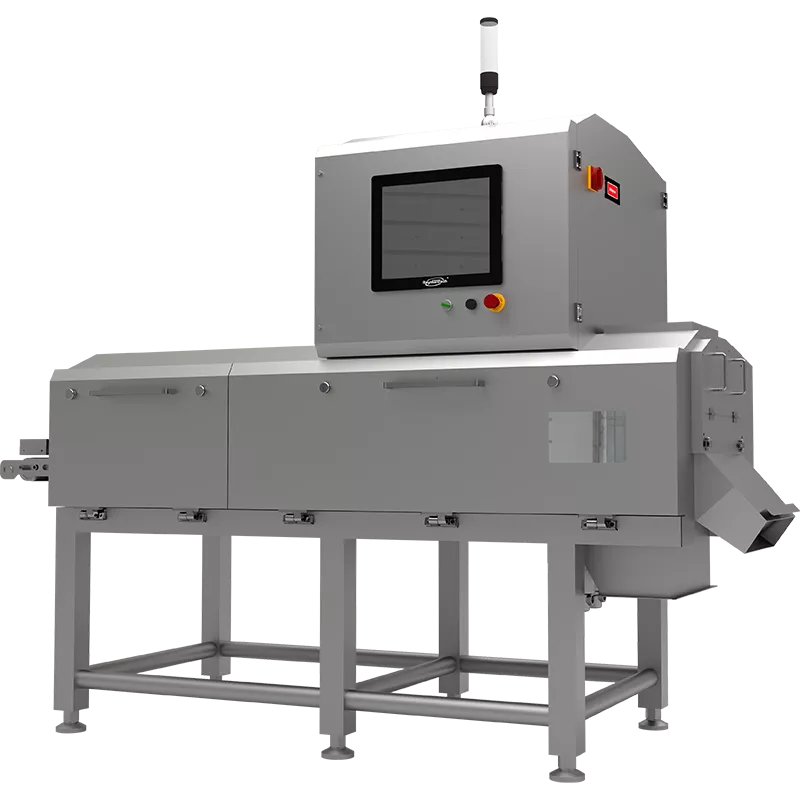
Conventional and unconventional contaminant detect...
.webp)
Recommedation: Chili, walnut, peanuts, soybeans, c...
Select the most popular foreign trade service products to meet your diverse needs
Select the most popular foreign trade service products to meet your diverse needs







User Comments
Service Experience Sharing from Real Customers
Michael Chen
Quality Control ManagerThis soybean optical sorter has revolutionized our production line. The accuracy in detecting and removing defective beans is exceptional, significantly improving our final product quality and reducing waste.
Sarah Johnson
Plant Operations DirectorA reliable and efficient machine. The sorting speed is impressive for our high-volume facility. Minor initial calibration was needed, but since then, it has performed consistently well with minimal downtime.
David Rodriguez
Production EngineerOutstanding investment. The optical sorter's advanced imaging system distinguishes between color defects and foreign material with precision we couldn't achieve manually. It has paid for itself in saved labor and improved yield.
Jennifer Williams
OwnerAs a mid-sized organic soybean processor, this sorter was a game-changer. It allows us to meet strict purity standards for our clients. The user interface is intuitive, and the technical support team is responsive.