 English EN
 Germany DE
 French FR
 Portuguese PT
 Spanish ES
.webp)
.webp)
Green Coffee Bean Optical Sorting: AI Defect Detection and Foreign Material Removal
Learn how AI optical sorting helps green coffee pr...
More

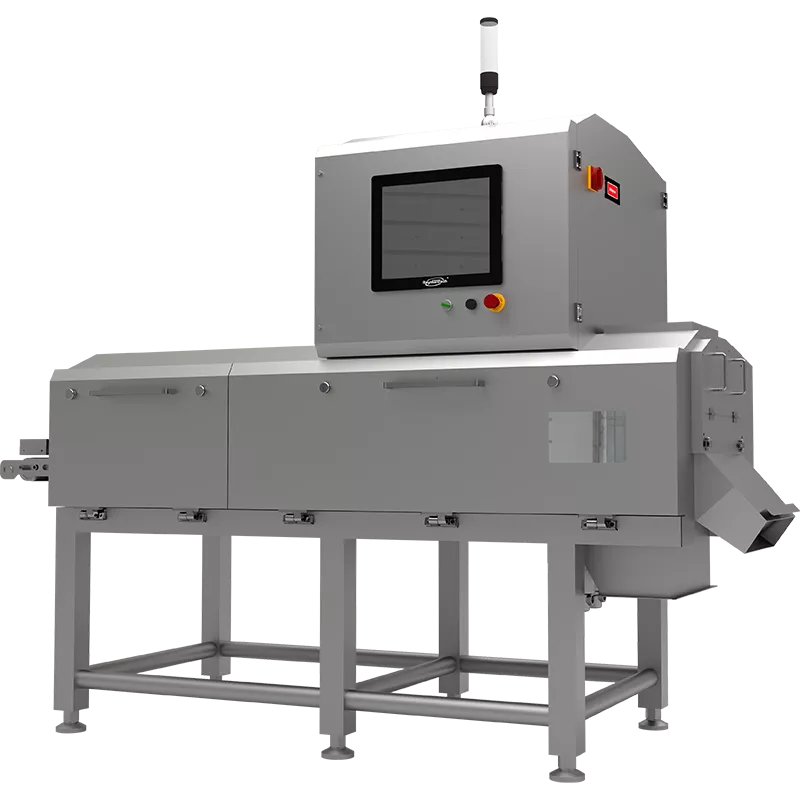
AI enhances X-ray systems, identifying difficult contaminants like low-density plastics and bone. The technology demonstrates superior sensitivity, reducing detection errors by up to 30%. For ai x ray for food applications, these adaptive algorithms continuously improve, minimizing false rejections and protecting product quality while reducing overall waste.
AI-powered X-ray systems represent a monumental leap forward from traditional inspection methods. These intelligent systems use advanced algorithms to analyze X-ray images with unparalleled precision. Machine learning and deep learning technologies enable the identification of a broader range of contaminants, including those previously invisible to older programs. The algorithms adapt and learn from new data, continuously improving their performance to stay ahead of emerging quality control challenges.
Traditional X-ray systems often struggle to detect low-density foreign materials. Contaminants like plastic, wood, or bone can have densities similar to the food product itself, making them difficult to distinguish. AI changes this dynamic entirely.
AI algorithms excel at identifying subtle variations in X-ray images that the human eye or conventional software would miss. For example, in poultry and fish processing, detecting tiny bone fragments is a critical safety measure. AI-enhanced dual-energy systems learn from production data to improve detection accuracy over time. They analyze the distinct absorption signatures of materials, allowing them to differentiate between organic matter like bone or cartilage and inorganic foreign objects.
Precision in Action 🎯 AI systems demonstrate remarkable sensitivity, capable of:
Detecting bone fragments as small as 0.1mm.
Identifying fish bones down to 0.18mm x 0.18mm in fillets.
Finding contaminants in challenging products like ground meats and mechanically separated poultry.
The challenge intensifies with products packaged in glass jars. Traditional systems face significant hurdles when inspecting for glass shards within a glass container.
| Challenge for Traditional Systems | How AI Provides a Solution |
|---|---|
| Identical Material Density | AI learns the specific signature of the container, identifying anomalies that indicate a foreign shard. |
| Varying Jar Wall Thickness | Algorithms adapt to expected variations in container shape, including thick bases and threads. |
| Blind Spots & Product Viscosity | AI analyzes the entire container image, not just one area, to find contaminants suspended in viscous products. |
By learning the characteristics of acceptable products, AI models flag any deviation as a potential issue, ensuring even the most complex contaminants are found.
Many food products have inherently complex structures that can confuse conventional X-ray systems. Overlapping components, uneven surfaces, and dense packaging create significant inspection challenges. Products like salad kits, with their mix of leaves, stems, and topping packets, present a difficult scenario where density variations can mask foreign objects.
AI software overcomes these issues by learning to recognize the product's normal, complex texture. It adapts to variations in product shape, size, and density. Advanced computer vision techniques enable the system to identify and measure irregularly shaped objects, even when they overlap or are positioned at odd angles. This capability is crucial for inspecting items like layered snacks or irregularly shaped meat cuts.
Furthermore, AI distinguishes true contaminants from harmless packaging artifacts. Wrinkles in a foil lid, overlapping plastic seams, or multilayer films no longer trigger unnecessary rejections. This intelligent differentiation is a core advantage of ai x ray for food inspection, as it minimizes false positives and reduces material waste. The system learns what an ideal product looks like—including its packaging—and only flags items that contain genuine foreign bodies. This automated process eliminates the need for constant human oversight, reducing manual errors and creating a more efficient, reliable quality control operation.
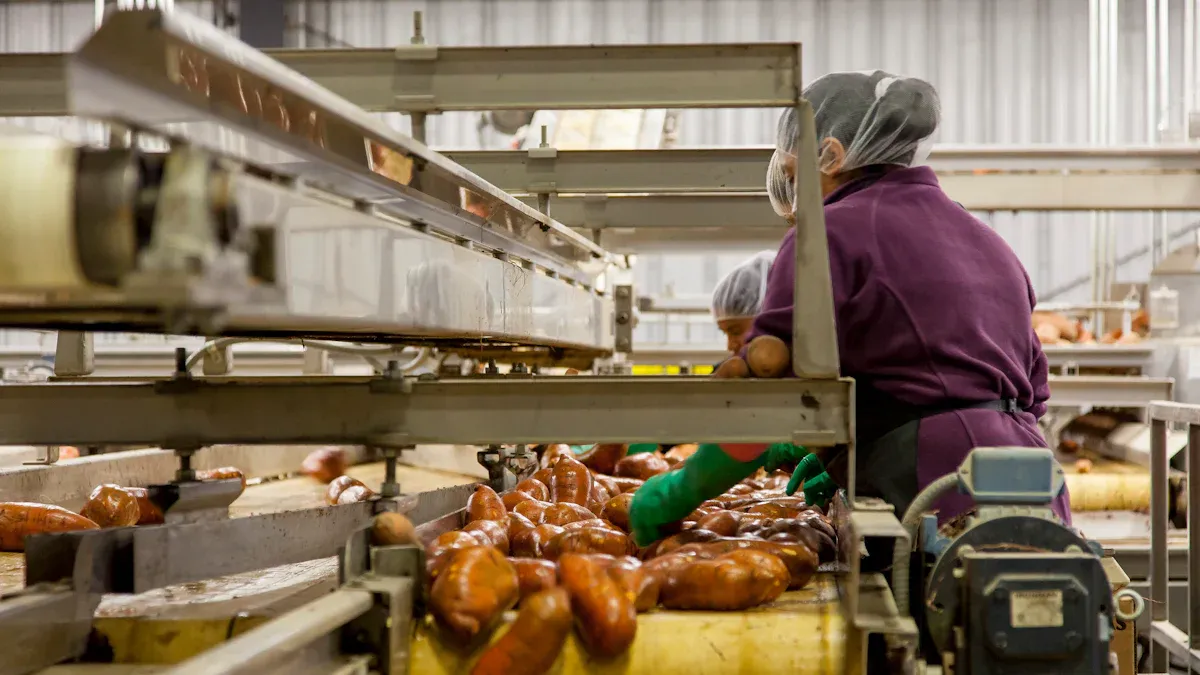
Beyond superior detection, AI-powered X-ray systems transform food production lines into smarter, more efficient operations. These systems move quality control from a reactive necessity to a proactive, data-driven strategy. By minimizing waste, reducing human error, and providing actionable insights, the technology delivers significant operational and financial advantages. The integration of an ai x ray for food system is a strategic investment in operational excellence.
One of the most significant operational drains in food production is the false rejection of perfectly good products. Traditional systems, unable to distinguish between a true contaminant and a harmless product variation, often discard safe items. This directly leads to higher costs from wasted ingredients, unnecessary labor, and lost production capacity.
AI systems solve this problem with remarkable precision. By learning the acceptable variations of a product, AI algorithms drastically reduce the number of false positives. This intelligent sorting ensures that only genuinely contaminated or defective products are removed from the line.
A walnut grader, Valnoce, provides a powerful example. After implementing an AI-powered X-ray system, the company achieved a 20% reduction in false positives. This improvement directly increased their marketable yield by retaining more compliant walnuts that older systems would have discarded.
This reduction in waste translates directly to higher profitability. Manufacturers can maximize their output from the same amount of raw materials, boosting overall equipment effectiveness (OEE). A processed meat manufacturer saw similar gains. Their AI system learned to ignore harmless tray warping, reducing false detections of seal defects to less than 0.3%. This eliminated the need for manual oversight and provided clear data for further productivity improvements. Reducing rejects improves efficiency, cuts costs, and increases final output.
Manual inspection is inherently limited by human factors. Operator fatigue, inconsistency between shifts, and the sheer speed of modern production lines make it nearly impossible for human inspectors to maintain perfect accuracy. Studies show that manual inspection error rates can be as high as 20%, with missed defects increasing during long shifts.
AI-powered automation removes these variables entirely. An ai x ray for food inspection system operates with consistent precision 24/7, free from fatigue or cognitive bias. It evaluates every single item against the same exacting criteria. This automated process eliminates a wide range of manual errors, including:
Inconsistent defect identification across different personnel.
Reduced accuracy and performance during long shifts.
Failure to spot subtle or microscopic defects.
By automating inspection, companies free employees from repetitive, error-prone tasks. This allows human resources to focus on more strategic activities that require critical thinking. The system handles the high-speed, real-time analysis, while employees can manage overall process improvement. This not only boosts efficiency but also enhances safety by standardizing quality control and reducing the chances of a defective product reaching the consumer.
Perhaps the most transformative benefit of AI X-ray systems is their ability to turn inspection data into actionable intelligence. Every scan generates a wealth of information that goes far beyond a simple pass or fail. These systems collect and analyze data on product characteristics, contaminant types, and rejection trends in real time.
This continuous stream of structured data creates a powerful feedback loop. Manufacturers can use this information to move from defect detection to defect prevention. For example, by analyzing trend data, a manager might discover that a specific contaminant appears more frequently when a certain piece of upstream equipment is used.
With the right data collection software, an inspection result can immediately trigger a response. It can flag a product for rework, log the issue for traceability, or even adjust an upstream process to prevent repeat defects. This turns inspections into a continuous improvement engine.
This capability connects inspection insights to the entire manufacturing ecosystem, including MES and ERP systems. This integration enables predictive quality management. AI algorithms can analyze historical data to forecast potential issues, allowing teams to perform proactive maintenance before a machine fails or a process deviates. This data-driven approach also strengthens regulatory compliance. AI systems can automatically compile and audit data against standards from bodies like the FDA and USDA, ensuring records are always accurate and audit-ready. This transforms compliance from a reactive chore into a proactive, automated strategy.
AI X-ray inspection delivers superior detection and drastically cuts false rejections. This creates a smarter, adaptive quality control process. Adopting an ai x ray for food system is a strategic move. It protects brand reputation, enhances operational efficiency, and ensures the highest quality products reach consumers, building lasting trust.
The system trains on images of the new item to learn its normal appearance. This process creates a specific inspection model, ensuring accurate analysis for that particular product line.
Yes, these systems are designed for integration. They connect with existing equipment and software like MES or ERP systems. This allows for seamless data sharing and process automation.
Modern AI systems feature user-friendly interfaces. Operators typically require minimal training to manage daily operations, as the system automates the complex analysis and simplifies the user's role.

We provide you with comprehensive foreign trade solutions to help enterprises achieve global development
.webp)
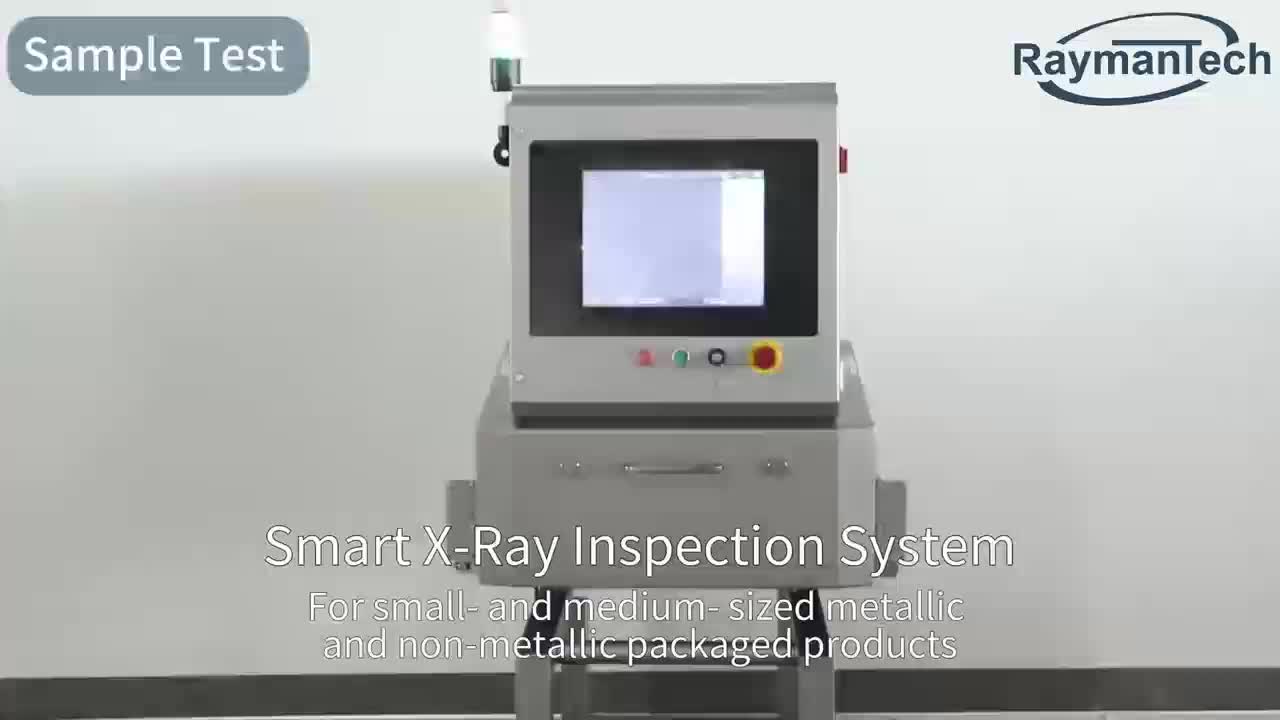
Designed to inspect small- and medium-sized food p...
.webp)
Automatic recognition and rejection, fish bone ins...
.webp)
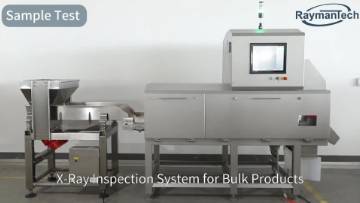
Recommedation: Chili, walnut, peanuts, soybeans, c...
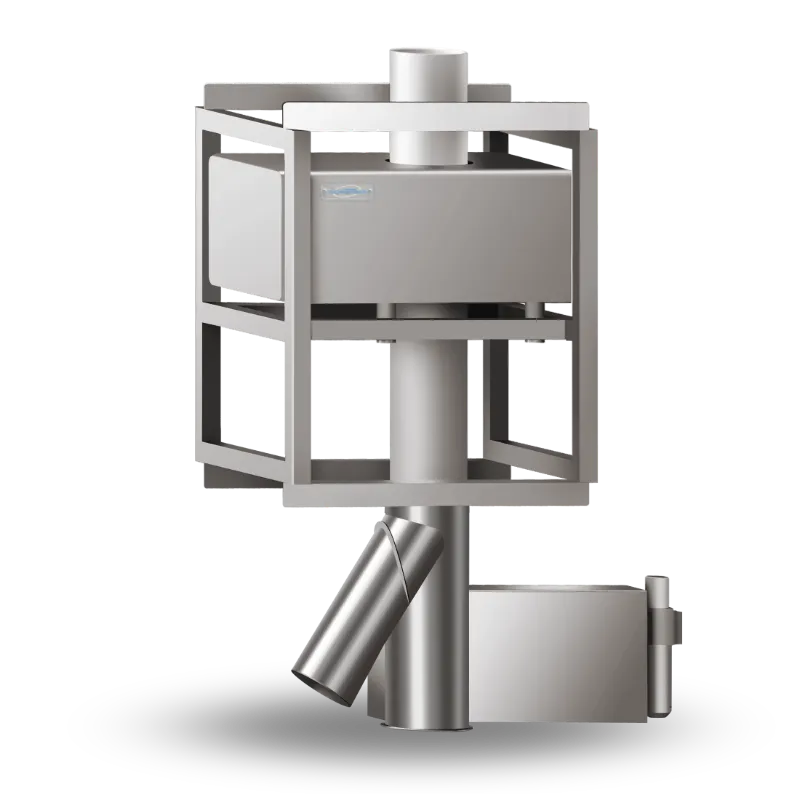
RaymanTech Gravity Fall Metal Detector detects fer...
Select the most popular foreign trade service products to meet your diverse needs
Select the most popular foreign trade service products to meet your diverse needs






User Comments
Service Experience Sharing from Real Customers
Michael Chen
RadiologistThis AI X-ray analysis tool has revolutionized our workflow. The accuracy in detecting early-stage fractures is remarkable, significantly reducing our reading time and improving patient outcomes.
Sarah Johnson
Clinic ManagerImplementing the AI X-ray system has greatly enhanced our diagnostic efficiency. The automated preliminary reports are a game-changer, allowing our radiologists to focus on complex cases. Setup was straightforward.
David Rodriguez
Orthopedic SurgeonAs a surgeon, the precision of this AI in highlighting subtle joint abnormalities and alignment issues is invaluable. It has become an essential second opinion in our pre-operative planning, improving surgical accuracy.
Jennifer Williams
Chief Technology OfficerFrom a technical leadership perspective, integrating this AI X-ray solution into our hospital's existing PACS was seamless. Its robust API and continuous learning algorithms ensure our diagnostic capabilities stay at the forefront. A superb investment.