 English EN
 Germany DE
 French FR
 Portuguese PT
 Spanish ES
.webp)
.webp)
Introduction to RaymanTech Optical Sorters for Farm Products and Food Processors
RaymanTech, as a leading provider of inspection an...
More

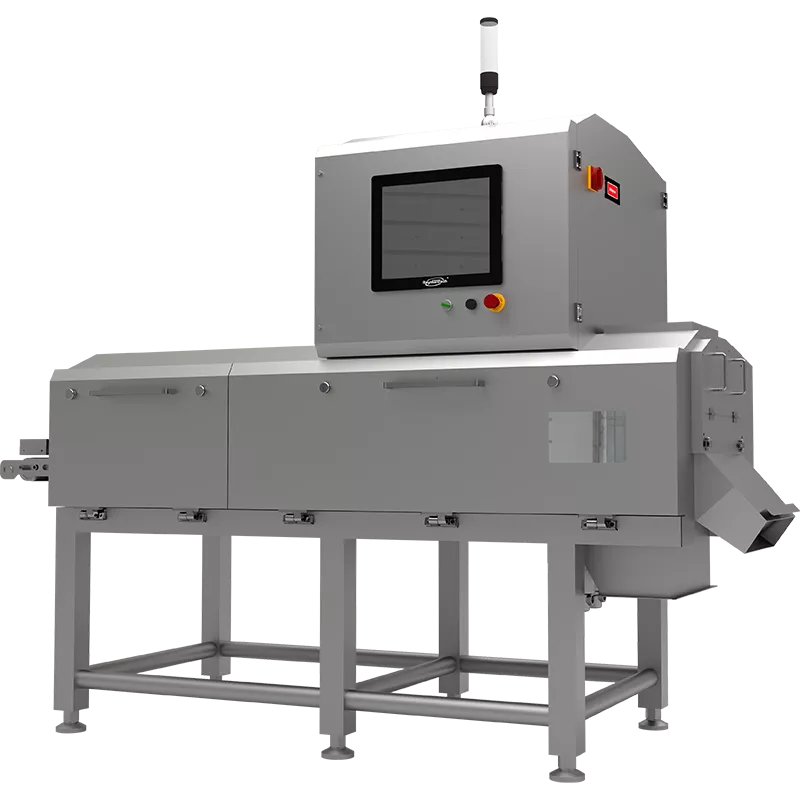
Syringe inspection x-ray offers manufacturers a reliable method to detect hidden dangers in syringes. This advanced technology identifies defects that escape visual checks.
Patients rely on safe medical devices. X-ray inspection reveals issues invisible to the naked eye, helping ensure syringe safety and quality control.
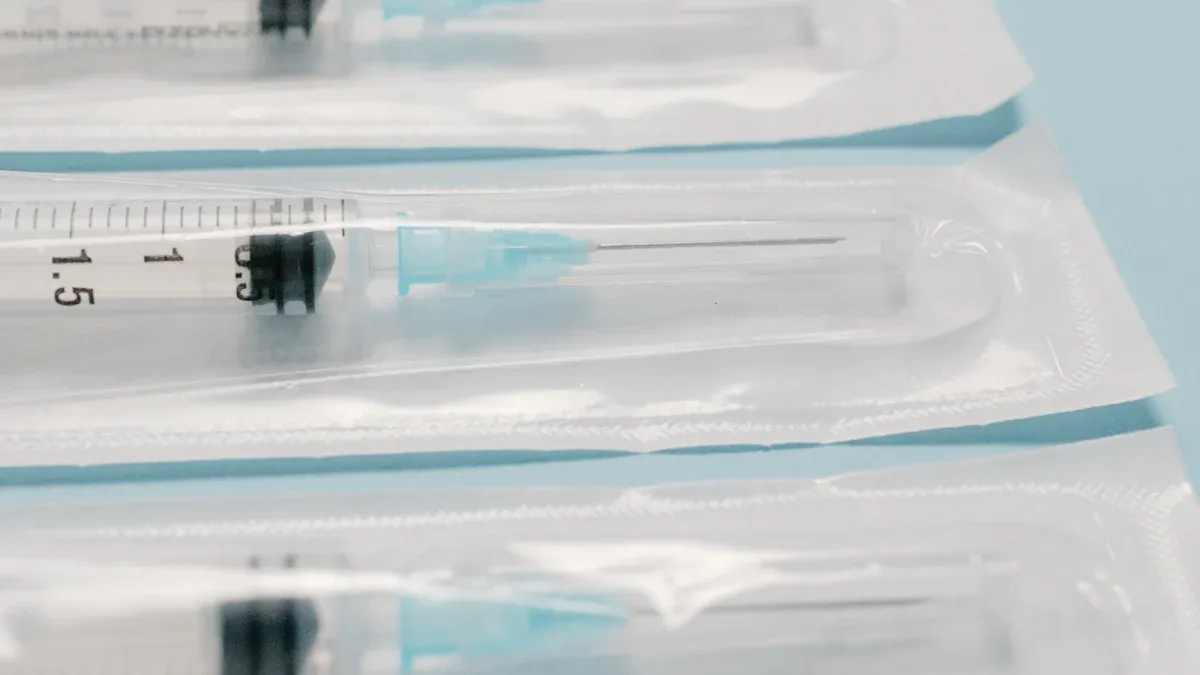
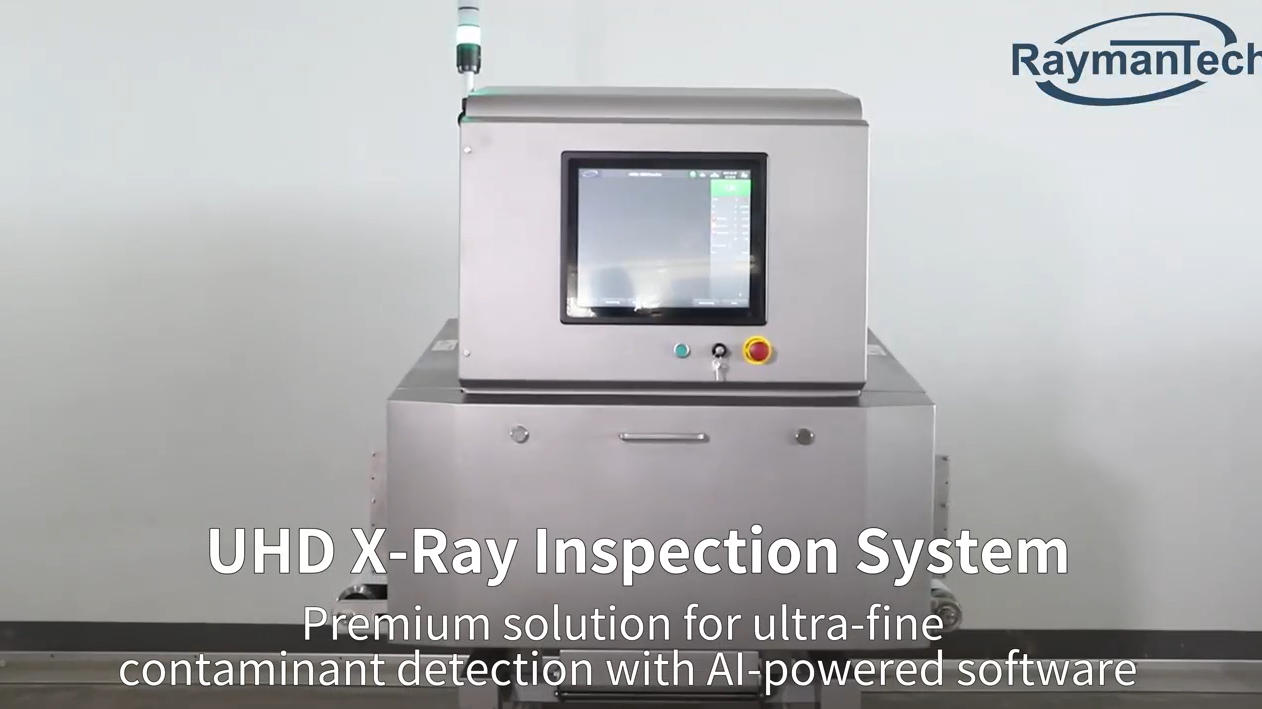
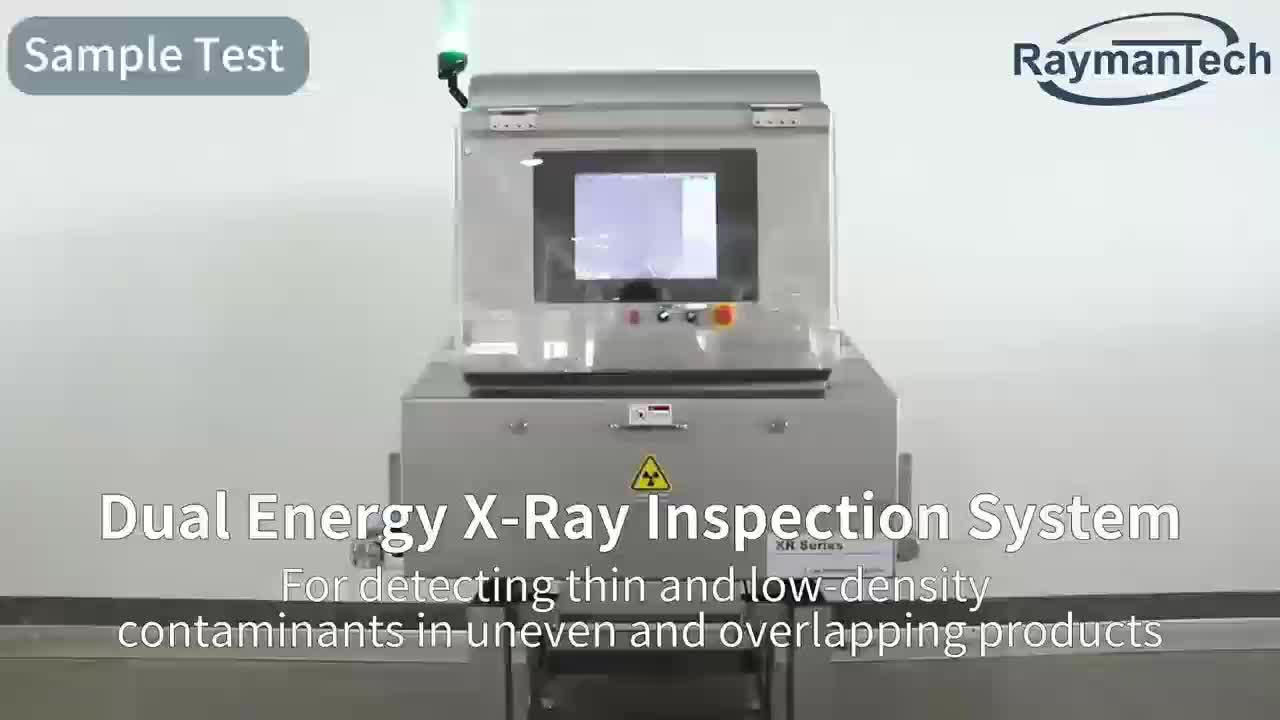
Syringe inspection x-ray relies on advanced imaging to visualize the internal structure of syringes. The technology uses greyscale imaging, where darker areas on the x-ray image indicate more material in the beam path. This method allows for detailed analysis of each syringe, revealing dimensional discrepancies such as syringes that are too short or too long. The system can inspect sealed packaging and verify the presence of all components, even those hidden from view.
X-ray inspection systems count syringes and needles inside packaging, ensuring that every kit contains the correct number of items. This process supports manufacturers in meeting strict quality control standards.
The most common x-ray systems used in the medical device industry include:
| X-Ray System Type | Common Applications |
|---|---|
| Digital Realtime X-ray (DR) | Failure analysis, product development, metrology, first-article inspection |
| Computed Tomography (CT) | Quality assurance for syringes and other medical devices |
These systems integrate with automated manufacturing lines, providing non-destructive testing that detects contaminants and verifies fill levels. Although integration requires customization and may increase costs, the benefits for product integrity are substantial.
Syringe inspection x-ray excels at identifying defects invisible to the naked eye. The technology detects cracks in syringe barrels, air bubbles trapped within the liquid, and foreign particles that could compromise sterility. Manufacturers use advanced algorithms to improve detection accuracy, generating reports that estimate the percentage of defective syringes and the likelihood of false negatives.
Inspection machines produce detailed production reports.
Experts manually verify samples to validate machine data.
High precision and recall values help balance defect detection, minimizing false negatives and avoiding excessive false positives.
Industry standards require x-ray inspection to ensure package integrity and count components in disposable syringe kits. The process detects damaged parts, reducing the risk of product recalls and enhancing patient safety.
X-ray inspection technology is vital in the pharmaceutical industry. It ensures products are free from contaminants and that all necessary components are present, aligning with industry standards for quality control.
Assembly errors and needle misalignment pose significant risks in syringe manufacturing. Syringe inspection x-ray identifies these issues by analyzing the internal structure and alignment of components. The technology can spot needles that are not properly seated or are bent, which could lead to malfunction or injury.
X-ray systems verify that critical components are present and correctly assembled.
The process prevents potential patient injuries by ensuring proper alignment.
Manufacturers adhere to stringent regulations, using x-ray inspection to enhance product safety and compliance.
Safety considerations remain a priority. Pulsed x-ray technology reduces radiation exposure to levels far below regulatory thresholds. Simple shielding methods suffice, making integration into production lines straightforward and safe for workers.
Future advancements in syringe inspection x-ray focus on improved detection of internal flaws, foreign particles, and fill inconsistencies. AI-powered imaging and machine learning algorithms promise to revolutionize defect detection, while 3D tomography emerges as a significant technology in this field.
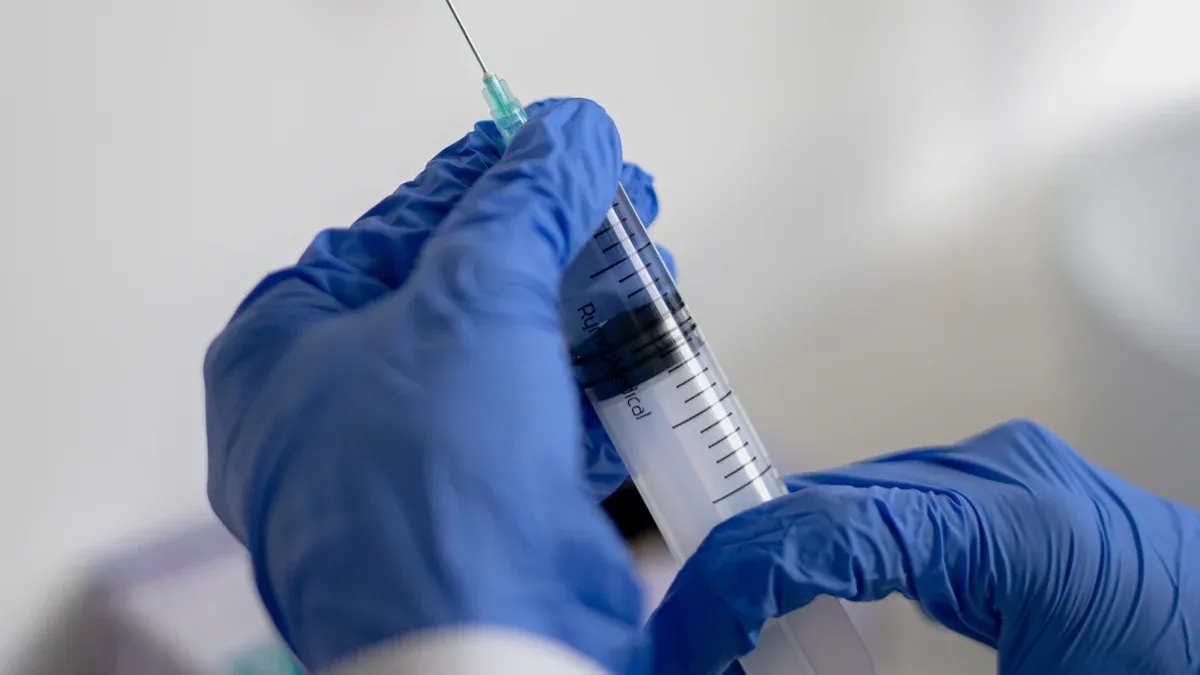
Visual and manual inspection remain common in syringe manufacturing, but these methods have significant limitations. Human inspectors often miss subtle defects due to performance variability and fatigue. The probability of detecting a 150-micron particle hovers around 70%, and smaller particles escape notice even more frequently. Inspectors show variability in their detection rates, both between individuals and over time. Bias in defect classification can also affect reliability. Expecting 100% detection of critical defects is unrealistic and introduces systemic risks.
Human performance varies, leading to inconsistent results.
Not all defects are found due to the probabilistic nature of detection.
Bias and fatigue reduce reliability.
Syringe inspection x-ray offers several advantages over traditional methods. The technology processes hundreds of syringes per hour, providing high accuracy and nondestructive testing. It detects functional defects, such as needle misalignment, that manual inspection may overlook. The following table highlights key differences:
| Advantage | Syringe Inspection X-Ray | Traditional Methods |
|---|---|---|
| Speed | Processes hundreds/hour | Slower processing rates |
| Accuracy | High accuracy | Variable accuracy |
| Nondestructive Testing | Yes | Often destructive |
| Functional Defect Detection | Yes | Limited capabilities |
X-ray inspection also surpasses other technologies in speed and effectiveness, identifying a wider range of contaminants and defects than methods focused solely on metal detection.
Syringe inspection x-ray has transformed quality control in the medical device industry. Automated inspection machines reduce human error and improve operational efficiency, lowering recall risks and supporting regulatory compliance. Regulatory mandates and FDA standards drive adoption, while increased consumer awareness fuels demand for product safety. Manufacturers benefit from cost-effective third-party x-ray inspection, which is far less expensive than a full product recall.
Currently, the one major limitation of X-ray imaging is that it is not ideally suited yet for in-line analysis, particularly for certain features of interest. The technology is constantly evolving, though, with higher-resolution and higher-speed detectors, in combination with advancements in software analysis, which will help overcome the issues that are limiting the use of X-ray analysis in production environments.
Syringe inspection x-ray provides manufacturers with a reliable method to detect hidden dangers in syringes.
This technology reduces the risk of defective syringes reaching patients.
Manufacturers rely on it as a critical part of modern syringe quality assurance.
Syringe inspection x-ray identifies cracks, air bubbles, foreign particles, and needle misalignment. The system also verifies assembly errors and missing components.
Manufacturers use pulsed x-ray technology. Shielding methods keep radiation exposure well below regulatory limits. Workers remain safe during routine operation.
X-ray inspection provides higher accuracy and speed.
Manual inspection often misses subtle defects due to human error and fatigue.

We provide you with comprehensive foreign trade solutions to help enterprises achieve global development
.webp)
Automatic recognition and rejection, fish bone ins...
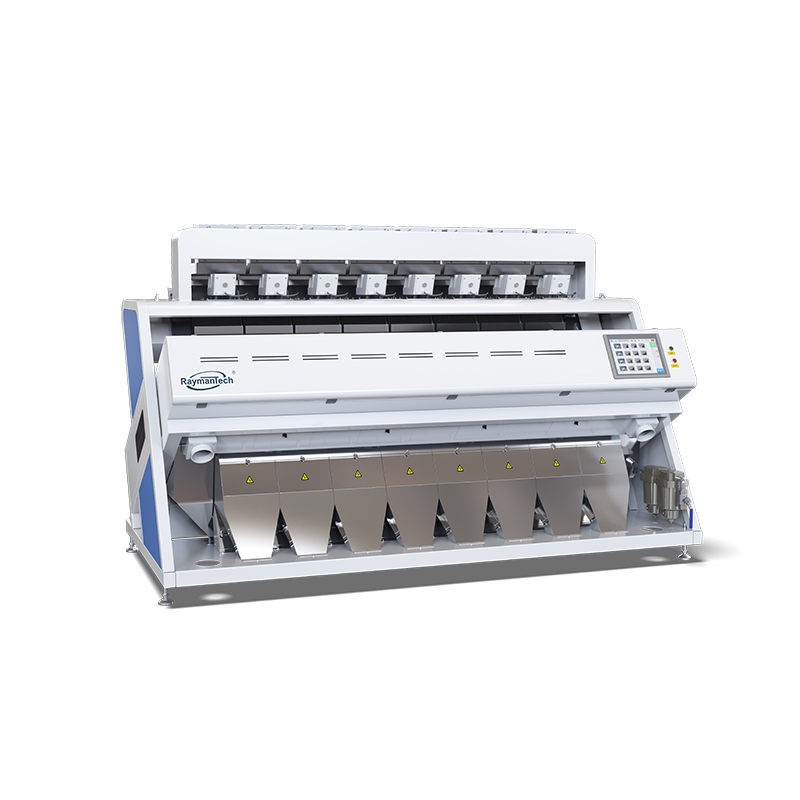
Recommedation: Rice, wheat, corn, grain, pulses, s...
.webp)
Recommedation: Chili, walnut, peanuts, soybeans, c...
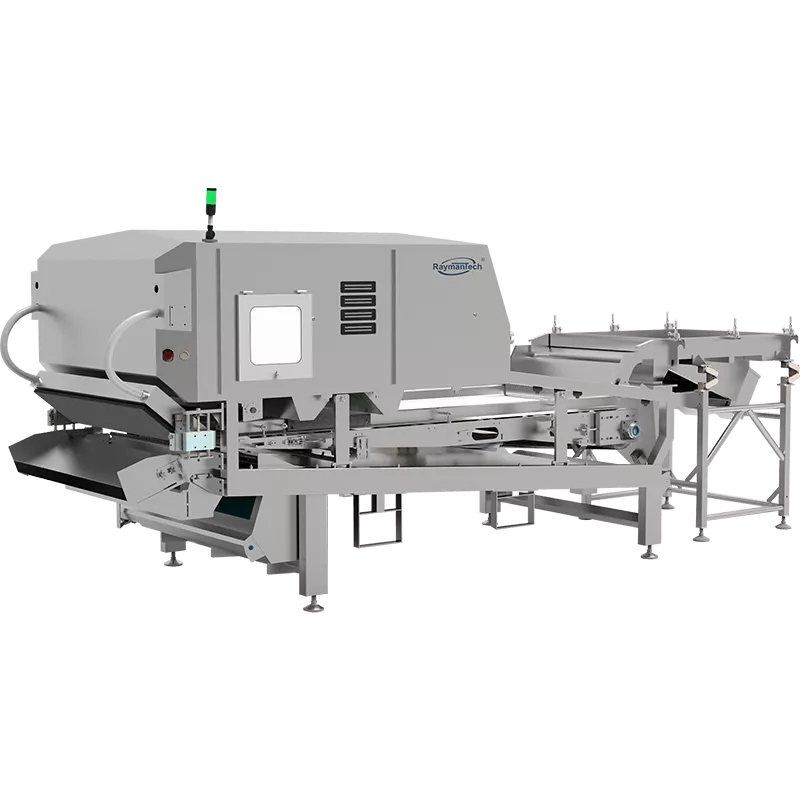
Recommedation: Frozen vegetables such as green be...
Select the most popular foreign trade service products to meet your diverse needs
Select the most popular foreign trade service products to meet your diverse needs








User Comments
Service Experience Sharing from Real Customers
Michael Chen
Quality Assurance ManagerThis syringe inspection x-ray system is a game-changer for our production line. The defect detection accuracy is exceptional, catching micro-cracks and fill-level inconsistencies we previously missed. It has significantly reduced our risk and improved product safety.
Sarah Johnson
Production SupervisorOutstanding machine. The high-resolution imaging allows for precise inspection of syringe barrels and plungers. Integration with our existing line was smooth, and the user interface is intuitive. A reliable and critical piece of equipment for ensuring sterile injectable quality.
David Rodriguez
Process EngineerHighly effective system for automated visual inspection. The x-ray technology reliably identifies particulate contaminants and structural flaws without contact. It has boosted our throughput while maintaining stringent quality standards. Minor software updates could improve reporting features.
Emily Watson
Laboratory DirectorAs a contract testing lab, this x-ray inspection unit provides us with definitive, non-destructive analysis for client syringes. The clarity of the images and the sensitivity in detecting internal defects are impressive. It has become an essential service we offer, building tremendous trust with our clients.