 English EN
 French FR
 Portuguese PT
 Spanish ES
.png)
Revolutionizing Quality Control with Advanced Hazelnuts Sorting Machines
Advanced nut sorting machine technology combines H...
More

Selecting the right sorter depends on the target material. An X-Ray sorter is the best choice for dense contaminants like metal. Camera sorters provide the ideal solution for quality issues like color defects. A laser sorter, sometimes a freeze dried pet food optical sorter, offers superior detection for foreign materials.
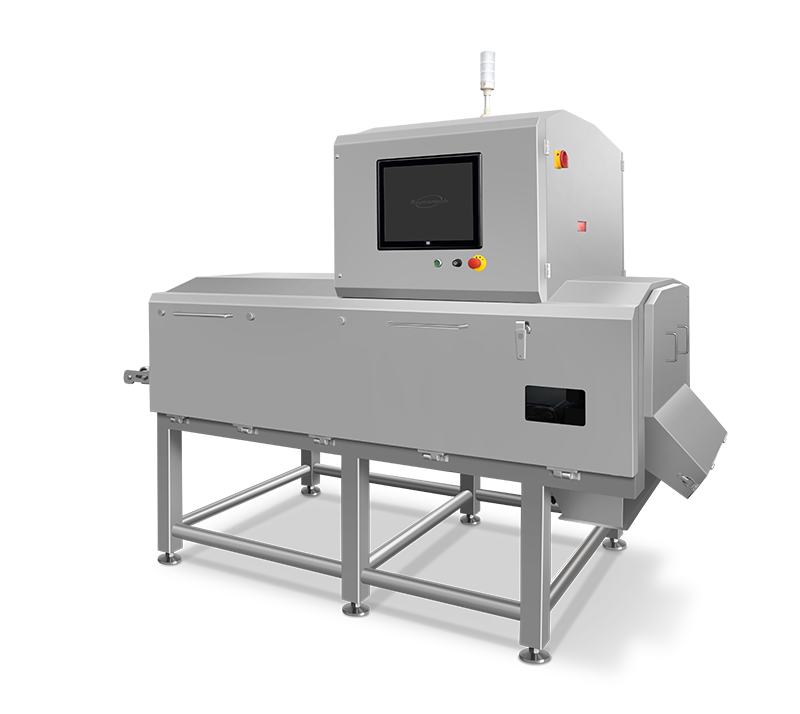
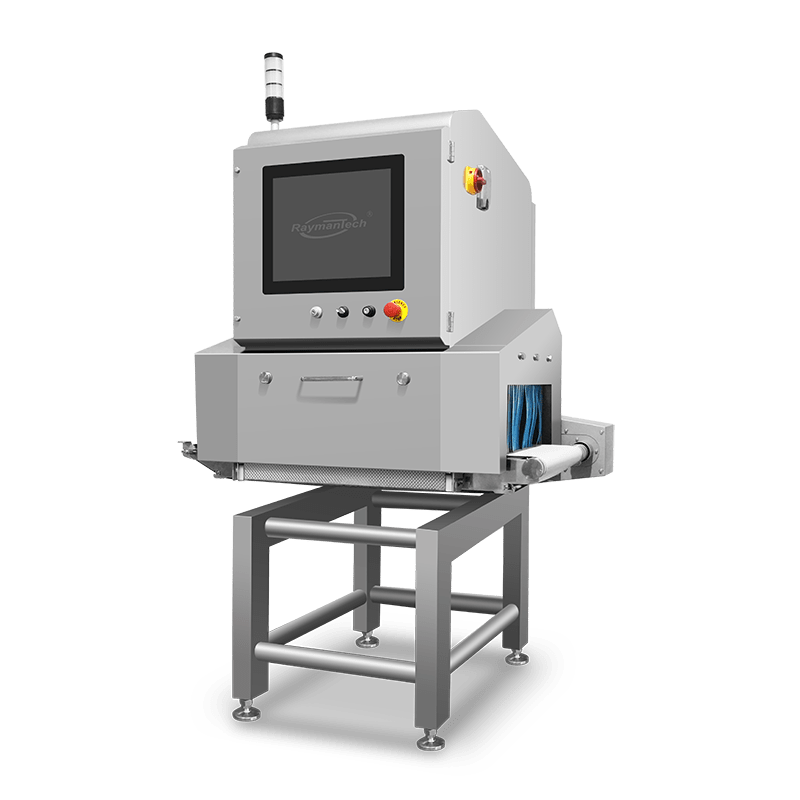
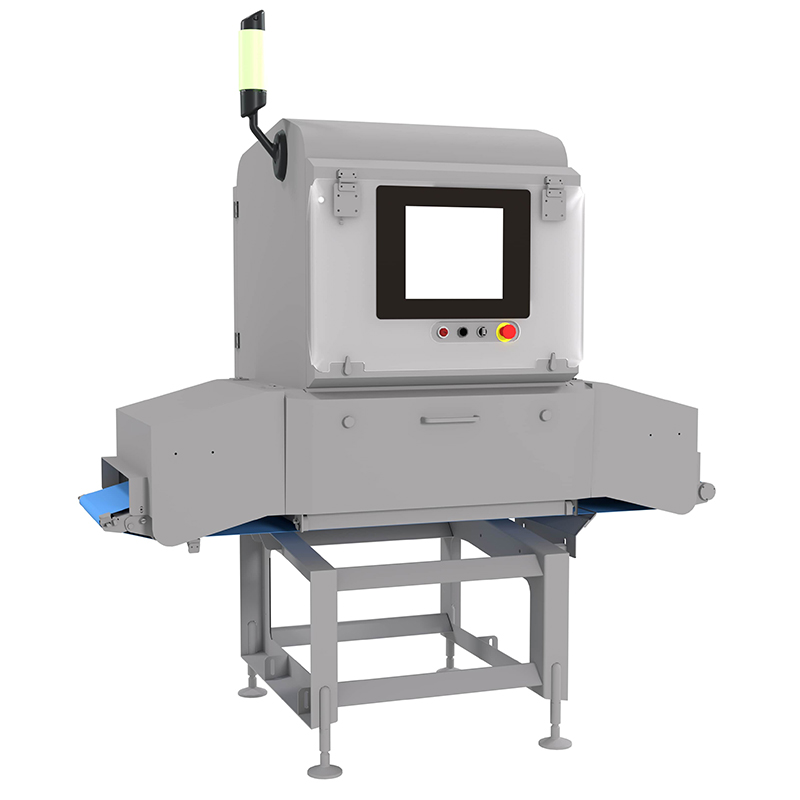
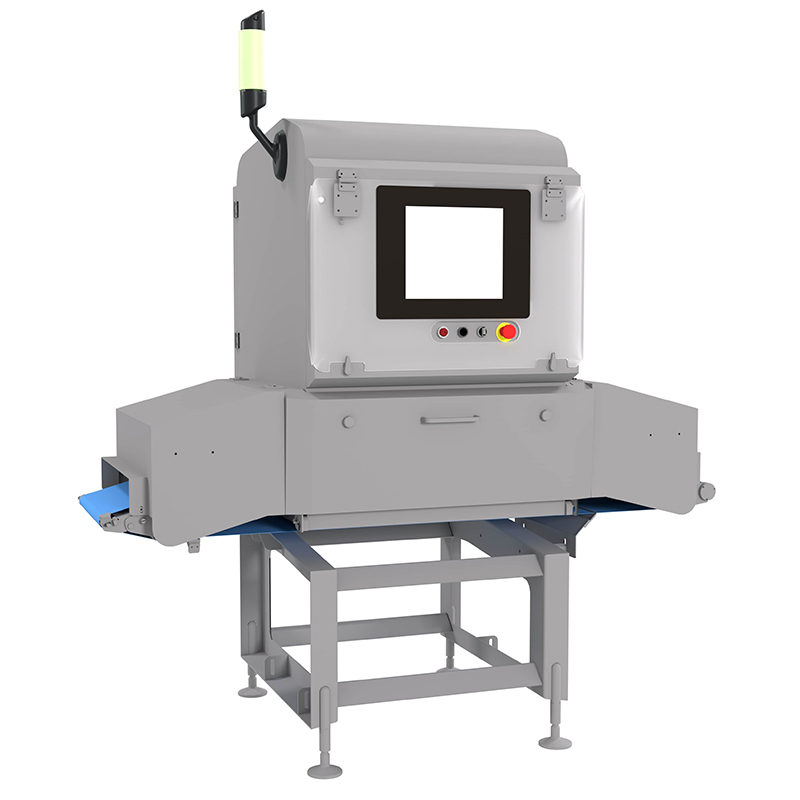
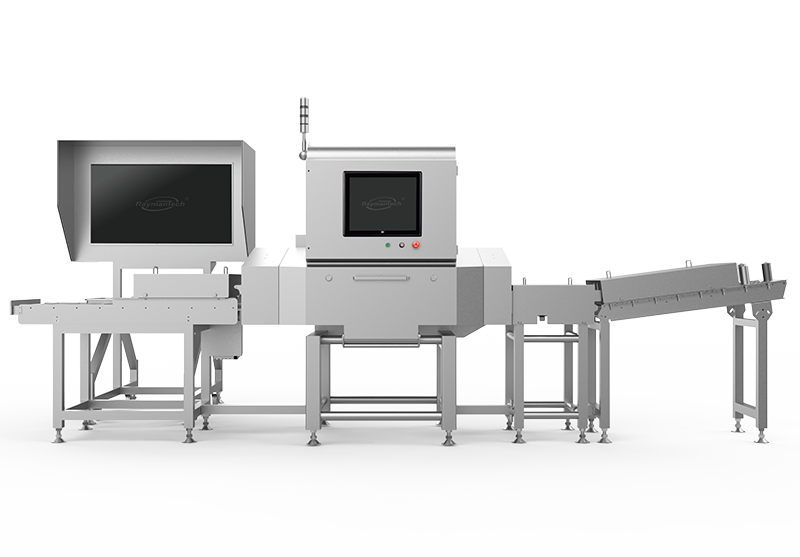
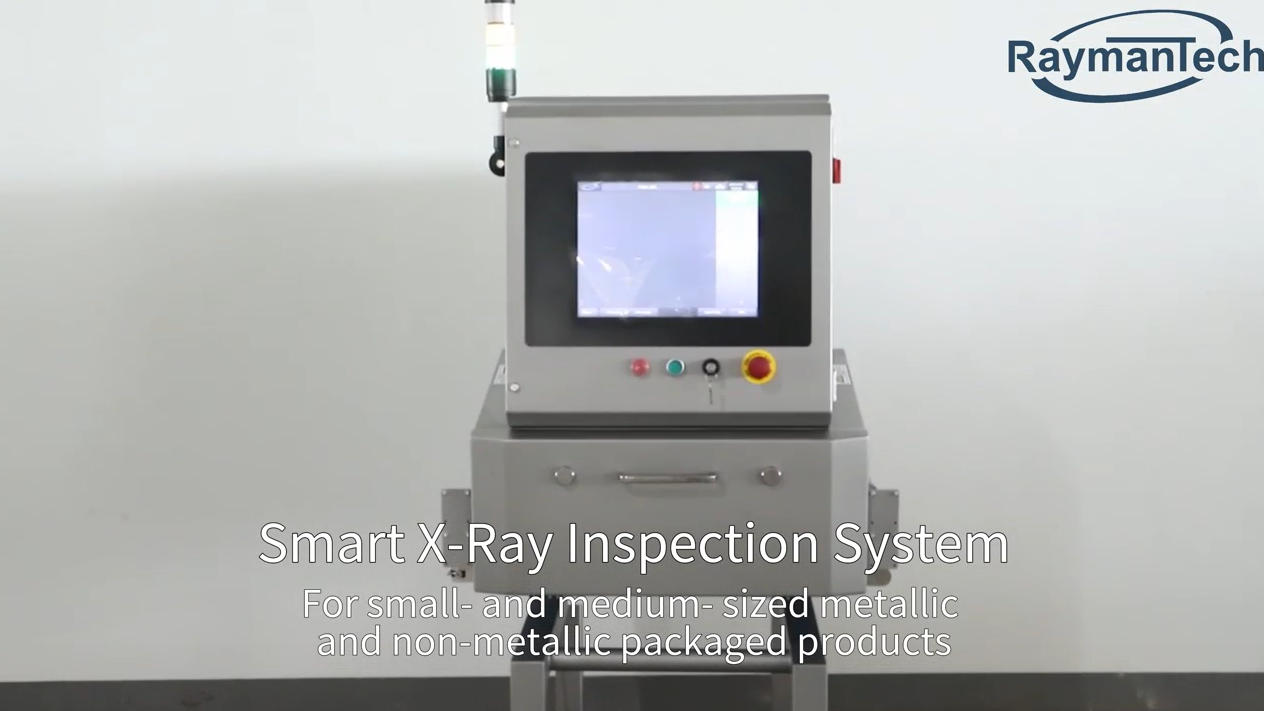
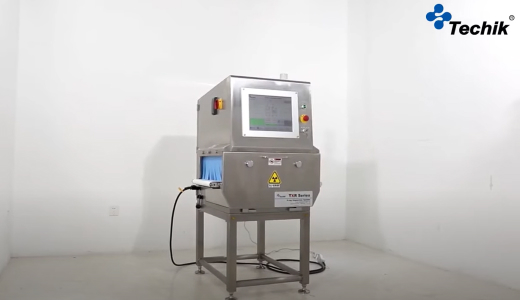
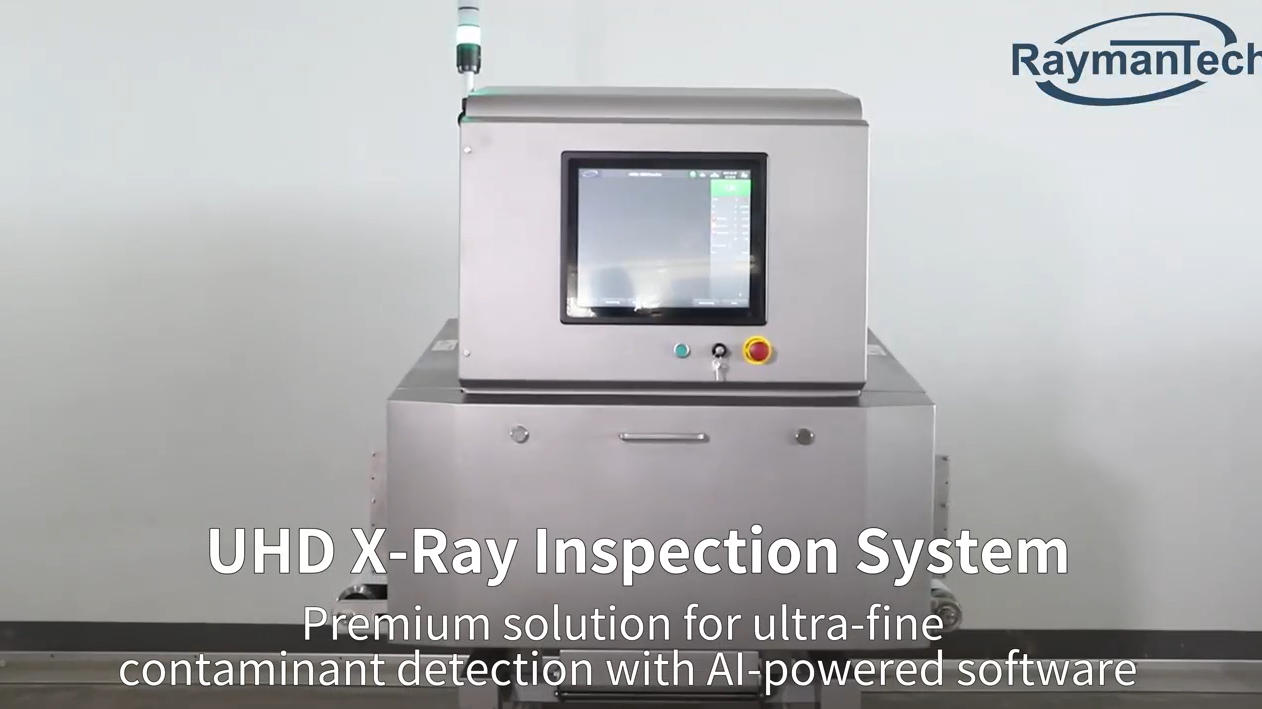
An X-ray inspection system is a pet food manufacturer's most powerful tool for ensuring product safety from dense physical hazards. Its technology operates by measuring density differentials, making it uniquely suited for specific, critical applications in the production line.
The primary function of an X-ray sorter is to identify and remove foreign materials that are denser than the pet food itself. Modern systems are incredibly precise, capable of detecting metal, glass, and stone fragments down to just 0.3–1.0 mm. This capability is crucial for eliminating dangerous contaminants that can enter the supply chain. Common dense contaminants include:
Heavy metals like lead (Pb), cadmium (Cd), and arsenic (As)
Fragments of stainless steel or non-ferrous metals
Pieces of glass or stone
Calcified bone fragments
Animal-based ingredients are often more susceptible to contamination with these toxic metals, making X-ray inspection an essential safety measure.
X-ray sorters provide maximum value when placed at the end of the production line for final package inspection. Because X-rays can penetrate packaging materials like metal cans, foil pouches, and plastic bags, they can inspect the finished product just before it ships.
This placement establishes a critical control point (CCP) that helps manufacturers adhere to global food safety requirements, including HACCP, FDA FSMA, and BRCGS standards. 🛡️
Beyond finding contaminants, these systems simultaneously perform vital quality checks. They can verify fill levels, measure mass, check for seal integrity, and identify missing components inside the sealed package.
While unparalleled for density-based detection, an X-ray sorter has significant limitations for general quality control. It cannot "see" color, shape, or surface texture. Therefore, it will not detect kibble that is burnt, misshapen, or the wrong size. It also struggles to identify low-density foreign materials, such as:
Wood fragments
Thin plastics
Human hair
Light metals like aluminum foil
For these types of quality defects and contaminants, manufacturers must turn to other sorting technologies.
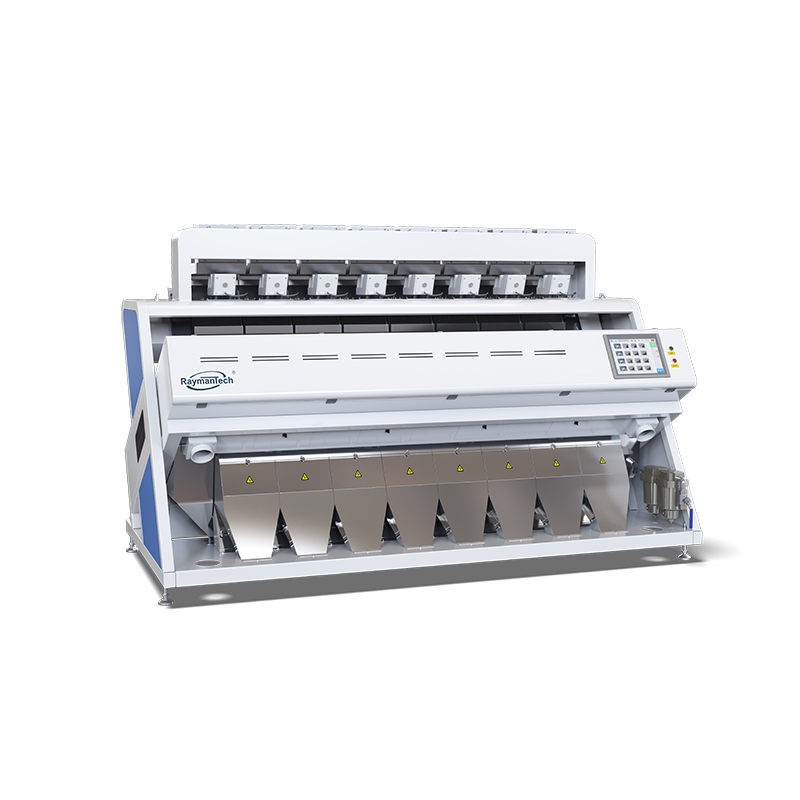
When product quality and uniformity are the top priorities, a camera-based optical sorter is the ideal choice. These systems use high-resolution cameras and sophisticated software to analyze the surface characteristics of every piece of kibble, ensuring a consistent and appealing final product.
A camera sorter's main function is to maintain strict quality standards for the pet food itself. It excels at identifying and ejecting kibble with visual defects. Advanced systems leverage AI-driven algorithms to learn and identify subtle variations that might otherwise be missed. Common quality issues a camera sorter can resolve include:
Color defects: Burnt, discolored, or undercooked pieces.
Shape and size irregularities: Broken, misshapen, or oversized kibble.
Clumps: Multiple pieces of kibble stuck together.
This technology ensures that every bag of pet food meets the brand's aesthetic standards, which consumers often associate with quality.
Camera sorters are highly effective at preventing cross-contamination, especially when a production line switches between different product recipes. For example, if a line changes from a chicken-based kibble to a salmon-based one, the sorter can identify and remove any leftover chicken kibble from the new batch.
The system detects deviations based on learned characteristics. High-performance compressed air valves then precisely remove any non-compliant kibble, ensuring product purity. 🎯
This capability is crucial for manufacturers producing specialized formulas, such as grain-free or specific protein diets, where ingredient integrity is paramount.
The primary limitation of a camera sorter is its reliance on surface-level inspection. It can only see what is on the outside of the kibble. It cannot detect foreign materials hidden or embedded within a piece of pet food. A camera will not find a shard of metal, a piece of glass, or a dense stone fragment that is not visible on the surface. For these internal hazards, manufacturers must rely on density-based detection systems like X-ray.
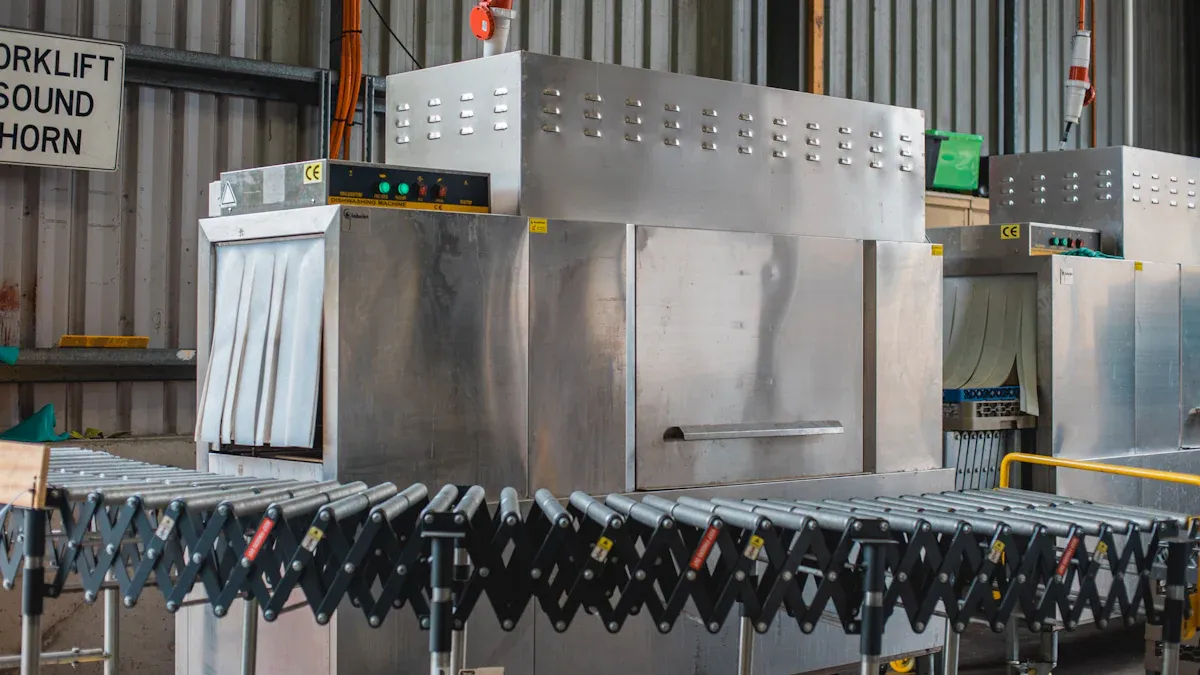
A laser sorter is the specialist manufacturers turn to when contaminants are too subtle for cameras and not dense enough for X-rays. This technology provides a sophisticated layer of protection by analyzing materials based on their unique structural composition, targeting some of the most difficult-to-find foreign materials.
The primary function of a laser sorter is to identify materials based on their inherent structural properties. The system uses lasers and sensors to look beyond simple color. It analyzes how different materials absorb and reflect specific light spectra. This allows the sorter to recognize an object’s unique physical fingerprint. For example, a laser can differentiate materials by detecting their unique light-scattering properties, allowing it to separate a foreign object from good product even if they look identical to the naked eye.
Laser sorters excel at finding low-density foreign materials that are invisible to X-ray systems and cameras. A camera cannot see a piece of clear plastic against light-colored kibble, and an X-ray system will miss a splinter of wood. The laser sorter overcomes these challenges with precision.
This technology is highly effective at removing contaminants that have a similar color but a different structure from the pet food. Key materials it can detect include:
Wood fragments and glue residue
Plastics (PVC, nylon, silicone)
Rubber
Stones or glass 🔎
This capability makes laser sorting an invaluable tool for premium pet food lines where product purity is non-negotiable.
Despite their advanced capabilities, laser sorters are not a one-size-fits-all solution. They are not designed to detect dense internal contaminants like metal or calcified bone, which remains the primary function of an X-ray system. Similarly, for basic quality control like removing burnt or misshapen kibble, a camera-based optical sorter is a more direct and cost-effective tool.
Beyond standard kibble, many pet food lines include specialized products that present unique sorting challenges. Raw ingredients and delicate items like freeze-dried treats require advanced optical sorting solutions to ensure safety and quality from the very start of the production process.
Effective sorting begins long before the final product is packaged. Raw ingredients are a primary entry point for dangerous contaminants. Mycotoxins, which are toxic compounds produced by fungi on grains, pose a significant health threat.
Mycotoxins like aflatoxins can cause severe liver damage and have been linked to pet deaths. Other common contaminants in raw ingredients include:
Pathogens such as Salmonella and Listeria
Pesticide residue on grains and vegetables
Materials from '4-D meats' (dead, diseased, dying, or disabled animals)
Optical sorters can inspect these raw materials, removing contaminated items before they ever enter the production mix.
Freeze-dried and dehydrated pet foods are increasingly popular but are fragile and prone to breakage. A specialized freeze dried pet food optical sorter uses gentle handling mechanisms to inspect these delicate products. This equipment excels at identifying color variations, size inconsistencies, and foreign materials without damaging the product's structure. The precision of a freeze dried pet food optical sorter ensures that only premium-quality pieces make it into the final package. For manufacturers of high-value treats, a freeze dried pet food optical sorter is an essential tool for maintaining brand standards.
For premium pet food lines, a single sorting stage is often insufficient. Manufacturers achieve the highest safety and quality standards by implementing a multi-stage sorting process. This strategy combines different technologies to address a wide range of risks. For example, an optical sorter can remove mycotoxin-affected grains at intake. Later, a camera sorter can ensure kibble uniformity post-extrusion. Finally, an X-ray system inspects the sealed package for dense contaminants. This comprehensive approach provides maximum risk mitigation and helps achieve removal efficiencies of up to 99%.
Choosing the right sorting technology involves more than just matching a machine to a contaminant. Manufacturers must also evaluate the financial investment, strategic placement, and overall return on investment (ROI). A thoughtful analysis of these factors ensures the chosen system delivers maximum value and protection.
The initial cost of a sorting system is a significant capital expenditure, but it represents only one part of the total financial picture. The true value emerges over the long term through risk mitigation, brand protection, and operational efficiency.
Initial costs vary widely based on the technology and its features. For example, X-ray systems have a broad price range depending on their capabilities.
Basic X-ray systems for standard applications can cost between $60,000 and $120,000.
Advanced systems with AI-driven automation and higher throughput can range from $150,000 to over $500,000.
While these figures seem high, the long-term value often dwarfs the initial investment. This value is calculated by considering both direct savings (like reduced labor) and powerful indirect benefits. Risk mitigation provides immense value by preventing costly quality failures and safety incidents. A single product recall can devastate a brand's reputation and finances. For instance, some medical device manufacturers using computer vision for quality inspection report annual savings of $18 million by reducing recalls. This highlights how preventing even one major incident delivers a massive return.
The long-term value of a sorter is not just in what it finds, but in what it prevents: recalls, consumer complaints, and damage to brand trust. 🛡️
The effectiveness of a sorter depends heavily on its position within the production line. Each location offers distinct advantages for targeting specific risks. Placing sorters at multiple stages creates a comprehensive safety net.
| Sorter Type | Ideal Placement | Primary Goal |
|---|---|---|
| Optical Sorter | Raw Material Intake | Removes mycotoxins, field debris, and other contaminants before they enter the mix. |
| Camera Sorter | Post-Extrusion / Drying | Ensures kibble quality by removing color, shape, and size defects. Prevents cross-contamination. |
| Laser Sorter | Post-Drying / Pre-Coating | Targets low-density foreign materials like plastic and wood that other systems miss. |
| X-Ray Sorter | End-of-Line (Final Package) | Acts as a final safety check to detect dense contaminants like metal, glass, and stone inside sealed bags. |
Strategically placing sorters at these critical control points allows manufacturers to address issues proactively, ensuring that problems are caught and corrected early in the process.
A key component of ROI is maximizing product yield. Every piece of good kibble that is mistakenly rejected—known as a "false reject"—is lost profit. Modern sorters are engineered to minimize this waste through advanced detection technologies.
Intelligent sorting systems use sophisticated algorithms to reduce false rejections. For example, some metal detectors use Multi-Simultaneous Frequency and adaptive signal processing to maintain high sensitivity without over-rejecting product due to moisture or packaging variations. This technology stabilizes the production process and protects yield.
AI-powered sorting is an emerging technology that further refines this process. These smart systems can identify early signs of spoilage or subtle defects with incredible accuracy, allowing for timely intervention that saves the rest of the batch. 🤖
By precisely targeting only true contaminants and defective products, these systems ensure that high-quality pet food ends up in the final package, not in the waste bin. This efficiency directly boosts the bottom line and contributes to a faster return on investment.
A multi-stage sorting strategy provides the most comprehensive protection. Manufacturers can combine a camera sorter for quality with an X-ray system for final safety checks. Integrating a laser sorter or a specialized freeze dried pet food optical sorter addresses unique risks, delivering the consistency and objectivity that protects products and brands.
Camera sorters offer a cost-effective solution for quality control. They address common visual defects like color and shape, making them an excellent starting point for smaller production lines.
No single sorter handles all tasks. X-rays find dense items, cameras check quality, and lasers detect unique materials. A combined approach offers the most complete protection for pet food.
Sorters boost ROI by preventing recalls and minimizing waste. This protects brand reputation and improves operational efficiency, delivering substantial long-term value beyond the initial investment.

We provide you with comprehensive foreign trade solutions to help enterprises achieve global development
Chicken bone inspection, global poultry AI databas...
Uneven and overlapped product detection, thin & lo...
Automatic recognition and rejection, fish bone ins...
Recommedation: Rice, wheat, corn, grain, pulses, s...
Select the most popular foreign trade service products to meet your diverse needs
Select the most popular foreign trade service products to meet your diverse needs







User Comments
Service Experience Sharing from Real Customers
James Wilson
Veterinary TechnicianThis optical sorter has been a game-changer for our freeze-dried raw food production. The precision in removing even the smallest foreign materials gives us immense confidence in product safety. Our quality rejection rates have dropped by 30%.
Sarah Chen
Production Line ManagerHighly efficient at sorting freeze-dried chunks by color and size. It significantly improved our batch consistency and reduced manual sorting labor. The learning curve for settings was a bit steep, but the results are worth it.
Robert Miller
Quality Assurance DirectorOutstanding performance in detecting and ejecting off-color or defective pieces in our premium freeze-dried dog food. The optical sorter's accuracy ensures only the highest quality product reaches packaging, protecting our brand reputation.
Amanda Garcia
Operations SupervisorReliable and fast. This sorter handles our high-volume freeze-dried cat food line effortlessly. The ability to customize sorting criteria for different recipes is fantastic. It's a critical piece of equipment for maintaining our safety and quality standards.